
Water Heater Anode Rod Replacement: When and Why It Matters
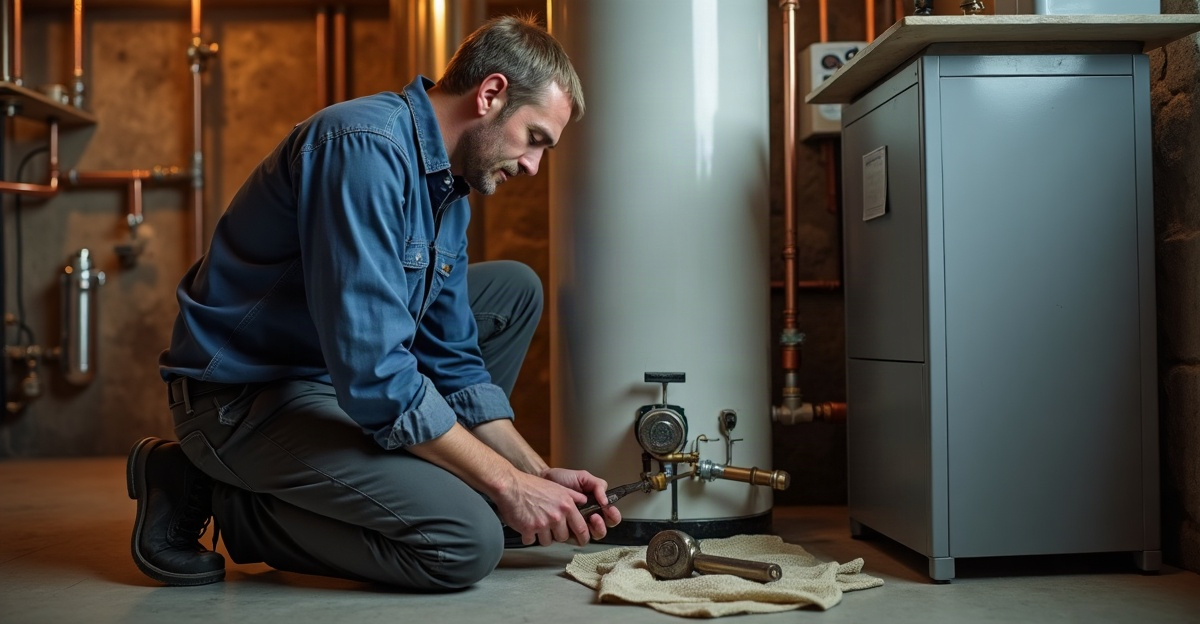
Water heater anode rod replacement protects a tank-style water heater from corrosion. We replace the sacrificial rod before it wears out completely. We recommend inspecting the rod every two to three years. Timely replacement can extend tank life. Leaks, heavy corrosion, or uncertain water-quality concerns need prompt professional evaluation.
Key Takeaways
- An anode rod corrodes before the steel tank. This action helps limit internal rust and early tank failure.
- Most systems need a replacement every three to five years. Water chemistry, softened water, household usage, and rod material can change this schedule.
- Rusty hot water, sulfur-like odors, and rumbling don’t always point to an anode rod issue. We evaluate the heater and local water conditions before recommending repairs.
- The replacement rod must fit the water heater and suit local water conditions. Magnesium, aluminum/zinc, and powered rods offer different benefits.
- A new rod can’t repair a leaking or heavily corroded tank. Urgent leaks, gas odors, electrical concerns, or pressure problems need fast professional service.
What an Anode Rod Does—and Why Replacing It Matters
An anode rod is a replaceable metal rod inside most tank-style water heaters that corrodes first to help protect the steel tank from rusting. This sacrificial anode rod is designed to wear away before the tank does.
The rod attracts corrosive activity in the water, helping slow damage to the tank’s steel lining. Once it becomes substantially depleted, the tank itself may become more vulnerable to corrosion. That makes water heater anode rod replacement an important part of long-term water heater corrosion prevention.
Sacrificial anode replacement is usually preventive maintenance, not an emergency repair. A new rod may slow future corrosion, but it cannot repair an already corroded or leaking tank. Regular inspection provides a practical way to assess tank condition before corrosion leads to premature failure.
For help with maintenance, repairs, and replacement decisions, we provide dependable water heating services based on the actual condition of the equipment.
When to Inspect or Replace a Water Heater Anode Rod
We recommend inspecting the anode rod approximately every two to three years. Replacement is often needed around three to five years, although that range is not a universal deadline. Some rods wear out sooner, while others last longer.
Water heater maintenance needs vary because several conditions affect rod life. Softened water can cause a rod to deplete faster. High household water use, water chemistry, tank temperature, and the rod material also matter. Manufacturer maintenance recommendations should guide the inspection schedule whenever available.
A Simple Maintenance Decision Guide
For a heater under three years old with no symptoms, we recommend reviewing the manufacturer’s maintenance guidance and planning an inspection based on local water conditions.
For a heater that is three to five or more years old with no prior inspection, scheduling an anode rod inspection is the sensible next step. Waiting for a leak or severe rust removes many of the benefits of preventive maintenance.
Odor, rust, or unusual water quality calls for an evaluation before assuming the anode rod is the source. A technician can check the heater, plumbing, sediment buildup, and water conditions.
A tank leak or severe corrosion requires prompt assessment. At that stage, water heater replacement may be more practical than maintenance. Our guide to repair versus replacement can help clarify the decision.
Signs Your Water Heater May Need an Anode Rod Inspection
A water heater anode rod inspection is worthwhile when a tank is several years old and has no known maintenance history. It also makes sense when an inspection reveals a heavily depleted anode rod or when visible corrosion appears around fittings and connections.
Rusty or discolored hot water deserves attention, especially when it appears only at hot-water fixtures. However, rusty water does not confirm an anode rod problem. It may come from aging plumbing pipes, tank corrosion, or another water quality issue. We explain common causes in our guide to brown hot water.
Rotten-egg or sulfur-like odors in hot water also need a proper diagnosis. The smell may involve bacteria, water chemistry, or interaction between the water and the anode rod. Changing the rod can help in some cases, but it is not the automatic answer.
Rumbling from the tank may indicate sediment buildup rather than anode rod wear. An older tank approaching the later portion of its expected service life also deserves a full evaluation. We can identify whether the concern involves the rod, tank condition, plumbing, sediment, or water quality before recommending work.
Choosing the Right Replacement Rod for Your Water Conditions
Several water heater anode rod options are available, and the right choice depends on the heater and its water conditions. Manufacturer compatibility should always come first.
- Magnesium anode rods are a common option and provide strong corrosion protection in many systems.
- Aluminum or aluminum/zinc anode rods may be considered where odor concerns or specific water chemistry conditions affect performance.
- Powered anode rods use an electrical current rather than a sacrificial metal rod and may be a suitable long-term option for certain compatible heaters.
No single rod type works best for every tank. Water chemistry, water softening equipment, odor concerns, heater design, available clearance, and manufacturer guidance all affect the decision.
For homes in Methuen, the Merrimack Valley, North Shore, and Southern New Hampshire, we can assess the heater, review visible conditions, and recommend a compatible replacement option. Our local service areas include communities where prompt, straightforward water heater support matters.
DIY Anode Rod Replacement vs. Professional Water Heater Service
DIY anode rod replacement can be possible for an experienced homeowner with the right tools and a clear understanding of the heater. The work may require shutting off electricity or gas, turning off the water supply, relieving pressure, handling hot water, and loosening a fitting that may be seized.
Manufacturer instructions and local code requirements must be followed. A rod may also be difficult to remove without damaging connections, especially on an older unit. Limited ceiling clearance can complicate removal because standard rods are often long.
We recommend professional water heater service when the unit is older, visibly corroded, difficult to access, or showing unclear symptoms. Professional help is also the safer choice when gas, electrical, or plumbing shutoffs are unfamiliar, or when active leaks and pressure problems are present.
Sacrificial anode replacement cost depends on heater access, rod type, rod condition, labor time, whether the fitting is seized, and any other issues found during the visit. We provide clear estimates based on the actual scope of work rather than promising a one-price solution. For broader pricing factors, see our overview of water heater repair costs.
When an Anode Rod Will Not Solve the Problem
A new anode rod cannot reverse internal tank damage or repair a leaking tank. A leaking tank body or seam generally requires water heater replacement rather than an anode rod replacement.
Water pooling around the heater needs prompt attention. The source may be a fitting, drain valve, pressure-relief valve, condensate issue, or tank failure. Our information on a water heater leaking from the bottom explains why quick assessment is important.
Pressure-relief valve discharge, no hot water, electrical concerns, gas odors, significant corrosion, an unstable installation, or a damaged gas vent also call for professional service. We offer emergency water heater service when urgent conditions need fast attention.
Common Anode Rod Questions
How often should a water heater anode rod be replaced?
We recommend inspecting the anode rod approximately every two to three years. Replacement is often needed around three to five years, depending on water conditions, usage, rod material, and manufacturer guidance.
Can a water heater operate without an anode rod?
It may still operate, but the tank can become more vulnerable to corrosion as the protective rod wears away.
Does a new anode rod fix rusty hot water?
Not always. Rust can come from the tank or plumbing pipes, so an evaluation is needed before deciding on a repair.
Can an anode rod cause a rotten-egg smell?
It can be part of the issue, but bacteria and water chemistry may also contribute to the odor.
Is it worth replacing an anode rod on an old water heater?
That depends on the condition of the tank. If the tank remains sound, maintenance may help extend service life. If corrosion is advanced, water heater installation or replacement may be the better investment. Our guide on water heater replacement timing covers what to expect.
What is the difference between magnesium and aluminum anode rods?
Selection depends on water conditions, odor concerns, equipment compatibility, and manufacturer guidance.
For homes in Methuen, the Merrimack Valley, North Shore, and Southern New Hampshire, we can schedule an inspection to determine whether the anode rod, tank condition, or water quality is causing the problem. Our qualified technicians provide honest recommendations and dependable water heater repair or replacement support.