
Water Heater Pilot Light Keeps Going Out: Causes and Warning Signs
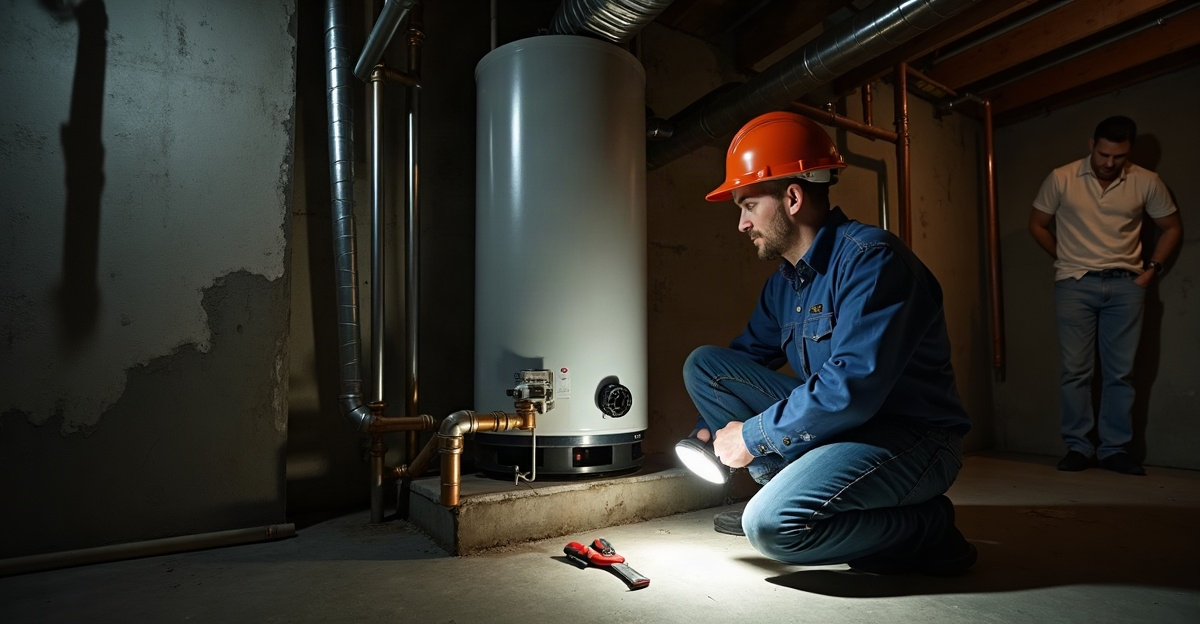
A water heater pilot light can go out when a safety sensor, weak flame, airflow issue, venting fault, gas supply concern, or control component stops safe operation. Repeated outages, lost hot water, soot, unusual odors, or a yellow, flickering flame call for prompt professional service. Any gas odor means we should leave the area at once and call for help from a safe location.
Key Takeaways
- A pilot that goes out once may reflect a temporary issue. Repeated outages, or a pilot that dies after we release the control knob, require professional service.
- Thermocouple faults, weak or dirty pilot flames, drafts, blocked airflow, venting issues, gas supply problems, and failing controls can cause pilot-light failures.
- We should not relight the water heater if we smell gas, hear hissing, or notice dizziness, nausea, soot, overheating, or unusual odors.
- Follow the manufacturer’s relighting instructions only when no gas odor or other safety concern exists. Avoid disassembling or adjusting gas, burner, or venting components.
- A qualified technician can safely test the pilot assembly, thermocouple, gas control valve, venting, combustion conditions, and gas supply.
Immediate Gas-Safety Warning: When to Leave the Area and Get Help
If we smell gas near a water heater, hear hissing near the appliance or gas line, or feel dizzy, nauseated, or unwell, we should leave the area immediately. We should not try to identify the source, relight the appliance, or take any part of the water heater apart.
Once outside and away from the building, contact the gas utility or emergency services from a safe location. Avoid flames, cigarettes, lighters, light switches, phones, doorbells, or other electronics near the suspected leak. A gas odor near a water heater is one of the most important water heater emergency warning signs.
Soot, unusual odors, popping sounds, overheating, or suspected venting problems also need prompt attention. These conditions can be associated with combustion or exhaust issues. Help is available, but gas-related concerns should always be handled by qualified professionals. For urgent heating and appliance concerns, our emergency HVAC services can help arrange the right next step.
A Pilot That Goes Out Once vs. One That Will Not Stay Lit
A pilot that goes out once may be related to an isolated event, such as a temporary draft or interruption. A water heater pilot light that keeps going out, or a pilot that will not remain lit when the control knob is released, needs professional evaluation.
This guidance applies to standing-pilot gas water heaters. Many newer models use electronic ignition and do not have a conventional pilot light. We should check the appliance label and owner’s manual before following any pilot-light guidance.
Repeated loss of hot water, a gas water heater not staying lit, or a pilot outage after windy weather or changes around the appliance area should not be ignored. These water heater pilot light problems may indicate an issue with the flame, a safety component, airflow, venting, or gas supply. One symptom alone cannot confirm the exact cause.
A water heater that repeatedly stops producing hot water can affect homes, rental properties, and small businesses quickly. Our guide on running out of hot water explains other common reasons a hot-water supply may become unreliable.
Common Reasons a Water Heater Pilot Light Keeps Going Out
A pilot light relies on several parts working together safely. We recommend professional diagnosis rather than replacing parts based on a guess.
Thermocouple and Pilot-Flame Problems
A thermocouple is a safety sensor that helps confirm the pilot flame is present before allowing gas flow to continue. A dirty, worn, loose, or failing thermocouple may stop the gas flow even after the pilot has been lit. Common water heater thermocouple symptoms include a pilot that lights while the knob is held down but dies as soon as the knob is released.
A weak pilot flame may not heat the thermocouple enough to keep the system operating. The flame can become weak, dirty, misdirected, or irregular if the pilot orifice or pilot assembly has buildup or damage. A faulty thermocouple water heater issue can look similar to a weak flame or another safety-control concern, so proper testing matters.
We should not clean internal burner components ourselves. Burner assemblies, pilot orifices, and safety sensors need correct handling and testing after service.
Airflow, Gas Supply, and Control Issues
Drafts, blocked combustion air, and water heater venting concerns can affect pilot operation. Cold-weather conditions in Massachusetts and Southern New Hampshire may change airflow around an appliance area. A pilot outage after wind or after storage items have been moved near the water heater may point to drafts, air restrictions, or venting concerns that need qualified assessment.
Gas-supply interruptions or low gas pressure may also affect the pilot and other gas appliances in the property. If several appliances show trouble, the gas supply should be considered as part of the evaluation.
The water heater gas control valve regulates gas flow to the appliance. A failing gas control valve or related safety-control component may cause a pilot light to keep going out. Older equipment can also develop several issues at once, making repair-versus-replacement decisions important. Our water heater repair or replacement guide can help clarify what technicians consider during that decision.
Warning Signs That Need Prompt Professional Evaluation
Repeated outages deserve faster attention, especially when the appliance shows changes in flame quality, soot, odors, or possible venting trouble.
A pilot light that goes out when releasing the knob may indicate a thermocouple, pilot-flame, gas-control, or related safety-control issue. It should be evaluated instead of repeatedly relit.
A healthy pilot flame is generally mostly blue. A yellow pilot flame water heater concern, flickering flame, weak flame, or irregular flame may indicate combustion concerns, though it does not confirm one specific problem without an inspection. Soot around the water heater burner or venting components can also be associated with combustion or venting problems.
Frequent loss of hot water is a practical sign that relighting alone has not fixed the issue. Unusual odors, popping sounds, or signs of overheating require us to stop using the appliance and get qualified guidance. If there is any gas-related concern, we should leave the area and call the gas utility or emergency services from a safe location.
A pilot that fails after windy conditions or changes around the appliance area may be affected by airflow restrictions, drafts, or venting concerns. Vent pipes, combustion air, and gas appliances require trained evaluation. We should never adjust venting or gas components without proper qualifications.
What We Can Safely Check Before Calling
Basic visual checks can help us describe the problem clearly, but safety comes first. If there is any gas odor, we should not relight the unit. Leave the area and contact the gas utility or emergency services from a safe location.
We can read the manufacturer water heater relighting instructions printed on the appliance or listed in the owner’s manual. Lighting steps vary by model, so there is no universal procedure that fits every water heater. Can we relight a water heater pilot light ourselves? Only if there is no gas odor or safety concern and the manufacturer specifically provides approved instructions for that model.
We can also make sure the area around the water heater is clear of stored belongings, flammable items, and materials that could block airflow. Note any obvious drafts, recent construction or storage changes, visible soot, or changes near the venting components.
If it is safe to observe the flame without touching internal parts, we can note whether it appears mostly blue, weak, flickering, yellow, or irregular. These safe water heater pilot light checks give a technician useful information.
We should not disassemble or clean burner components, alter gas lines, remove or bypass a thermocouple, adjust the gas valve, repair venting, or attempt ignition over and over. Manufacturer-approved relighting and basic visual observations are the appropriate limits for homeowner DIY action.
When to Call a Qualified Water Heater Repair Technician
We recommend service if a gas water heater pilot will not stay lit, repeatedly goes out, produces no hot water, or shows soot, unusual flame behavior, suspected gas-supply issues, or water heater venting concerns. A qualified, properly licensed gas-appliance, plumbing, or heating professional should diagnose and repair the unit according to local requirements.
A trained technician can test the thermocouple, pilot assembly, gas control valve, combustion conditions, venting, and gas supply safely. That process avoids guessing from symptoms and supports clear repair recommendations. Our water heater repair services focus on transparent assessment, practical options, and dependable work.
For homeowners, landlords, property managers, and small business owners in Methuen, Massachusetts, the North Shore, Merrimack Valley, and Southern New Hampshire: if a gas water heater pilot will not stay lit or there is soot, unusual flame behavior, or a gas-related concern, schedule an assessment with a qualified local technician. We serve communities across our local service areas.
Common Pilot-Light Questions
Why does a water heater pilot light go out repeatedly? The cause may involve a faulty thermocouple, weak pilot flame, dirty pilot assembly, airflow issue, venting concern, gas-supply problem, or failing control component. A technician should test the system to identify the cause.
Can we relight the pilot ourselves? We can follow the exact manufacturer instructions only when there is no gas odor, soot concern, overheating, or suspected venting problem. If relighting fails or the pilot goes out again, call for service.
Why does the pilot go out when we release the knob? This often points to a safety sensor or flame-related issue, but it can also be associated with the gas control valve or other safety controls.
Is a yellow pilot flame dangerous? An unusual flame should be evaluated promptly. Yellow coloring may indicate combustion concerns, but an inspection is needed to confirm the problem.
Should we call for service if we smell gas near the water heater? Yes. Leave immediately, avoid electronics and flames nearby, and contact the gas utility or emergency services from a safe location.
Does every gas water heater have a pilot light? No. Many newer gas water heaters use electronic ignition. The appliance label and owner’s manual can confirm the ignition type.
For guidance on selecting the right repair professional, review who to call for water heater repair. We can also explain expected service considerations through our guide to water heater repair costs.