
How Long Does It Take to Replace a Water Heater?
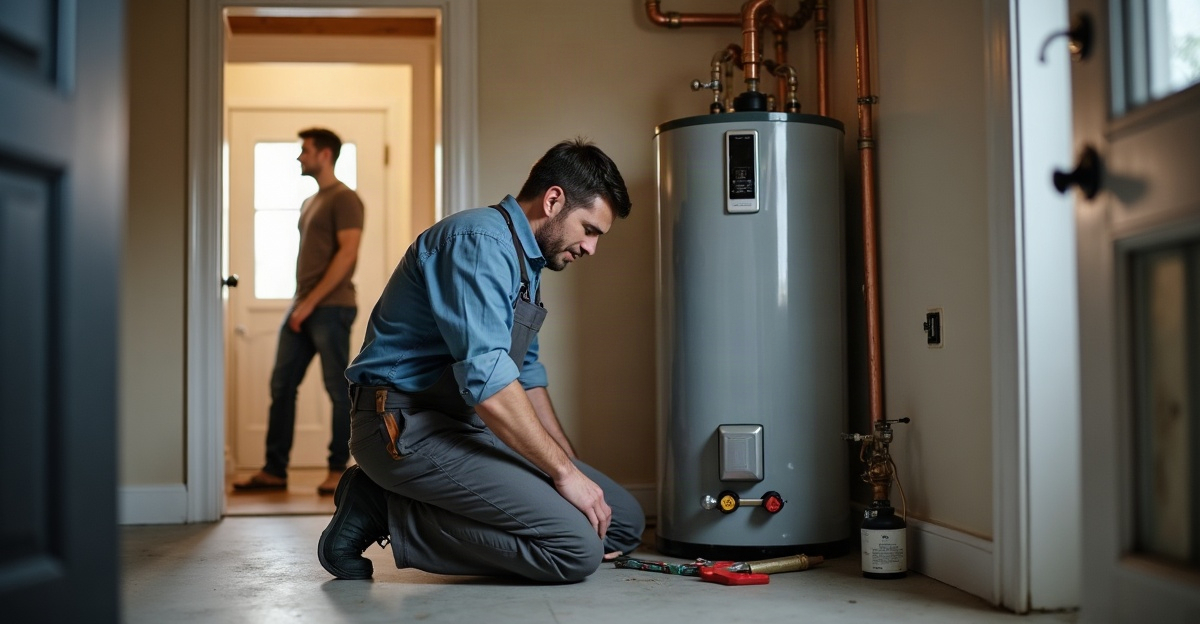
Most like-for-like water heater replacements take two to four hours. Conversions, code updates, limited access, or special-order equipment can extend the work and leave us without hot water longer.
Key Takeaways
- A standard tank-to-tank replacement in the same location usually takes two to four hours if we have the correct unit on site.
- Hot-water downtime may last longer because a new tank needs 30 minutes to several hours to heat its stored water.
- Tankless conversions often take most of a day. Gas, electrical, venting, plumbing, or drainage upgrades may also require a follow-up visit.
- Permits, inspections, access limits, and necessary safety corrections can affect the schedule and cost.
- For leaks, standing water, or no hot water, we should arrange professional service quickly. If we smell gas, we should leave the area and contact the gas utility or emergency services.
The Short Answer: Most Standard Replacements Take Two to Four Hours
Most like-for-like tank water-heater replacements take about two to four hours once the correctly sized unit and a qualified technician are on site. A like-for-like replacement means we install a similar tank-style unit in the same location with compatible plumbing, fuel source, electrical connections, and venting.
So, how long does it take to replace a water heater? The answer depends on the existing installation. A straightforward replacement often fits within a few hours. A conversion, difficult access route, code correction, special-order unit, or major plumbing, gas, electrical, or venting update can extend the work through most of the day or require a return visit.
If the water heater leaks, has stopped producing hot water, or appears ready for replacement, we recommend contacting a qualified local professional to confirm the right unit and realistic timeline for the property. Our water-heater services help property owners move from diagnosis to a safe replacement plan without guesswork.
When to Call for Prompt Help: Leaks, Gas Smells, and No Hot Water
Active leaking, pooling water, a burst tank, severe corrosion, or water damage near the appliance needs prompt attention. A complete loss of hot water can also disrupt a business, rental property, or multi-unit building, especially where several occupants depend on one system.
Water heaters are plumbing appliances, but their replacement can involve gas piping, electrical wiring, venting, pressure-relief components, and local code requirements. We don’t recommend disconnecting or installing a water heater without proper training and licensing.
For an active water leak, shut off the water supply only if it is safe to do so, then contact a qualified plumbing professional. Our guide on water-heater repair in Massachusetts explains who can assess the problem and recommend the next step.
A gas odor calls for a different response. Leave the area, avoid light switches, flames, vehicles, and anything that could create a spark. Then contact the gas utility or emergency services as appropriate. Property owners who are unsure whether a situation needs immediate action can review common emergency warning signs and arrange prompt professional help.
Installation Time Is Not the Same as Total Time Without Hot Water
The physical replacement may take two to four hours, but the full interruption to hot-water service can last longer. Diagnosis, unit selection, equipment availability, scheduling, permits, inspections, and heat-up time all affect the total timeline.
The correct size, fuel type, efficiency level, and venting-compatible model may be available immediately. In other cases, the proper unit needs to be ordered. That wait happens before installation begins, but it still matters when hot water is unavailable.
After installation, a tank-style water heater needs time to heat its stored water. Recovery often takes roughly 30 minutes to a few hours, depending on tank size, energy source, incoming water temperature, and thermostat setting. A tankless unit can provide hot water after proper startup, but its installation may take longer if gas, electrical, venting, or drainage upgrades are necessary.
Repeatedly running out of hot water doesn’t always mean the tank has failed. Our article on fast hot-water loss can help identify whether a repair, adjustment, or replacement makes sense.
What Can Make a Water-Heater Replacement Faster or Slower?
A standard tank-to-tank replacement usually moves faster than changing the tank size, fuel source, appliance location, or water-heater type. Before we set a timeline, we inspect the full installation rather than focusing only on the old tank.
Access can add time. Basement stairs, crawl spaces, closets, tight utility rooms, and multi-unit buildings may make removal and placement more involved. Safe removal and responsible disposal of the old unit are also part of the overall job.
Existing connections can change the scope as well. A replacement may need gas-line sizing work, a new shutoff valve, electrical circuit changes, a disconnect, venting updates, or condensate drainage. Gas equipment must vent combustion gases safely outdoors. Some high-efficiency and tankless systems also produce condensate that needs proper drainage.
We also look for plumbing and safety corrections, including corroded connections, damaged water lines, missing drain pans, expansion-tank needs, and pressure-relief valve issues. An expansion tank helps manage pressure changes in a closed water system.
Labor time and total cost vary with the replacement unit, access, disposal, permits, code updates, plumbing repairs, gas, electrical, or venting work, and whether the project is a direct replacement or conversion. For repair-related budgeting before deciding on replacement, see water-heater repair cost factors.
Tank, Tankless, and Conversion Timelines Compared
Standard Tank Replacement
A standard tank replacement is often the most efficient option when we replace a similar unit in the same location. With compatible connections and a properly sized unit on site, this work commonly takes about two to four hours.
Gas, electric, heat-pump, and indirect water-heater configurations can change that timing. Each uses different connections, controls, and installation requirements. We confirm these details before committing to a schedule.
Tankless Replacement and Tank-to-Tankless Conversion
Replacing an existing compatible tankless unit may be relatively efficient, but the timeline depends on venting, gas capacity, electrical requirements, condensate drainage, and the condition of existing connections.
A tank-to-tankless conversion often takes most of a day or requires a follow-up visit. It may require upgrades to gas capacity, electrical service, venting, condensate management, plumbing, and water lines. For properties considering this change, our tankless water-heater installation services provide a practical assessment of the equipment and infrastructure needed.
What Happens on Replacement Day, Including Permits and Final Checks
On replacement day, we first assess the existing setup and confirm the replacement unit. Next, we shut off the applicable water, gas, or electrical supply, drain the old tank, and remove it from the property. We place and connect the new equipment, complete necessary safety or code updates, test the system, clean the work area, and review basic operation and maintenance recommendations.
Testing may include checks for water connections, gas safety, electrical operation, and venting safety, depending on the appliance. Venting moves combustion gases safely outdoors. A permit is local authorization that may be required before or during certain work, and an inspection confirms that applicable work meets local requirements.
Permit and inspection rules may differ across Methuen, Massachusetts, the Merrimack Valley, North Shore, Southern New Hampshire, and individual municipalities. We verify what applies to the property, appliance type, and project scope before work moves forward. Our experienced water-heater technicians explain the findings clearly and recommend only the work needed for a safe installation.
Common Replacement-Day Questions
Can a water heater be replaced the same day? Often, yes, if the right unit is available and the installation is straightforward. Complicated upgrades, permits, difficult access, or special-order equipment may extend the schedule.
How long will we be without hot water during replacement? The replacement work may take a few hours, followed by tank recovery time. Total downtime depends on the unit, installation conditions, and whether additional work is needed.
How long does a new water heater take to heat up? A new tank often needs 30 minutes to a few hours to heat stored water. Tankless equipment can supply hot water after correct installation and startup.
Does replacing a water heater require a permit? It may. Local rules vary, so we confirm requirements before starting work.
Is replacing a tankless water heater faster than replacing a tank water heater? It can be, when the existing tankless setup is compatible and in good condition. A tankless conversion usually takes longer than a direct tank replacement.
Can we use water while the water heater is being replaced? Cold-water use may be possible in some properties, but we recommend limiting water use during the work so our technicians can isolate lines safely and complete testing without interruption.
What should we do if the water heater is leaking? Shut off the water supply if it is safe, protect nearby items from water damage, and arrange prompt service. Our guide to water-heater repair versus replacement can help clarify what a technician may look for during the inspection.