
Electric Furnace vs Gas Furnace: Which Is Better for Your Home?
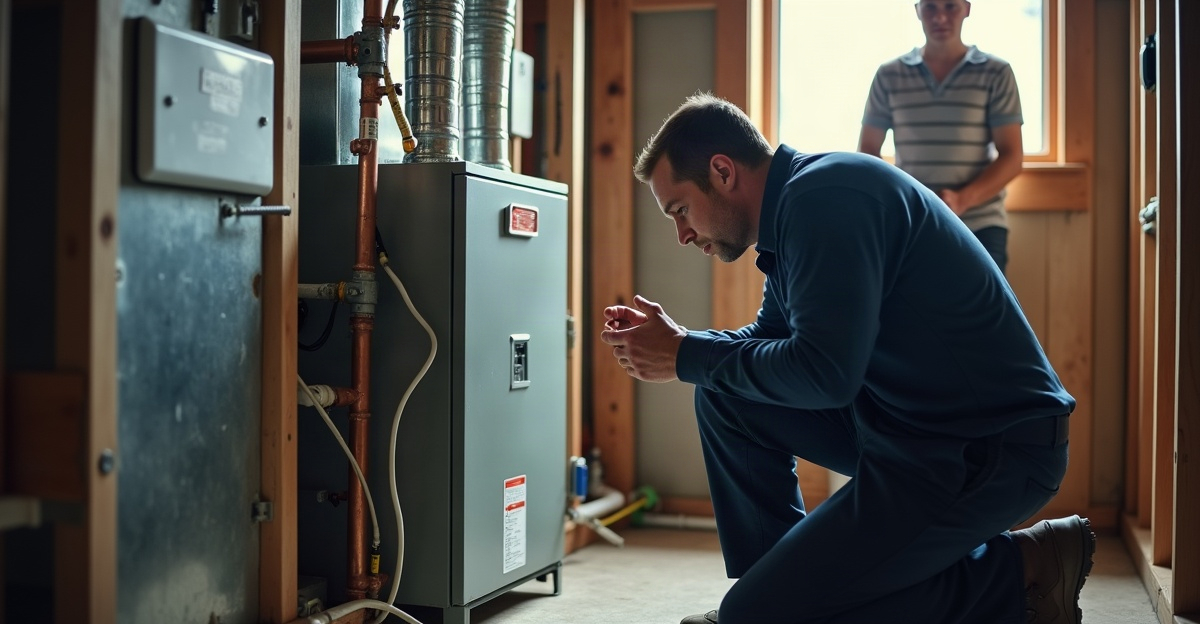
Choosing between an electric furnace and a gas furnace depends on fuel access, local energy rates, electrical capacity, and the condition of our ducts and insulation. Gas furnaces often cost less to operate where natural gas is available. Electric furnaces can offer simpler installation in properties with adequate electrical service and no gas connection.
Key Takeaways
- Compare total ownership costs, including installation, utility use, maintenance, repairs, permits, venting, and required electrical or gas-line upgrades.
- Gas furnaces typically deliver warmer supply air and heat spaces faster. They also require safe combustion, proper venting, and working carbon monoxide detectors.
- Electric furnaces convert electricity to heat efficiently inside the home. Still, they may cost more to operate during cold Massachusetts and Southern New Hampshire winters because electricity rates can exceed gas rates.
- Proper sizing requires a Manual J load calculation. Sound ductwork and effective insulation also support dependable comfort with either system.
- A professional evaluation can verify fuel availability, panel capacity, duct condition, safety requirements, and the most practical system for our property.
The Quick Answer: Which Furnace Is Usually Better?
Gas furnaces often cost less to run where utility natural gas is available. Electric furnaces can be simpler and less expensive to install in homes with adequate electrical capacity and no gas service.
The electric furnace versus gas furnace decision depends on the property, local energy rates, fuel access, insulation, ductwork, equipment sizing, and needed upgrades. In Massachusetts and Southern New Hampshire, cold winters, older construction, aging ducts, and uneven insulation can shift the best choice from one home to the next.
| Factor | Gas Furnace | Electric Furnace |
|---|---|---|
| Upfront installation | May require gas piping, venting, permits, and chimney work. | May have a simpler installation if electrical capacity is already available. |
| Operating-cost factors | Often lower where natural gas rates are favorable. | Depends heavily on local electricity rates and winter heating demand. |
| Efficiency | Measured by AFUE, which shows how much fuel becomes usable seasonal heat. | Nearly 100% efficient at the point where it creates heat. |
| Comfort and heat delivery | Usually delivers warmer air and can heat rooms quickly. | Provides steady heat, though supply air may feel less warm. |
| Maintenance | Needs combustion, venting, airflow, and safety inspections. | Needs checks of wiring, breakers, airflow, controls, and heating elements. |
| Safety | Requires proper combustion, venting, and working carbon monoxide detectors. | Has no on-site combustion, but requires correctly sized electrical components. |
| Lifespan and repairs | Repair needs can involve burners, igniters, heat exchangers, controls, and venting. | Repair needs can involve elements, relays, sequencers, wiring, and controls. |
| Infrastructure | Needs natural gas access or another approved fuel source, plus venting. | Needs sufficient electrical panel capacity, breakers, and wiring. |
| Best fit | Homes with existing natural gas and a priority on lower heating costs. | Homes without gas access or owners who prefer no on-site combustion. |
A gas versus electric furnace comparison must separate electric resistance furnaces from heat pumps. Both use electricity, but a heat pump moves heat rather than creating it with resistance elements. That difference can affect operating cost, cold-weather performance, and available incentives. Review heat pump versus furnace options separately before deciding.
What We Will Pay to Install and Run Each Furnace
Electric furnace installation cost may be lower in some homes because electric equipment does not need gas piping or combustion venting. That advantage holds only if the electrical panel, breakers, service capacity, and wiring can support the new unit. A panel upgrade can change both the price and project timeline.
Gas furnaces often offer a lower gas furnace operating cost where natural gas is already available. Still, gas versus electric heating costs depend on current utility rates, furnace efficiency, home heat loss, thermostat habits, and how much heat the property needs during winter.
We recommend comparing long-term furnace ownership cost instead of choosing based on equipment price alone. Include installation, energy use, maintenance, likely repairs, expected service life, ductwork work, venting, electrical upgrades, and fuel access. Broad price ranges are estimates only. Local project pricing varies by capacity, brand, efficiency rating, permits, labor, gas-line work, chimney liners, and duct condition.
Utility rebates, tax credits, and local incentives may reduce the final cost. Programs and eligibility can change, so we should confirm current options with the applicable utility, program administrator, or HVAC professional. If heating bills are already difficult to manage, review common causes of a high heating bill before replacing equipment.
Efficiency, Comfort, Reliability, and Safety in a Northeastern Winter
Gas furnace AFUE means Annual Fuel Utilization Efficiency. In simple terms, it shows how much of the fuel used over a heating season becomes usable heat for the home. A higher AFUE means less fuel is lost during the heating process.
Electric furnace efficiency is nearly 100% at the point of use. Almost all electricity entering the furnace becomes heat indoors. That does not automatically mean lower utility bills. Electricity can cost more per unit of heat than natural gas, especially during a cold Massachusetts or Southern New Hampshire winter.
Gas systems usually deliver warmer supply air and may bring a cold home up to temperature faster. Electric units can provide dependable heat, but can cost more to operate depending on electricity pricing. Correct furnace sizing, insulation, air sealing, thermostat settings, and ductwork condition have a major effect on comfort with either option.
Gas furnace safety relies on proper installation and ongoing care. We inspect combustion, venting, gas connections, airflow, and safety controls, and every home with fuel-burning equipment needs working carbon monoxide detectors. Electric furnace safety requires properly sized wiring, breakers, connections, and regular inspection of heating elements and controls. Neither system is inherently unsafe when installed correctly and maintained properly.
Gas furnace versus electric furnace maintenance differs, but both systems need professional attention. Gas units need combustion and venting checks. Electric units need electrical component, airflow, and heating-element checks. Expected furnace lifespan also depends on maintenance, runtime, sizing, installation quality, and repair history. For planning guidance, see how long furnaces last.
Fuel Access and Home Upgrades That Can Change the Project Cost
Natural gas is not available at every property in the Merrimack Valley, North Shore, or Southern New Hampshire. Propane is different from utility natural gas. It has separate pricing, storage, delivery, and equipment requirements, so a propane versus natural gas furnace comparison needs a full cost review.
A switch from electric to gas furnace can require a new gas line for furnace equipment, a meter connection, approved venting, or a chimney liner. An oil-to-gas furnace conversion may also involve removing or modifying existing equipment and addressing oil-related components.
Replacing a gas furnace with an electric furnace can require enough electrical panel capacity for electric furnace operation. If the existing panel cannot support the load, we may need new breakers, wiring, service upgrades, or a panel replacement. Those requirements can outweigh a lower equipment price.
Existing ductwork deserves the same attention as the furnace. Leaky, undersized, poorly routed, or damaged ducts can cause uneven temperatures, noise, poor airflow, and unnecessary energy use. We review ducts before recommending either fuel type. Permits and inspections also affect the schedule and final project scope.
How to Choose the Right Furnace for Your Property
A Manual J load calculation gives us a clear picture of how much heat a home actually needs. This professional review considers home size, layout, insulation, windows, air leaks, orientation, and other property-specific details. Proper furnace sizing matters because oversized and undersized systems can cause uneven rooms, short cycling, excess energy use, comfort concerns, and early equipment wear.
A gas furnace may be the better fit if natural gas already serves the property, compatible ducts are in place, and lower operating costs are a priority. An electric furnace may make sense where gas is unavailable, gas infrastructure would be extensive, the electrical system has sufficient capacity, or avoiding on-site combustion matters most.
For oil or propane homes, compare complete conversion costs rather than the equipment alone. Consider venting, fuel storage changes, gas access, electrical needs, ductwork, and long-term utility spending. Rental properties and small commercial spaces should also factor in uptime, maintenance responsibility, occupant comfort, budget, and future repair access.
A failing system in cold weather needs a practical review of age, safety, repair cost, parts availability, and replacement feasibility. Our furnace repair versus replacement guide can help frame that decision.
Questions to Ask Before Choosing
Use these questions as a starting point for a heating system evaluation, not as a replacement for an in-home assessment.
- Is natural gas available at the property?
- What are the current local gas, propane, and electricity rates?
- Does the electrical panel have adequate capacity?
- Will the home need venting, a chimney liner, or gas-line work?
- Is the ductwork correctly sized, sealed, and in good condition?
- What does the Manual J load calculation show?
- What will total ownership cost look like over the expected equipment life?
- Are current rebates, tax credits, or local incentives available?
Common Questions and When to Schedule a Professional Evaluation
Is a gas furnace cheaper to run than an electric furnace?
Often, yes, where utility natural gas is available at favorable rates. The actual answer depends on local energy prices, efficiency, weather, insulation, and heating demand.
Is an electric furnace safer than a gas furnace?
Electric equipment does not create on-site combustion or carbon monoxide. Gas equipment can operate safely with proper installation, venting, maintenance, and carbon monoxide detectors. Both require professional installation and routine service.
Can we replace a gas furnace with an electric furnace?
Yes, if the home has sufficient electrical service, panel capacity, breakers, and wiring. We should also confirm that the duct system and equipment size match the property’s heating load.
Can we switch from electric heat or oil heat to a gas furnace?
Yes, if natural gas access, piping, venting, permits, and compatible ductwork are available or can be added. Conversion work may be substantial, so a complete project estimate is essential.
How long do gas and electric furnaces last?
Service life varies by installation quality, maintenance, runtime, sizing, and repair history. Age alone does not decide replacement, but frequent repairs and safety concerns deserve prompt attention. Review signs to replace a furnace before committing to another major repair.
Do electric furnaces work well in Massachusetts winters?
They can provide reliable heat when sized and installed correctly. Their electric furnace operating cost may be higher during long cold periods, depending on electricity rates and the home’s heat loss.
Should we consider a heat pump instead of an electric furnace?
Yes. A heat pump is not interchangeable with electric resistance heat, so we should compare cold-weather performance, operating costs, incentives, backup heat needs, and the property’s electrical capacity separately.
Homeowners, landlords, and business owners can request a clear, property-specific heating system evaluation for a replacement, fuel conversion, or comfort concern. We provide transparent recommendations for Methuen, the North Shore, Merrimack Valley, and Southern New Hampshire. For local help, see our Methuen HVAC services.
If a furnace has stopped working, request emergency furnace repair promptly. We will assess the failure, confirm safe repair options, and explain replacement choices when repair no longer makes practical sense.