
How Long Does a Furnace Last?
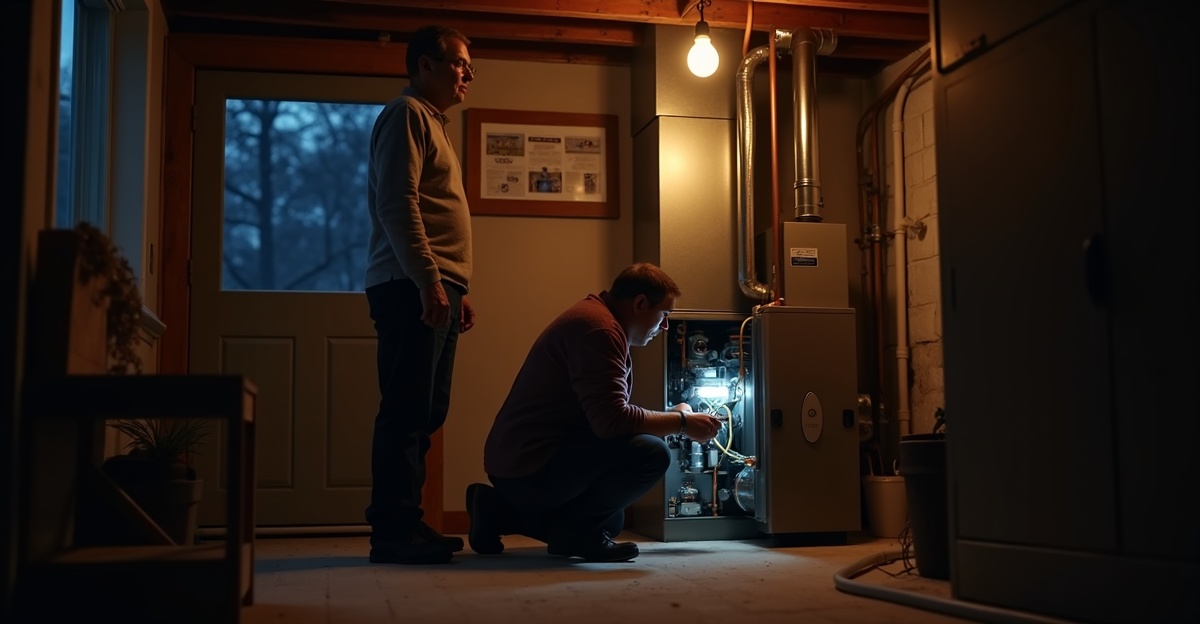
Many homeowners ask how long does a furnace last, and in Massachusetts and Southern New Hampshire we typically see 15 to 20 years. With consistent annual maintenance, systems can run 20 years or longer. Long heating seasons, installation quality, and ongoing service directly affect whether a furnace reaches its full lifespan or starts declining closer to 12–15 years.
Key Takeaways
- A standard gas furnace typically lasts 15–20 years, and well-maintained systems can exceed 20 years.
- Skipping annual maintenance, harsh winters, and poor installation can shorten lifespan to 12–15 years.
- Regular inspections, clean filters, and timely part replacements help extend system reliability.
- Warning signs like frequent repairs, rising energy bills, uneven heat, and unusual noises signal a furnace may be nearing the end.
- If a system is over 15 years old, we recommend a professional inspection so we can decide calmly between repair and replacement with clear pricing.
What Most Homeowners Can Expect From Their Furnace
A standard gas furnace typically lasts 15–20 years. Well-maintained, high-quality systems can run 20+ years, while poorly maintained or heavily used units may start declining around 12–15 years.
Many homeowners ask how long does a furnace last, or how long does a furnace last on average. The honest answer depends on usage and care. In Methuen, MA, the Merrimack Valley, and Southern New Hampshire, furnaces often run from October through April. That long heating season puts steady wear on internal components. Without routine service, that extra strain can shorten lifespan.
Age alone doesn’t decide reliability. We regularly see systems at 17 or 18 years old still heating safely because they’ve been maintained properly. With the right inspections and timely repairs, many furnaces continue working dependably well beyond expectations.
If a system is over 15 years old and there’s uncertainty about its condition, scheduling a professional inspection gives clear answers and transparent pricing. A simple evaluation today can prevent mid-winter stress later.
How Long Does a Gas Furnace Last in Massachusetts and New Hampshire?
Gas furnaces are the most common heating systems in homes across Massachusetts and Southern New Hampshire. So how long does a gas furnace last in this region?
In realistic local conditions:
- 15–20 years is typical.
- 20+ years is possible with annual maintenance.
- 12–15 years is common for systems that skipped service or worked through especially harsh winters.
Extended heating seasons increase wear on burners, heat exchangers, ignitors, and blower motors. Systems cycle more often during January and February cold snaps. Over time, that repetition adds up.
Still, aging doesn’t automatically mean failure. Many older units simply need targeted repairs to continue operating safely. Replacing parts like flame sensors, capacitors, or blower motors can extend usable life without requiring a full system replacement. The key is catching issues early and keeping up with maintenance.
What Impacts Furnace Lifespan the Most?
Several practical factors affect how long a furnace continues to run safely and efficiently. The most important include:
- Annual maintenance and filter changes.
- Installation quality.
- Furnace size relative to home.
- Frequency of winter usage.
- Thermostat habits.
- Indoor air quality and duct condition.
Annual service is one of the biggest factors. Skipped maintenance allows small issues to grow into expensive breakdowns. Dirty filters restrict airflow, forcing the blower and heat exchanger to work harder than they should. We explain recommended service timing in how often a furnace should be serviced.
Installation quality also matters more than brand name. A top-tier furnace installed incorrectly won’t last as long as a properly sized, correctly installed mid-range unit. Oversized systems short-cycle. Undersized systems overwork. Both situations reduce lifespan.
In many older North Shore and Merrimack Valley homes, aging ductwork and limited insulation increase strain. Leaky ducts force the furnace to run longer to maintain temperature. Poor indoor air quality accelerates wear on internal components.
Consistent professional care keeps systems performing at their best. Homeowners can learn what to expect during an appointment by reviewing what happens during a furnace inspection. For ongoing support, we provide complete heating services with clear pricing and dependable scheduling.
Warning Signs Your Furnace May Be Nearing the End
A furnace rarely stops without warning. Most systems show patterns before major failure.
Common signs include:
- Frequent repairs.
- Rising energy bills.
- Uneven heating or cold spots.
- Loud or unusual noises.
- Yellow pilot light (for gas systems).
- System cycling on and off frequently.
If repair visits are becoming yearly—or even multiple times per season—it’s time to compare long-term costs. Rising utility bills often signal declining efficiency. Uneven temperatures may indicate airflow or heat exchanger issues. A yellow pilot light on gas systems can signal combustion problems that need immediate attention.
Year-round homeowners often review the signs of a failing furnace to better understand these symptoms.
During a cold snap, waiting isn’t an option. If heat shuts down unexpectedly, we provide 24/7 emergency HVAC services to restore warmth quickly and safely through our emergency HVAC services.
Repair or Replace? A Simple Decision Framework
The right decision depends on a few clear factors.
First is age. Once a system passes 15 years, it enters the later stage of its expected lifespan. Repairs may still make sense, but major component failures become more common.
Next is repair cost. As a practical rule, if a major repair approaches a significant percentage of replacement cost, replacement may be the better long-term investment. Replacing a cracked heat exchanger or handling repeated gas-related issues also raises safety concerns.
Modern furnaces operate at much higher efficiency levels than systems installed 20 years ago. While exact savings vary, improved efficiency can lower monthly heating costs over time. New systems also provide quieter operation and more consistent comfort.
Planning ahead avoids emergency replacements in January. Scheduling an estimate before peak season allows time to evaluate options calmly. Homeowners with aging systems often benefit from reading how to know if a furnace needs repair or replacement for added clarity.
We provide honest recommendations, straightforward pricing, and no-pressure evaluations. If a repair safely extends life, we’ll say so. If replacement makes more financial sense, we’ll explain why in plain language.
Common Questions About Furnace Lifespan
How long does a furnace usually last in Massachusetts?
Most furnaces in Massachusetts last between 15 and 20 years. Heavy winter usage can shorten that range without consistent maintenance, but many systems exceed 20 years with proper care.
How long does a gas furnace last with regular maintenance?
With annual service and timely repairs, a gas furnace can last 20+ years. Clean components, proper airflow, and safe combustion checks make a significant difference over time.
Can a furnace last 30 years?
It’s possible, but rare. At 30 years, efficiency typically declines and repair frequency increases. Even if the system still runs, it often costs more to operate and maintain than a newer model.
Is it worth repairing a 20-year-old furnace?
It depends on the issue. Minor repairs may be reasonable. Major component failures often make replacement the smarter investment. Homeowners facing this decision often review guidance on whether to repair a 15-year-old furnace to compare repair and replacement costs more confidently.
If there’s uncertainty about a system’s condition, a quick local inspection provides clear options and practical next steps. With the right information, planning becomes simple and stress stays low.