
Your Essential HVAC Maintenance Checklist for Every Season
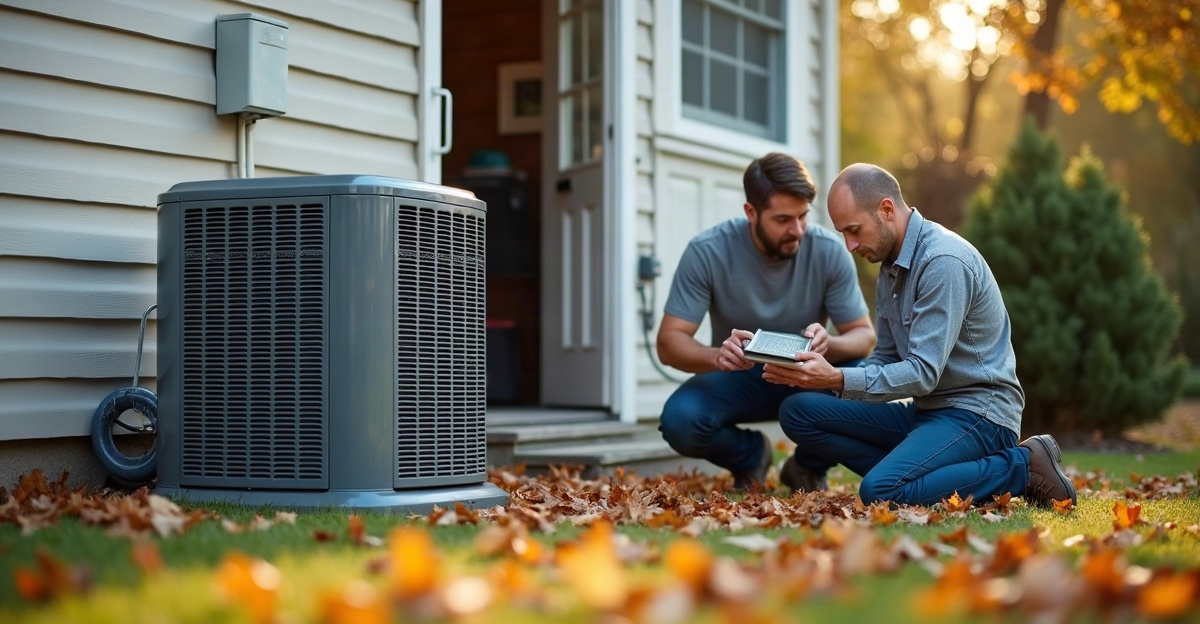
A seasonal HVAC maintenance checklist helps us protect heating and cooling equipment. We check filters, airflow, thermostat settings, and outdoor units before extreme weather arrives. The checklist also shows when a routine issue becomes urgent. Urgent concerns include gas odors, carbon monoxide alarms, electrical problems, water near equipment, and lost heating or cooling during dangerous weather.
Key Takeaways
- Check air filters regularly, keep vents and return grilles clear, and watch for weak airflow, uneven temperatures, unusual noises, odors, or frequent cycling.
- Schedule cooling service in spring and heating service in fall. Professional technicians can complete advanced checks before peak summer heat or winter cold.
- Keep outdoor AC, heat pump, and packaged units clear of leaves, grass, snow, ice, and stored items. Follow the manufacturer’s clearance guidelines.
- Test thermostat operation each season and maintain smoke and carbon monoxide alarms according to manufacturer instructions.
- Leave the building and contact emergency services or the gas utility if we suspect a gas leak or carbon monoxide issue. Request prompt professional service for burning smells, sparks, repeated breaker trips, or an urgent loss of heating or cooling.
When HVAC Maintenance Becomes an Urgent Call
Some HVAC warning signs need immediate action, not a maintenance appointment. We treat a gas smell, a carbon monoxide alarm, smoke or burning odors, sparking, repeated breaker trips, water near electrical equipment, and sudden system failure as urgent concerns.
For a suspected gas leak HVAC issue or carbon monoxide concern, everyone should leave the building immediately. Contact emergency services or the gas utility as appropriate, then call for qualified help once the area is safe. Never search for the leak, restart equipment, or stay inside to investigate the odor.
A no heat emergency during dangerously cold weather also needs fast service. The same is true for no AC during extreme heat when older adults, young children, or other vulnerable occupants are present. Our emergency HVAC repair service helps address urgent heating and cooling failures with clear communication and honest next steps.
We should never open sealed equipment, handle refrigerant, bypass safety controls, or attempt repairs involving gas lines, electrical parts, burners, condensate drains, or internal components. Prompt professional care can identify the cause safely, explain the available options, and limit further damage.
The Essential Year-Round HVAC Checklist
A practical HVAC maintenance checklist starts with simple checks that help us spot changes early. Maintenance can reduce the risk of preventable trouble, support efficient operation, and find wear before it becomes a larger repair. It cannot prevent every breakdown or guarantee lower utility bills.
We recommend checking the air filter monthly. HVAC filter replacement timing depends on the filter type, system use, pets, allergies, household occupancy, and manufacturer guidance. Some filters need replacement sooner, while others can remain in place longer. Keep supply vents, return grilles, and access areas open and clear of furniture, rugs, dust, and stored items.
Thermostats also deserve regular attention. Test basic operation, replace batteries when needed, and confirm that seasonal settings match current weather. Our guide on winter thermostat settings can help establish a comfortable, sensible heating routine.
During year-round HVAC maintenance, watch for unusual noises, weak airflow, uneven room temperatures, new odors, excess humidity, frequent cycling, or energy use that rises without a clear reason. Water around indoor equipment or a system that cannot hold its set temperature also calls for professional attention.
Outdoor equipment needs open space to work properly. Clear away leaves, grass clippings, snow, ice, and loose debris while following the manufacturer’s required clearance. Furnaces, boilers, central AC systems, heat pumps, ductless mini-splits, and packaged units have different needs, so we should always follow the system manual and maintenance schedule.
For HVAC maintenance for landlords and small business HVAC maintenance, consistent records matter. Document service dates, check filters in every unit, confirm access with tenants or staff, and schedule service before peak heating and cooling seasons. This planning reduces disruptions and supports a dependable HVAC maintenance schedule.
Spring: Prepare Your Cooling System Before Summer Demand Starts
Spring HVAC maintenance gives cooling equipment time to receive service before hot, humid weather arrives. Begin by inspecting or replacing the filter and confirming that the thermostat switches properly from heating to cooling.
Outside, remove leaves, branches, mulch, and winter debris from around the air conditioner or heat pump. Do not remove panels or spray internal components. We can check visible refrigerant-line insulation for damage, but refrigerant work must stay with a trained technician. Indoors, confirm that all vents are open and unobstructed before the first warm days.
An AC tune-up before summer is especially useful in Methuen, the Merrimack Valley, the North Shore, and Southern New Hampshire. Humidity, pollen, and steady summer demand can put added pressure on cooling systems. Our cooling services include the professional checks that homeowners should not perform, including electrical connections, internal components, cooling performance, coils, refrigerant-related concerns, and the condensate drain system.
During a professional visit, we explain what needs attention and what can wait. For a closer look at the process, review AC maintenance visit steps. Call for cooling system maintenance if vents blow warm air, airflow is poor, the equipment makes strange sounds, water appears near the indoor unit, or the system turns on and off repeatedly.
Summer: Keep Cooling Reliable During Heat and Humidity
Summer HVAC maintenance focuses on airflow, drainage, and steady operation. During periods of heavy use, check filters more often. Homes with pets, allergies, frequent guests, or windows opened during pollen season may need more frequent filter attention.
Keep the outdoor AC unit maintenance simple and safe. Clear grass clippings, weeds, leaves, and yard debris from the area, and never stack outdoor items around the equipment. Restricted airflow can make an air conditioner work harder and may contribute to HVAC humidity problems indoors.
Use the thermostat consistently instead of making major temperature changes throughout the day. Extreme setting changes can keep the system running longer than necessary. We should also monitor for uneven cooling, weak airflow, excess indoor humidity, water near equipment, or rooms that remain warm while the system runs.
An AC not cooling, a frozen unit, a water leak, unusual noise, or a breaker that trips repeatedly requires qualified service. During heat waves, dependable cooling becomes especially important for older adults, young children, and other vulnerable occupants. We provide emergency air conditioning repair when cooling loss creates an urgent safety concern.
Regular care helps, but systems still need professional evaluation at appropriate intervals. Our overview of AC service frequency helps us plan ahead rather than wait for a summer breakdown.
Fall: Get Heating Equipment Ready Before Freezing Weather
Fall HVAC maintenance prepares heating equipment for New England cold, snow, ice, and quick temperature swings. Before sustained cold weather arrives, test the thermostat in heating mode. Inspect or replace the filter, and make sure heating vents and return grilles remain clear.
For heat pump maintenance, clear the outdoor unit and confirm it can switch into heating mode. Test carbon monoxide alarms and smoke alarms according to manufacturer guidance. These simple checks support safer operation, but they do not replace professional heating service.
A heating tune-up before winter allows a trained technician to inspect combustion-related components, burners, electrical parts, internal equipment, safety controls, and other critical areas. We should never attempt these tasks as DIY work. Our heating services cover furnace maintenance, boiler maintenance, and heat pump service with straightforward recommendations.
Call for service when there is delayed ignition, an unusual odor, banging or rattling, uneven heating, frequent cycling, or a yellow burner flame where the manufacturer states the flame should be blue. For details about professional checks, see what happens during a furnace inspection.
Early fall scheduling helps avoid the rush that often follows the first cold snap. That makes New England HVAC maintenance easier to plan and less disruptive for homes, rental properties, and businesses.
Winter: Protect Heat, Airflow, and Safety Through Cold Weather
Winter HVAC maintenance keeps attention on safe heat, clear airflow, and fast response to changing conditions. For heat pump winter maintenance and packaged systems, remove snow and loose ice from around the outdoor equipment as safely as possible. Never chip ice from coils or force frozen parts, since this can damage the unit.
Continue checking filters and keeping indoor vents clear. Monitor rooms for cold spots, reduced airflow, unusual sounds, short cycling, water near equipment, and a heating system that cannot maintain a safe indoor temperature. A no heat repair need during dangerous cold conditions should be treated as urgent, especially in multi-unit properties or buildings with vulnerable occupants.
Fuel odors, smoke or burning smells, repeated breaker trips, visible water near electrical equipment, and carbon monoxide concerns require prompt professional action. Leave the building for suspected gas leaks or carbon monoxide hazards, then contact emergency services or the gas utility as appropriate.
Whether the need is furnace emergency service, boiler repair, or a planned HVAC maintenance plan, we’re ready to help with safe, professional care. Seasonal service provides a sensible next step whenever we find a concern or want heating and cooling work completed correctly. Clear scheduling, transparent pricing, and reliable emergency availability help property owners act quickly without pressure.