
Furnace Repair vs Replacement: Which Is Better?
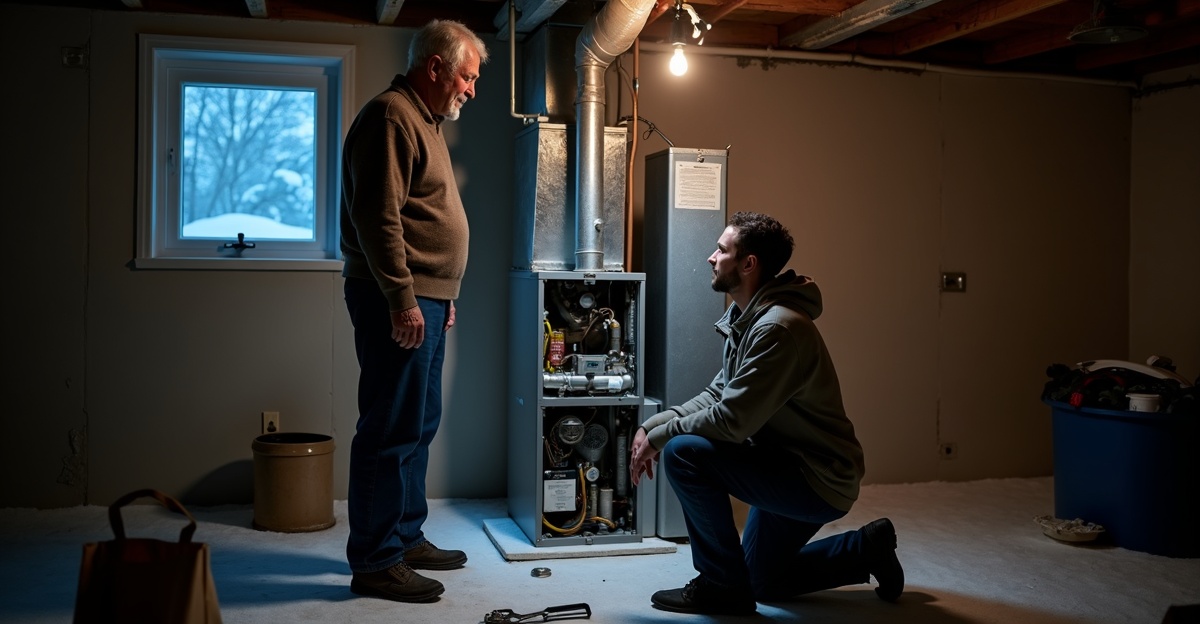
When heat fails during a New England winter, the furnace repair vs replace decision demands a fast, fact-based answer. We ground that choice in system age, safety, and real cost comparisons. This guide explains how we evaluate repair costs versus replacement investment, typical price ranges in Massachusetts and New Hampshire, efficiency differences, and clear rules like the 30–40% and 50% benchmarks so we can move forward with confidence.
Key Takeaways
- Repair often makes sense when the furnace is under 15 years old, the issue is minor, and the cost is less than 30–40% of replacement.
- Replacement is usually the better investment when the system is 15–20+ years old, has major component failure, or shows safety concerns like a cracked heat exchanger.
- The 50% rule simplifies decisions: if a repair approaches half the cost of a new system, replacement typically delivers better long-term value.
- New high-efficiency furnaces (90–98% AFUE) can lower winter energy bills significantly compared to older 80% AFUE systems.
- A professional inspection with clear, written pricing ensures we understand safety risks, remaining lifespan, and total costs before we choose repair or replacement.
How to Decide Fast: Repair or Replace Your Furnace?
A furnace failure during a Massachusetts winter requires a clear and fast decision. In Methuen, MA, Merrimack Valley, North Shore, and New Hampshire, heat is not optional for long.
The furnace repair vs replace decision does not have to feel pressured. We focus on facts, system condition, safety, and real costs so the choice makes sense. Our role is simple: diagnose the issue, explain it clearly, and provide honest options before any work begins.
In many homes and smaller rental properties, timing matters. Landlords managing multiple units cannot risk long outages. Homeowners want steady comfort without overspending. Small businesses need reliable heat to stay open. That is why we approach furnace repair vs replacement with urgency and transparency, especially during peak cold snaps.
We explain what is wrong, what it costs to fix, and how long the system is likely to last. If a safe, cost-effective repair is the right move, we say so. If replacement is the better long-term investment, we explain why. No pressure. Just clear guidance.
Signs a Repair Makes Sense (And Can Safely Buy You Time)
Many systems in older Merrimack Valley and North Shore homes still have solid years left. In New England, typical furnace lifespans run 15–20 years depending on maintenance and use. If the unit is under 12–15 years old, repair is often worth serious consideration.
Minor part failures are common and usually affordable. These include:
- Ignitor replacement
- Flame sensor cleaning or replacement
- Thermostat issues
- Small electrical component repairs
When the rest of the system is clean, safe, and structurally sound, these repairs can restore reliable heat quickly.
A key factor in furnace repair vs replace decisions is the cost ratio. If the furnace repair cost is less than 30–40% of a full replacement estimate, and the system has been dependable, repair typically makes financial sense. This is especially true when there are no safety concerns.
We also check carefully for cracks in the heat exchanger or signs of carbon monoxide risk. If those are not present and the unit passes a safety inspection, repair is often the practical path.
If the system mostly runs well but shows unusual behavior, reviewing the signs of a failing furnace can help determine whether the issue is minor or part of a larger pattern. When the problem is isolated and recent, repair can safely buy additional useful years.
In every case, we complete diagnostics first and provide clear written pricing before starting work. That keeps the furnace repair vs replacement decision in your control.
When Replacement Is the Smarter Long-Term Investment
Age changes the equation. Once a furnace reaches 15–20+ years—especially after heavy winter use in Massachusetts and New Hampshire—replacement becomes a stronger option.
If breakdowns have increased over the past one or two heating seasons, repair costs can rise quickly. Frequent service calls signal wear across multiple components. At that stage, continuing repairs may only delay replacement.
Major component failures also shift the repair vs replace furnace discussion. These include:
- Cracked heat exchanger
- Failed blower motor
- Repeated control board issues
A cracked heat exchanger is a safety concern. When structural failure affects safe operation, furnace repair vs replacement clearly favors replacement.
Efficiency also matters. Older systems often carry lower AFUE efficiency ratings. AFUE (Annual Fuel Utilization Efficiency) measures how much fuel converts into usable heat. An 80% AFUE furnace converts 80% of fuel into heat and loses 20% through venting. Modern high-efficiency units can reach 90–98% AFUE. That difference appears on winter gas bills.
If a major repair is required near the end of expected lifespan, the replace furnace cost may provide better long-term value. Lower energy use, fewer breakdowns, and warranty protection offer stability during harsh winters.
When weighing furnace repair vs replacement, we consider safety, age, energy costs, and reliability. Then we recommend what protects comfort and budget over the next 10–15 years.
The 50% Rule and Other Practical Guidelines You Can Use Today
Clear benchmarks make decisions easier. One widely used guideline is the 50% rule furnace approach.
The rule is simple:
If a repair approaches 50% of the cost of a new system, replacement usually makes better financial sense.
In New England’s demanding climate, we often apply an even more conservative standard. If the repair exceeds 30–40% of replacement cost and the furnace is over 15 years old, the repair vs replace furnace decision often favors replacement.
Energy costs in Massachusetts and New Hampshire are significant during long winters. A high-efficiency upgrade may reduce monthly bills enough to offset part of the installation investment over time.
Quick Decision Comparison
Choose repair when:
- The system is under 15 years old
- The issue is minor and isolated
- Repair cost is reasonable compared to replacement
- The unit operates safely
Choose replacement when:
- The system is 15–20+ years old
- A major component has failed
- Energy bills continue rising despite maintenance
- Safety or recurring reliability concerns are present
This structured approach keeps the furnace repair vs replace decision grounded in facts instead of guesswork.
For more insight into lifespan expectations, review how long a furnace usually lasts before making a final decision.
Cost Comparison: What Repairs and Replacements Typically Cost in Our Area
Costs vary by size, fuel type, and home layout, but local ranges help frame the furnace repair vs replacement discussion.
In our region, common furnace repair cost Massachusetts ranges include:
- Minor repairs (ignitor, flame sensor, thermostat): approximately $150–$500
- Mid-level repairs (control board, inducer motor): approximately $500–$1,200
- Major repairs (blower motor, heat exchanger): often $1,200–$2,500+
Furnace replacement cost New Hampshire and nearby Massachusetts communities typically ranges from $5,000 to $10,000+ depending on system size, efficiency rating, venting requirements, and labor complexity.
AFUE ratings directly affect operating costs. A high-efficiency furnace with a 95%+ AFUE rating produces more heat from the same amount of fuel. Over long New England winters, that improvement can create meaningful annual savings.
We provide detailed written estimates outlining equipment options, efficiency levels, warranty coverage, and expected performance. That way, the furnace repair vs replacement choice is backed by clear numbers and full transparency.
What to Do Next: Get a Clear Answer and Reliable Heat Fast
The next step is a professional evaluation. A full inspection reveals what is happening inside the system and confirms safe operation. We explain what happens during a furnace inspection so expectations remain clear from the start.
If heat has stopped completely, acting quickly is essential. We provide 24/7 emergency furnace repair across Methuen, MA, Merrimack Valley, North Shore, and New Hampshire. Fast response times matter during extreme cold.
For long-term support, our heating repair Methuen MA and maintenance services help extend system life closer to the 15–20 year range. Annual tune-ups identify small problems before they become expensive repairs.
Scheduling is straightforward. You can schedule furnace inspection visits promptly and receive clear recommendations without pressure. If replacement is best, we explain why. If repair is smarter, we restore heat quickly and efficiently.
Furnace repair vs replacement decisions feel urgent in winter, but with accurate diagnostics and honest guidance, the right choice becomes clear. Reliable warmth and peace of mind are the goal every time.