
Bad Furnace Flame Sensor Symptoms: What to Watch For?
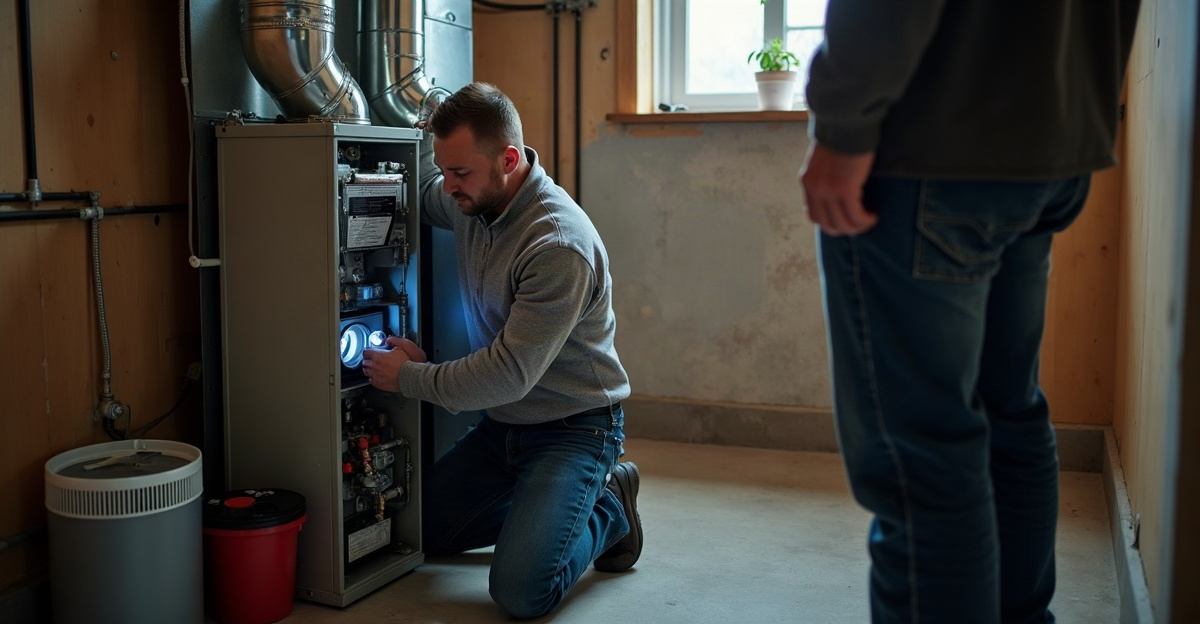
Furnace flame sensor symptoms often include burners that ignite briefly and shut off, repeated start-and-stop cycles, intermittent heat, lockout mode, or cool air from a running blower. These signs may also indicate ignition, venting, airflow, or gas-supply issues. We recommend prompt professional diagnosis to identify the cause and restore dependable heat.
Key Takeaways
- A flame sensor confirms that burner flame is present and shuts off the gas valve if it cannot verify safe operation.
- A dirty or failing sensor may cause the furnace to run for only a few seconds before it shuts down.
- We recommend recording furnace LED error codes and checking accessible items, including thermostat settings, power, filters, and outdoor vent openings, before scheduling service.
- Do not repeatedly reset a furnace in lockout or bypass any furnace safety control.
- Leave the building and contact the gas utility or emergency services from a safe location if we smell gas, see soot or yellow flames, experience carbon monoxide symptoms, or a carbon monoxide alarm activates.
Furnace Starts, Then Shuts Off: Signs a Flame Sensor May Be the Problem
A dirty or failing flame sensor can cause a gas furnace to ignite for a few seconds and then shut off, repeat this cycle, or enter a lockout mode. These symptoms can also result from other furnace problems, so a professional diagnosis is needed to confirm the cause.
Common furnace flame sensor symptoms include a furnace that lights briefly but will not stay running, repeated start-and-stop cycles, intermittent heat, and no warm air reaching the home. This behavior is often called short cycling. It means the furnace starts, runs for only a short time, and shuts down before it can adequately heat the home.
A furnace that repeatedly shuts down can quickly become a comfort and property-protection concern during cold weather in Methuen, the Merrimack Valley, the North Shore, and Southern New Hampshire. We recommend prompt service when heat is unreliable, especially during freezing conditions.
Stop troubleshooting and leave the building if you smell gas, suspect a gas leak, experience carbon monoxide symptoms, see soot, notice yellow or wavering burner flames, or have a carbon monoxide alarm activate. Contact the gas utility or emergency services from a safe location.
Common Furnace Flame Sensor Symptoms to Watch For
Dirty flame sensor furnace symptoms often begin shortly after the thermostat calls for heat. The furnace may appear to start normally, but its safety system shuts it down before heating can continue.
Signs to Record Before Service
These bad furnace flame sensor symptoms are useful details to share with a technician:
- The furnace starts, the burners ignite, and then the system shuts off after several seconds.
- The furnace repeatedly attempts to start and stop.
- The furnace blower runs, but the home does not receive warm air.
- Heat becomes intermittent, or the furnace requires frequent resets.
- The furnace enters a lockout mode after multiple failed ignition attempts.
- Diagnostic LED light codes appear on the furnace control board.
Lockout mode means the furnace temporarily stops further ignition attempts to protect the system after repeated failures. Repeated resets are not a repair and can hide an issue that needs attention. Check the furnace label or owner’s manual, record the LED code pattern, and share it with the technician rather than guessing what the code means.
A blower can continue operating after the burners shut down, which may explain why cool air is moving through the home. However, this symptom has several possible causes. For a fuller look at this issue, see our guide to furnace blowing cold air.
Why a Flame Sensor Causes Furnace Shutdowns
The flame sensor is a safety component that verifies a burner flame is present after ignition. The igniter creates the flame, while the flame sensor confirms that a flame is present. A flame sensor is not the same part as an igniter.
If the furnace control board does not receive confirmation of flame, it shuts down the gas valve as a safety measure. This sequence helps prevent unburned gas from continuing to flow when the furnace cannot verify safe burner operation.
With dirty flame sensor furnace symptoms, buildup on the sensor can interfere with its ability to detect the flame. The safety system then closes the gas valve, even though the burners may have lit at first. Bad flame sensor symptoms can therefore appear sudden, but the shutdown is an intended safety response.
This type of shutdown does not automatically mean there is a gas leak. Even so, safety warnings should never be minimized. Never bypass a flame sensor or any furnace safety control.
Other Furnace Problems That Can Look Like a Bad Flame Sensor
A symptom is not a diagnosis. Even when a furnace ignites and then shuts down, the flame sensor is only one possible cause.
Similar bad furnace flame sensor symptoms can result from several issues, including:
- Dirty or damaged burners
- Igniter failure
- Gas-supply problems
- Blocked intake or exhaust venting
- Pressure-switch or condensate-drain issues on high-efficiency furnaces
- A dirty air filter or other airflow restriction
- Overheating or limit-switch faults
- Control board or wiring problems
Professional diagnosis matters because ignition problems, burner condition, venting restrictions, pressure-switch faults, control-board signals, gas supply, and airflow concerns can produce nearly identical furnace flame sensor symptoms. A dirty sensor can sometimes be a straightforward service repair, but the proper solution and final cost depend on the furnace model and the actual underlying issue.
Frequent cycling can also point to control or airflow concerns. Our article about heater cycling problems explains why a complete inspection is important before making a repair decision.
Safe Checks to Make Before Calling for Furnace Repair
Before calling for help, you can safely check a few basic items:
- Confirm that the thermostat is set to Heat and above the current room temperature.
- Verify that the furnace has power, including any accessible switch or tripped breaker.
- Check an accessible standard air filter for obvious blockage.
- From outdoors, check whether intake and exhaust vents are visibly blocked by snow, leaves, or debris.
- Record any error-code light pattern shown through the furnace viewing window.
These observations can help a technician diagnose dirty flame sensor furnace symptoms and other furnace faults more efficiently.
Do not disassemble furnace panels or reach into the equipment. Do not access gas components, burners, live electrical components, or the furnace control board. You also should not continue resetting a furnace that has entered lockout.
If heat is out during freezing weather, keep interior doors open where safe to help warm air circulate. Protect exposed plumbing according to local or property-specific procedures, and contact a qualified HVAC professional promptly. Our emergency HVAC service is available when a heating failure needs urgent attention.
Leave the building immediately if you smell gas, suspect a gas leak, experience carbon monoxide symptoms, see soot, notice yellow or wavering burner flames, or have a carbon monoxide alarm activate. Contact the gas utility or emergency services from outside the building.
When to Schedule Professional Furnace Diagnostics
Schedule professional furnace diagnostics if the furnace will not stay lit, shutdowns return after basic checks, the system is in lockout, or there is no heat. Call promptly when the issue affects tenants, customers, or employees. Any safety warning requires immediate action, not continued troubleshooting.
During a diagnostic visit, a technician may inspect the flame sensor, burner operation, ignition sequence, venting, pressure switches, filter and airflow conditions, wiring, and control-board signals. The goal is to identify the actual cause before recommending cleaning, repair, replacement, or further service.
For ongoing reliability after repairs, review these furnace maintenance tips.
We serve Methuen, the Merrimack Valley, the North Shore, and Southern New Hampshire. Homeowners and property managers can arrange furnace diagnostics when a system repeatedly shuts down, will not heat, or shows safety-related warning signs. For local help, our Methuen HVAC team is ready to provide clear findings and transparent next steps.
Frequently Asked Questions
Can a dirty flame sensor cause a furnace to blow cold air?
It can contribute if the burners shut down while the blower continues running. However, other furnace problems can cause the same symptom.
Will a furnace run with a bad flame sensor?
It may start briefly, but the furnace safety system can shut it down when it does not confirm flame.
How long does a furnace run before shutting off with a bad flame sensor?
Often, the furnace shuts off only several seconds after ignition, although timing varies by furnace model and the underlying problem.
Is a flame sensor the same as an igniter?
No. The igniter starts the flame, while the flame sensor verifies that the flame is present.
Can we keep resetting a furnace if it is in lockout?
No. Repeated resets are not a solution and can mask an ongoing furnace issue that requires service.
Does a bad flame sensor mean a new furnace is needed?
No. Flame sensor symptoms do not automatically mean furnace replacement is necessary. A professional diagnosis determines the appropriate repair.
For clear, trustworthy service information, this page should include technical review by a licensed HVAC professional, an author bio, reviewer credentials, a publication date, and a last-reviewed date where applicable.