
Furnace Maintenance Tips That Can Help Prevent Costly Repairs
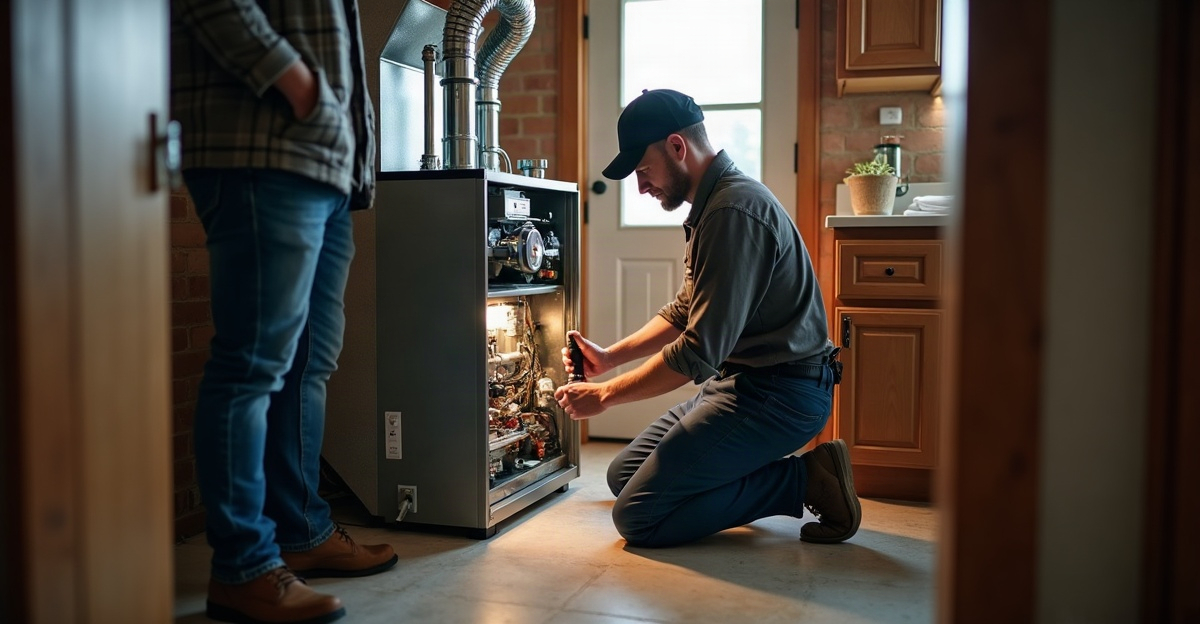
Furnace maintenance helps us reduce avoidable strain and identify issues early. We recommend checking filters, clearing vents, testing safety alarms, and booking a professional tune-up before winter. No-heat issues, gas-like odors, carbon monoxide alarms, sparking, or smoke demand immediate professional or emergency support. We shouldn’t attempt DIY repairs in these situations.
Key Takeaways
- Replace or inspect furnace filters according to the manufacturer’s instructions to maintain proper airflow.
- Keep supply vents, return grilles, exterior terminations, and the furnace area free from obstructions and flammable storage.
- Test smoke alarms and carbon monoxide detectors regularly. Leave the building immediately if a carbon monoxide alarm sounds.
- Schedule annual professional furnace maintenance in early fall. Our technicians check safety systems, combustion, electrical connections, airflow, and internal components.
- Contact us promptly for unusual noises, odors, weak airflow, short cycling, uneven heating, repeated breaker trips, or furnace lockouts.
Urgent Furnace Problems That Need Professional or Emergency Help
Some furnace problems can wait for a scheduled visit, but others need prompt professional attention. We recommend calling for service if a furnace will not start, blows cool air, short cycles, runs too often, has weak airflow, or heats rooms unevenly.
Banging, rattling, squealing, grinding, and persistent whistling also need attention. These sounds can point to a loose part, blower issue, airflow restriction, or another condition that requires diagnosis. Learn more about loud furnace noises before a minor sound becomes a larger repair.
Call for furnace repair services when there is water around the unit, recurring condensate trouble, a persistent burning, musty, electrical, or gas-like odor, pilot or ignition failure, repeated lockouts, or tripped breakers. Yellow or flickering burner flames, where visible without removing panels, are also a reason to stop and call a licensed technician.
No heat during freezing weather, a suspected gas odor, a carbon monoxide alarm, smoke, sparking, repeated breaker trips, or any sign of fire requires urgent action. For an immediate life-safety risk, leave the building, call 911 or emergency services and/or the gas utility from a safe location, and do not return until authorities say it is safe. We provide responsive emergency heating service for heating problems that need fast professional care.
Never attempt independent troubleshooting for a suspected gas leak, carbon monoxide issue, sparking, or fire risk. A furnace that suddenly stops can have several possible causes, and our guide on why furnaces stop working can help identify when it is time to call.
Carbon Monoxide Safety Comes First
Carbon monoxide safety is never a DIY furnace maintenance task. Carbon monoxide is a serious safety concern, and suspected exposure requires immediate action.
Test carbon monoxide detectors regularly. Replace batteries or entire units according to manufacturer guidance. Test smoke alarms at the same time, so both warning systems remain ready throughout the heating season.
If a CO alarm sounds, leave the building immediately. The same response applies if anyone may have carbon monoxide exposure symptoms, including headache, dizziness, nausea, confusion, chest pain, or fainting. Call 911 or emergency services and/or the gas utility from a safe location. Do not re-enter until authorities say it is safe.
Do not inspect gas connections, combustion components, venting, or internal furnace parts to find the cause. Professional carbon monoxide safety resources and licensed HVAC service provide the right next step after authorities have addressed the immediate risk.
Routine maintenance can reduce the risk of certain avoidable furnace issues, but it cannot guarantee that a furnace will never fail or eliminate every future repair need. Reliable alarms, prompt action, and annual professional service provide important layers of protection.
Fall Furnace Maintenance Checklist: Safe Tasks We Can Do
These furnace maintenance tips are safe tasks for homeowners, landlords, property managers, and small business owners. They help support reliable heating, but they do not replace professional service.
Saveable Fall Furnace Maintenance Checklist
Before cold weather arrives, complete these basic home furnace maintenance tips:
- Replace or inspect the air filter according to the furnace and filter manufacturer’s instructions.
- Set the thermostat to heat and verify it responds correctly.
- Make sure supply vents and return grilles remain open and free of furniture, rugs, curtains, and storage.
- Inspect accessible vent areas for blocked airflow.
- Check exterior intake and exhaust terminations, if present and safely accessible, for snow, leaves, nests, and debris. Do not dismantle venting.
- Keep the furnace area clear of storage and combustible materials, following manufacturer-recommended clearance.
- Test smoke alarms and carbon monoxide detectors.
- Track changes in comfort, noise, odor, cycling, and heating costs for the service technician.
A clogged filter can restrict airflow and make a furnace work harder. It is not the only possible cause of weak heat, uneven temperatures, or higher energy costs. Persistent trouble needs professional diagnosis, especially if there are other signs of a failing furnace.
Schedule annual professional furnace maintenance before winter. A filter change is useful, but it cannot inspect safety controls, combustion performance, electrical components, or internal wear.
Why Early-Fall Furnace Maintenance Matters in the Northeast
Cold Northeast winters place steady demand on heating equipment. Early fall is the right time to check furnace performance before sustained cold weather makes a heating problem urgent.
Fall furnace maintenance tips matter across Methuen, the Merrimack Valley, the North Shore, and Southern New Hampshire. Scheduling before winter often provides more flexibility than waiting until the first major cold stretch, when service demand and emergency repair calls can increase.
Annual professional furnace maintenance may improve heating performance, reduce avoidable strain, identify concerns early, and reduce the likelihood of some winter breakdowns. It also gives property owners time to consider repair options without the pressure of a no-heat emergency.
We recommend preventive visits as part of regular heating maintenance services. Homeowners and businesses in Methuen, the Merrimack Valley, the North Shore, and Southern New Hampshire can schedule preventive service before winter or request prompt help when heating problems arise.
What a Licensed HVAC Professional Checks During a Furnace Tune-Up
A professional furnace tune-up covers work that should remain with trained, licensed HVAC technicians. The visit may include safety, combustion, electrical, airflow, and component checks based on the system type and its condition.
A technician may inspect combustion and venting, test safety controls, assess burners and heat exchanger condition, inspect gas connections, examine electrical and blower components, check condensate drainage where applicable, and evaluate ignition systems and airflow. These checks help identify conditions that basic furnace maintenance tips cannot address.
Professional testing also helps diagnose short cycling, no-heat conditions, unusual noises, odor concerns, weak airflow, and uneven heating. Each symptom can have more than one cause. A proper inspection helps avoid guessing or replacing parts without a clear diagnosis. Our overview of a furnace inspection explains why this professional review matters.
Stop and call a professional rather than opening sealed combustion chambers, cleaning burners, adjusting gas valves or gas lines, modifying electrical wiring, bypassing safety switches, repairing a heat exchanger, or investigating a suspected gas leak. These tasks can create serious safety risks.
Clear communication matters at every visit. We explain findings, recommended furnace repair services, expected next steps, and available options so property owners can make informed decisions without pressure.
When Recurring Furnace Repairs May Justify a Replacement Evaluation
An older furnace with frequent repairs, declining reliability, reduced comfort, or rising operating costs may need a professional replacement evaluation. Age alone does not decide the issue. We consider safety, repair cost, equipment condition, efficiency, and the heating needs of the home or business.
Repeated repairs do not always mean replacement is the right answer. In some cases, a targeted repair can restore dependable operation. In others, continued repairs may no longer offer a practical path forward. Our guide on furnace repair or replacement can help frame that conversation.
How Often Should Furnace Maintenance Be Performed?
We recommend annual professional furnace maintenance, ideally in early fall before sustained cold weather begins.
How Often Should a Furnace Filter Be Changed?
Follow the furnace and filter manufacturer’s instructions. Filter type, system use, pets, dust levels, and indoor conditions can affect the correct interval.
Can Changing a Furnace Filter Prevent Repairs?
A clean filter can reduce airflow strain caused by a clogged filter, but it cannot prevent every repair or replace a professional tune-up.
What Furnace Maintenance Can We Do Ourselves?
Safe tasks include filter checks, thermostat checks, keeping vents clear, testing alarms, clearing clutter from the furnace area, and watching for performance changes.
Is a Furnace Tune-Up Worth It Every Year?
Yes. Annual HVAC maintenance plans provide professional safety, combustion, airflow, electrical, and component checks that basic upkeep cannot provide.
For a system that is not heating normally, schedule furnace repair services promptly. For recurring issues, request an evaluation before the next heating season. We’re ready to provide clear recommendations and dependable service across Methuen, the Merrimack Valley, the North Shore, and Southern New Hampshire.