
What Causes a Furnace to Stop Working?
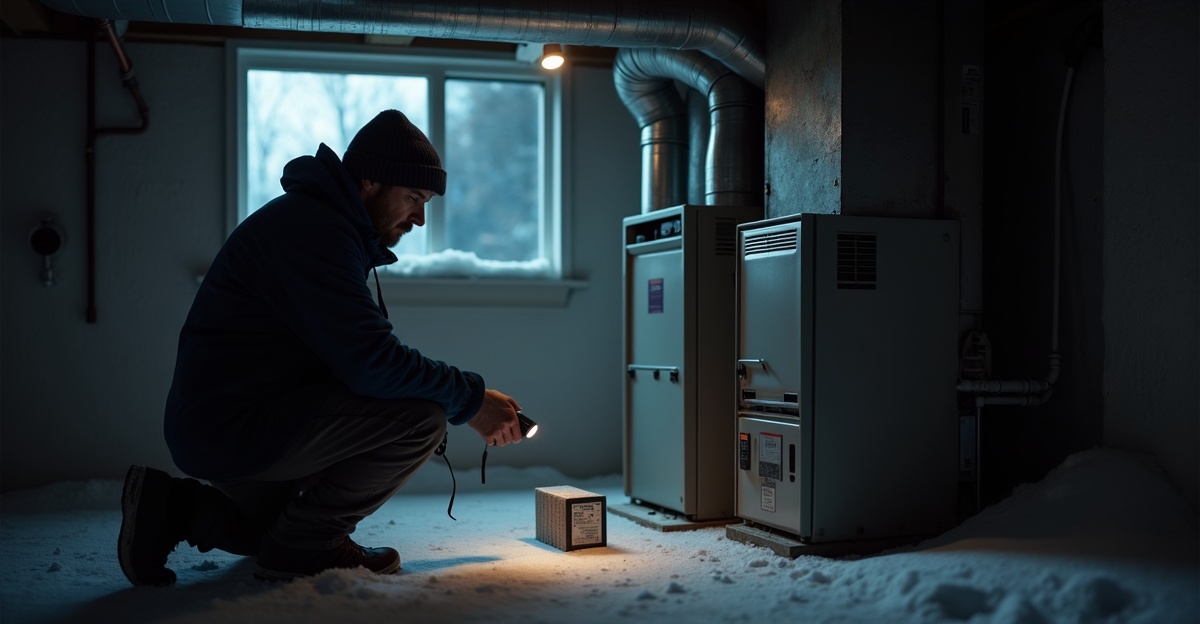
When a furnace stops working and leaves our home without heat, we often face a built-in safety shutdown. The system triggers this shutdown after thermostat errors, power interruptions, airflow restrictions, ignition failures, or blocked vents. We can save time and stress when we understand what causes a furnace to shut down. We rule out simple problems like a tripped breaker or dirty filter first. Then we can identify more serious mechanical or electrical issues that call for professional repair.
Key Takeaways
- Incorrect thermostat settings, dead batteries, or power loss from a tripped breaker or shutoff switch rank among the most common and easiest issues we check.
- Restricted airflow from a dirty filter or blocked vents can trigger a safety shutdown and prevent overheating.
- Ignition problems, flame sensor buildup, or pilot light issues often cause the furnace to start and shut off again within seconds.
- Blocked intake or exhaust vents, especially after snow or ice buildup, can force the system to shut down as a safety measure.
- Blower motor failures, control board malfunctions, or aging components often require professional diagnostics and targeted repair.
No Heat? Start Here: The Most Common Reasons a Furnace Shuts Down
A furnace not working in your house during a Northeastern winter isn’t a minor inconvenience. In Methuen, the Merrimack Valley, the North Shore, and New Hampshire, indoor temperatures can drop fast, and frozen pipes become a real risk.
Most calls about why is my furnace not working turn out to involve a small issue that can be corrected quickly. We see the same patterns again and again on service visits.
Here are the most common causes:
Thermostat settings are one of the first things we check. The system may be set to “cool” instead of “heat,” or the temperature might not be raised high enough. Dead batteries can also stop communication. If this sounds familiar, our guide on why a thermostat won’t turn on the heat explains it in simple terms.
Power issues are another frequent cause. A tripped breaker or an emergency shutoff switch (it looks like a light switch near the furnace) can cut power instantly. When that happens, the furnace heater is not working even though nothing is actually broken.
Airflow problems matter more than many homeowners realize. A dirty filter can restrict airflow enough to trigger safety shutoffs. Modern systems protect themselves this way to prevent overheating.
Older systems may have a pilot light that’s gone out. Newer furnaces rely on electronic ignition. Ignition problems, worn igniters, or sensor faults can stop the heating cycle before it really begins.
Blocked intake or exhaust vents are common during snowstorms. Clogged intake/exhaust vent pipes, including frozen intake pipes, prevent proper combustion. The furnace shuts down as a safety precaution.
Flame sensor issues are another top service call. If the sensor can’t confirm a steady flame, the system will start and shut off repeatedly. That frequent cycling during extreme cold puts extra strain on components and leaves the house chilly. Our article on why a heater turns on and off frequently describes this behavior in detail.
Some homeowners worry the entire system has failed. In reality, built-in safety shutoffs often stop operation to protect the equipment. That protection prevents larger damage.
If heating is still down after checking the basics, reviewing what to do when heating is not working can help clarify next steps. Help is available quickly if the simple fixes don’t solve it.
Quick Troubleshooting Checklist You Can Safely Do Right Now
Before scheduling service, we recommend these safe troubleshooting steps. They’re simple and don’t involve opening equipment or touching gas lines.
Run Through This Safety Checklist
Take a few minutes and check the following:
- Set the thermostat to “heat” and raise it above room temperature. Replace batteries if needed.
- Check the breaker panel. If a breaker is tripped, reset it once. If it trips again, stop and call for service.
- Confirm the furnace switch is on. It usually looks like a standard wall switch near the unit.
- Inspect the air filter. If it’s dirty, replace it. A clogged filter can shut the system down.
- Look outside at intake and exhaust pipes. Clear visible snow, ice, or debris. Don’t disassemble anything.
- Check supply and return vents. Make sure they’re open and not blocked by furniture.
These checks solve many furnace heater not working calls.
What not to do:
- Don’t open sealed access panels.
- Don’t attempt repairs involving gas lines, burners, or internal wiring.
- Don’t force components to restart repeatedly.
If the system still doesn’t respond, the issue may involve ignition problems, flame sensors, or electrical components that require proper tools and testing.
Warning Signs That Mean Call for Emergency Service
No heat in winter isn’t something to wait on in our area. Freezing temperatures in Methuen, the Merrimack Valley, the North Shore, and New Hampshire can create unsafe conditions quickly.
A strong gas smell requires immediate action. Leave the house right away and contact the gas company. Do not turn switches on or off.
Carbon monoxide concerns are serious. Every home with gas heat should have working carbon monoxide detectors. If an alarm sounds or symptoms like dizziness or nausea appear, get outside and call emergency services. Carbon monoxide is colorless and odorless.
Rapid short cycling is another red flag. If the furnace turns on and off repeatedly and never heats the home, internal safety shutoffs may be stopping it. Our page on what causes an HVAC system to stop working suddenly explains how these shutdowns happen.
Loud banging, grinding, or high-pitched screeching sounds point to mechanical trouble. Persistent burning smells after startup also require attention.
In these situations, professional help is the safest choice. We provide emergency furnace repair with fast response because no heat in winter can’t wait.
Common Mechanical Problems Behind the Scenes
When a furnace not working issue isn’t caused by settings or power, mechanical parts are usually involved.
Ignition problems are high on the list. In modern systems, a hot surface igniter glows to light the burners. If it’s worn or cracked, the furnace won’t light properly. Older systems rely on a pilot light, which can go out due to drafts or buildup in the pilot assembly.
Flame sensor issues are extremely common. The flame sensor confirms that gas is burning safely. If it’s coated with residue, it won’t detect the flame. The burners light for a few seconds, then shut off. That on-and-off pattern is frustrating but often repairable.
Blower motor failures or weak capacitors also stop warm air from circulating. The burner may fire, but without the blower, heat won’t move through the ducts.
Control board or wiring problems can interrupt communication between parts. Electrical connections loosen over time, especially in older systems that have worked through many New England winters.
System age plays a role. Older systems are more prone to breakdowns, especially after years of frequent cycling during extreme cold snaps. As components strain to keep up, small weaknesses show up.
If warm air never reaches the rooms, reviewing why a furnace is blowing cold air can clarify whether the issue is ignition, airflow, or timing related. For aging equipment, our guide on signs of a failing furnace helps determine if repair vs replace is worth considering.
What to Expect During a Furnace Repair Visit
When we arrive for a furnace not working call, we follow a clear diagnostic process.
- Verify thermostat communication and system settings.
- Inspect airflow, including the filter and visible duct connections.
- Check electrical connections, breakers, and voltage.
- Test the ignition system and flame sensor.
- Inspect venting and safety controls to confirm proper operation.
Many diagnostics are completed in a single visit. If parts are available on the truck, repairs often happen the same day.
Costs depend on several factors. The age of the system matters. The specific part that failed makes a difference. Parts availability can affect timing. Emergency service during severe cold or after hours may also impact pricing.
We believe in transparent pricing. Before any work begins, we explain the issue, outline options, and review the cost clearly. There’s no high-pressure sales approach. If the system is older, we’ll discuss repair vs replace honestly so an informed choice can be made.
Our full range of heating services covers diagnostics, repairs, and system replacement when necessary.
Local Help You Can Rely On When Your Furnace Is Not Working
A furnace not working creates stress quickly. Cold rooms, worried family members, and concerns about cost all add up.
We serve Methuen, the Merrimack Valley, the North Shore, and New Hampshire communities. As a local HVAC expert, we respond quickly because we understand how fast conditions change here. Our full service areas list shows where we provide fast, reliable service.
Emergency availability means help doesn’t have to wait until regular business hours. Clear communication keeps everyone informed from the first call through the final test run.
If the basic checks don’t restore heat, it’s time for professional support. We make it simple to reach out through our contact page and get scheduled quickly.
When a furnace heater is not working, prompt action prevents bigger damage. Reliable service, respectful technicians, and straightforward answers make a difficult day easier. Help is ready when it’s needed most.