
When to Replace Your Furnace?
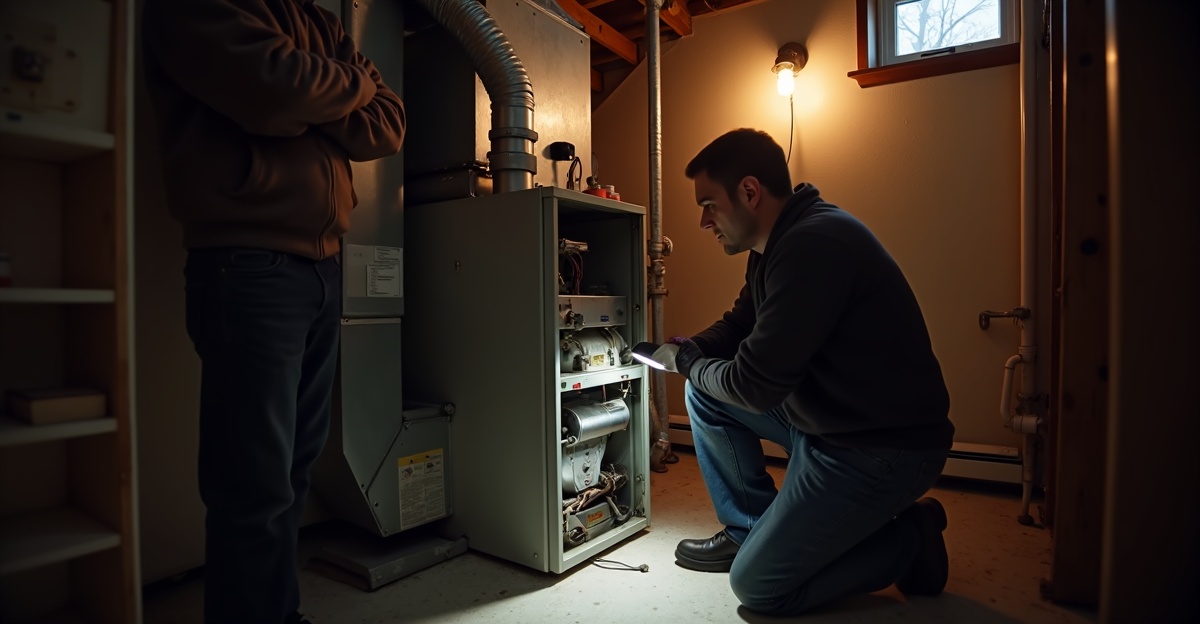
Knowing when to replace furnace equipment comes down to age, repair frequency, rising energy bills, and safety concerns. We see this often in New England, where systems run hard all winter and usually last 15–20 years. Once a unit reaches 18–20 years old, needs expensive repairs, runs inefficiently, or shows signs like uneven heat or carbon monoxide risk, we recommend planning a safe and cost-effective replacement.
Key Takeaways
- Furnaces in New England usually last 15–20 years. We evaluate systems over 15 years old with frequent breakdowns for possible replacement.
- If a repair costs 30–50% of a new system and the furnace is 15+ years old, we often recommend replacement as the smarter long-term investment.
- Rising heating bills, uneven temperatures, short cycling, and unusual noises signal declining efficiency and internal wear. We treat these as clear warning signs.
- Safety issues such as a cracked heat exchanger or carbon monoxide risk make replacement the safest option in most cases.
- Planning a replacement before winter helps us avoid emergency costs, limited equipment choices, and the stress of a cold-weather breakdown.
Signs It’s Time to Replace Your Furnace
Knowing when to replace your furnace starts with clear, practical warning signs. In New England, most systems last 15–20 years, sometimes less due to long winters and steady sub-freezing temperatures.
Age is one of the biggest factors. If a unit is approaching 18 or 20 years, it’s close to the average furnace lifespan New England homeowners can expect. Older systems work harder to produce the same heat and tend to break down more often.
Frequent or expensive repairs are another red flag. If a furnace is 18 years old and needs a $1,200 repair, replacement may be the smarter investment. At that stage, putting more money into an aging system can feel like pouring water into a leaky bucket. We often help families work through repair or replacement decisions with transparent side-by-side options.
Rising energy costs without changes in usage can also signal trouble. If bills keep climbing, review why heating bills increase during winter. Declining efficiency means the system burns more fuel to create the same comfort.
Uneven heating is another common complaint. Cold bedrooms, drafty living rooms, or longer run times are classic furnace replacement signs. Some systems begin to run almost nonstop in January just to maintain the thermostat setting.
Listen for unusual noises. Banging, rattling, or squealing sounds often indicate worn components. A short cycling furnace—one that turns on and off frequently—can signal internal wear or airflow problems. Repeated short cycles strain parts and shorten system life.
Strange performance issues also matter. If warm air disappears without warning, review common causes of furnace blowing cold air. Sometimes a simple repair solves the issue. Other times, it points to deeper mechanical decline.
Safety should stay front and center. A cracked heat exchanger can increase carbon monoxide risk. Carbon monoxide is colorless and odorless. Every home should have working CO detectors on each level. If a technician identifies a cracked exchanger, replacement is often the safest path forward.
Every problem doesn’t mean immediate replacement. Some systems just need a well-timed repair. Reviewing the signs of a failing furnace can help clarify whether the issue is minor or part of a larger pattern. We focus on fixing what’s fixable and replacing only when it truly makes financial or safety sense.
Repair or Replace? A Simple Cost Comparison You Can Use Today
Many homeowners struggle with furnace repair vs replacement decisions. There’s a straightforward rule of thumb we use every day: if repair costs approach 30–50% of the cost to replace furnace equipment and the unit is 15+ years old, replacement is often more cost-effective.
Think beyond one repair. Add up service calls over the last two or three winters. If breakdowns are becoming routine, that money could go toward a new, dependable system instead.
Quick Repair vs Replace Guide
Use this chart as a practical reference:
- Age: Under 10 years
Cost of Repair: Low
Frequency of Breakdowns: Rare
Energy Bills: Stable
Recommended Action: Repair and maintain
- Age: 12–15 years
Cost of Repair: Moderate
Frequency of Breakdowns: Occasional
Energy Bills: Slowly increasing
Recommended Action: Case-by-case evaluation
- Age: 18–20+ years
Cost of Repair: $800–$1,500+
Frequency of Breakdowns: Multiple per season
Energy Bills: Consistently rising
Recommended Action: Plan for replacement
For example, consider a 20-year-old furnace with two service calls last winter and another major repair estimate this year. Add in higher bills and uneven heat, and the answer becomes clearer. Many homeowners ask, is it worth replacing a 20-year-old furnace? In most Massachusetts homes, the long-term savings and reliability make replacement the smarter move.
We explain every option in writing. We outline the furnace replacement cost Massachusetts homeowners can expect and compare it directly to projected repair costs. No pressure. No rushed decisions. Just clear numbers and honest guidance.
What to Expect for Furnace Replacement Costs in Massachusetts and New Hampshire
Many families ask, how much does furnace replacement cost in Massachusetts? The answer depends on several factors: system size, fuel type, efficiency rating, and installation complexity.
In Massachusetts and New Hampshire, most furnaces last 15–20 years due to extended heating seasons. When replacement time comes, projects can vary widely. Older homes in Methuen, the Merrimack Valley, and North Shore may require venting updates, duct adjustments, or electrical improvements. These details affect total price.
On average, furnace replacement cost Massachusetts homeowners see often falls within a broad range depending on equipment and labor requirements. Higher-efficiency models cost more upfront but can reduce monthly fuel expenses. We review all options clearly and outline the full scope of work before starting.
Homeowners planning furnace installation Methuen MA properties need often benefit from scheduling before peak winter demand. A planned heating replacement Merrimack Valley residents arrange in early fall is usually smoother and less stressful than a mid-January emergency.
Financing furnace replacement is available for those who prefer predictable monthly payments. We explain available payment plans, potential rebates, and provide written estimates with no surprise add-ons.
Transparent pricing matters. We walk through every line item so families understand exactly what they’re paying for. Planning ahead almost always costs less than an emergency breakdown in the middle of a cold snap.
Energy Efficiency and Long-Term Savings in a Cold New England Climate
Cold winters put heating systems to the test. Even small efficiency differences show up quickly on monthly bills.
An older furnace uses more fuel to produce the same amount of heat. Components wear down. Burners lose efficiency. Blowers strain. Over time, that wasted energy leads to higher operating costs.
Upgrading to an energy efficient furnace can significantly lower heating bills Massachusetts homeowners face every winter. Modern systems convert a higher percentage of fuel into usable heat. That means more warmth for every dollar spent.
Replace old furnace savings add up in two ways. First, monthly utility costs typically decrease. Second, repair visits drop because new systems operate reliably and come with manufacturer warranties.
Efficiency also supports comfort. Steady, even heating reduces temperature swings and cold spots. Systems run more smoothly during extended cold stretches, which is critical during January and February.
Considering furnace lifespan New England conditions demand, efficiency becomes part of protecting the home long term. Reliable heat during extreme weather provides peace of mind that’s hard to put a price on.
Emergency Breakdown vs Planned Replacement
New England winters leave little room for heating failure. A system that limps into December may not survive January.
Emergency furnace replacement often costs more due to urgent scheduling, limited equipment availability, and immediate labor demands. Decisions feel rushed. Options may be limited.
Many homeowners ask, should I replace my furnace before winter? If the system is over 15–20 years old and showing consistent issues, planning ahead reduces stress and unexpected costs.
We provide 24/7 heating repair Methuen MA residents rely on during cold snaps through our emergency HVAC service. Our team responds quickly and focuses on restoring heat as fast as possible.
That said, proactive replacement offers clear advantages. Evaluating the system in late summer or early fall allows time to compare models, review financing, and schedule installation at a convenient time.
Reliable heat shouldn’t depend on luck. Planning today can prevent a freezing night without answers tomorrow.
Your Furnace Replacement Checklist and Next Steps
Clear criteria make the decision easier. Use this quick checklist:
- Is the system 15–20+ years old?
- Have repairs become more frequent or costly?
- Are energy bills increasing without changes in usage?
- Are some rooms consistently colder than others?
- Has a technician identified safety concerns such as carbon monoxide risk?
If several answers are yes, it may be time to seriously consider when to replace your furnace.
Still unsure? The next step is simple. Schedule furnace inspection with a trusted team that understands local homes and weather demands. As a local HVAC company Methuen MA homeowners have relied on for years, we provide full system evaluations through our heating services.
Our process stays straightforward. We inspect the equipment. We explain what we find in plain terms. We provide written estimates with options. We answer questions honestly, including can I repair my furnace instead of replacing it.
If repair makes sense, we’ll recommend it. If replacement offers better value or improved safety, we’ll explain why. Respectful technicians, clear pricing, and fast scheduling define how we work.
Families across Methuen, the Merrimack Valley, North Shore, and New Hampshire count on us for steady guidance and dependable service. When heat is on the line, we show up ready to help and prepared with real solutions.