
Furnace Ignitor Replacement Cost: What Affects the Price?
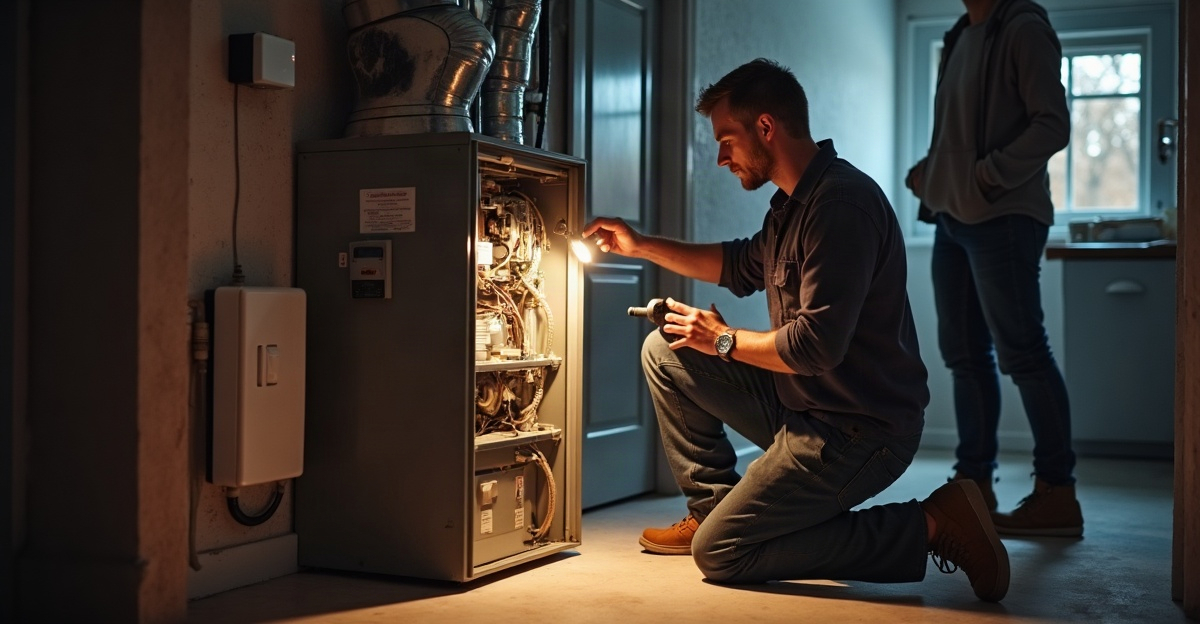
Furnace ignitor replacement costs usually range from the low to mid hundreds for a standard scheduled repair. Final pricing depends on the furnace model, ignitor type, diagnosis, labor, access, and service timing. Our professional technicians confirm the source of the issue before they begin work. We provide safe installation, system testing, and clear pricing.
Key Takeaways
- Part-only prices exclude diagnosis, labor, installation, testing, and warranty coverage.
- Emergency, weekend, holiday, and severe-weather calls can increase the total cost.
- A furnace that fails to ignite may have another problem, including a dirty flame sensor, damaged wiring, blocked venting, gas-supply issue, or faulty control board.
- Replacing a confirmed failed ignitor usually costs far less than replacing the furnace.
- Gas odors, carbon monoxide alarms, soot, or unusual combustion sounds require immediate safety steps and professional service.
Furnace Ignitor Replacement Cost: What Homeowners Can Expect to Pay
A professionally completed furnace ignitor replacement commonly costs more than an online part listing. The furnace ignitor replacement cost typically includes diagnosis, travel or dispatch, labor, compatible parts, safe installation, operational testing, and service warranty coverage.
Many standard scheduled replacements fall in the low-to-mid hundreds when the diagnosis is straightforward. Premium parts, difficult access, added repairs, and after-hours calls can raise the total. This is a typical range, not a guaranteed quote. For broader local pricing context, review our guide to Massachusetts furnace repair costs.
The part-only cost and the completed cost of furnace ignitor replacement are very different. A low-priced online ignitor does not include confirmation that the part fits the exact furnace model, diagnosis of the real failure, installation, testing, labor, or warranty protection. Searches for “cost furnace ignitor replacement” can show inexpensive parts, but those listings rarely reflect the full repair.
A furnace that will not start does not automatically need a new hot surface ignitor. We first confirm the failed component before recommending furnace repair. That approach helps prevent unnecessary parts and gives you a clear, honest estimate. For help understanding fair repair pricing, see our information on affordable furnace repairs.
What Affects the Final Furnace Ignitor Replacement Cost?
A local quote depends on the furnace and service conditions. The make, model, age, and ignitor type all affect part availability and labor time. Some furnaces use common hot surface ignitors, while others require a specific OEM part or a carefully matched compatible replacement part.
Standard business-hours scheduling may cost less than emergency furnace repair on a night, weekend, holiday, or severe-weather day. After-hours dispatch, limited part availability, and the urgency of restoring no heat can increase the price. During hard winter weather in the Merrimack Valley, North Shore, and Southern New Hampshire, demand may also affect appointment availability.
Diagnostic time matters because the ignition system has several possible failure points. A furnace not igniting may have a failed ignitor, but it may also have a dirty flame sensor, wiring issue, pressure-switch problem, control-board fault, gas-supply concern, venting restriction, or condensate drainage issue. Furnace location, access to the unit, and the overall condition of the system can also affect labor.
We explain the findings before work begins whenever conditions allow. If no heat cannot wait, our emergency HVAC service provides prompt help for urgent heating failures.
Signs It May Be an Ignitor Problem—and Why Diagnosis Matters
Several symptoms may point to an ignition failure. The furnace blower may run but burners do not light. The system may click, attempt ignition, then shut down. Repeated starts, intermittent heat, and furnace lockout messages can also signal a problem within the ignition sequence.
Check the furnace manual for model-specific error-code meanings. Error codes are not universal, and the same code can mean different things across furnace brands and models.
Important: A no-heat issue does not automatically mean the ignitor has failed. Thermostat settings, a clogged filter, tripped power, a dirty flame sensor, blocked venting, gas-supply problems, condensate issues on high-efficiency equipment, and electrical faults can all stop normal operation. Our article on why furnaces stop working covers several common causes.
A hot surface ignitor heats up to light the burners. A flame sensor has a separate job: it confirms that a flame is present after ignition. If the flame sensor cannot verify flame, the furnace may shut down even if the ignitor works correctly. For systems producing cool air instead of heat, see our guide on furnaces blowing cold air.
What a Professional Furnace Ignitor Service Visit Usually Includes
A professional furnace diagnostic starts with the reported symptoms and the furnace’s recent history. We perform a basic safety inspection, test electrical power and the ignition sequence, and confirm whether the ignitor or another component has failed.
Once we identify the issue, we match the correct part, install a compatible replacement part if needed, and test the furnace for reliable ignition and proper operation. We then explain the findings, repair options, pricing, and service warranty coverage clearly. Our overview of what happens during a furnace inspection offers additional detail on the checks that help protect heating performance.
Furnace ignition systems involve electricity, gas, combustion, and fragile components. Ignitor replacement is not a universal DIY repair, especially on gas furnaces or systems with repeated ignition failures. A qualified HVAC technician should assess suspected gas, venting, combustion, or electrical concerns.
When requesting an estimate, ask whether the price includes diagnosis, the part, labor, testing, warranty information, and any after-hours charge. Clear answers make it easier to compare estimates accurately.
When to Schedule Prompt Service or Treat It as a Safety Emergency
Schedule prompt HVAC service if the furnace repeatedly fails to ignite, blows cool air, enters a furnace lockout, or cannot provide dependable heat. Urgency increases during freezing weather and whenever children, older adults, tenants, customers, or employees are affected. In Methuen, the Merrimack Valley, the North Shore, and Southern New Hampshire, a cold snap can turn a no-heat issue into a fast-moving problem.
Safe Checks Before Calling
Before arranging service, you can complete a few basic checks if conditions are safe:
- Confirm the thermostat is set to Heat and above the current room temperature.
- Check that the furnace switch and circuit breaker are on.
- Replace an obviously clogged filter if the furnace instructions allow it.
- Confirm exterior intake and exhaust vents are clear of snow, ice, and debris where applicable.
Do not repeatedly reset the furnace, bypass safety switches, open the burner compartment, or attempt to repair gas or electrical components.
A gas smell, carbon monoxide alarm activation, soot, a strong burning odor, booming or unusual combustion sounds, or possible carbon monoxide symptoms require immediate action. Leave the building if necessary, avoid switches and flames, and contact emergency services and/or the gas utility from a safe location. Do not troubleshoot these conditions. For urgent no-heat service without immediate safety signs, contact our emergency HVAC team.
Is Replacing a Furnace Ignitor Worth It? Common Questions and Next Steps
Replacing an ignitor alone is usually far less expensive than replacing a furnace. A failed ignitor, by itself, is not a reason to push for a new system. A replacement discussion may make sense if the furnace has repeated failures, unsafe operation, major costly component issues, poor efficiency, or advanced age. Our guide on repair versus replacement can help clarify that decision.
How Much Does It Cost to Replace a Furnace Ignitor?
Standard scheduled repairs often fall in the low-to-mid hundreds, but the final furnace ignitor replacement cost may vary based on the part, diagnosis, labor, access, and service timing.
Is It Worth Replacing a Furnace Ignitor?
Usually, yes, if testing confirms the ignitor is the only problem and the furnace remains safe and reliable.
Can a Furnace Run With a Bad Ignitor?
A gas furnace generally cannot light its burners if the ignitor has failed, so it may run the blower without producing heat or shut down after failed start attempts.
Why Does a Furnace Try to Start but Not Ignite?
The cause may be the hot surface ignitor, flame sensor, gas supply, pressure switch, venting, wiring, control board, or another ignition-system issue.
Is a Furnace Ignitor the Same as a Flame Sensor?
No. The ignitor lights the burners. The flame sensor verifies that flame is present.
Does Emergency Furnace Repair Cost More?
It may. After-hours dispatch, urgent availability, and the need to restore heat quickly can raise the total.
For a system that will not ignite, cycles repeatedly, or cannot provide reliable heat, schedule a professional furnace diagnosis with our team serving Methuen, the Merrimack Valley, the North Shore, and Southern New Hampshire. For urgent no-heat or safety-related concerns, contact us immediately through our HVAC service contact page.