
Furnace Repair Cost in Massachusetts: What to Expect?
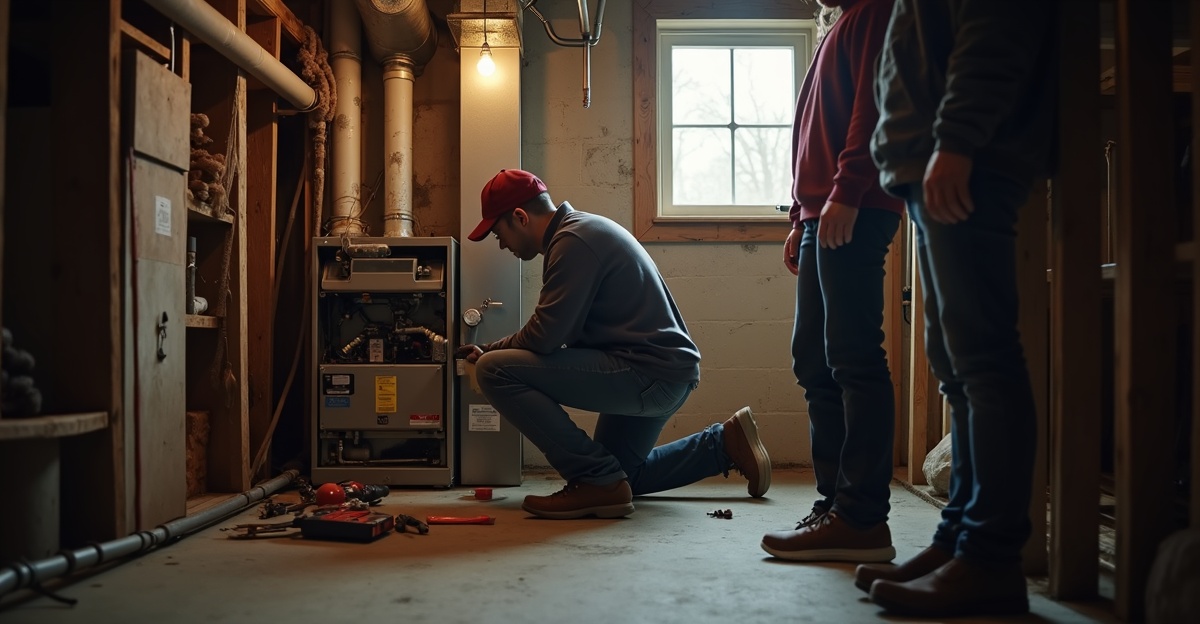
Furnace repair costs in Massachusetts usually range from $175 to $1,200. We see most homeowners spend between $300 and $600, depending on the issue and system type. Costs shift based on whether the system runs on oil or gas, how available parts are during peak winter demand, and whether service is scheduled during regular hours or as an emergency. The furnace’s age and condition also drive the final price.
Key Takeaways
- Most common furnace repairs in Massachusetts cost between $300 and $600, while major component replacements can exceed $1,000.
- Emergency or after-hours winter service can range from $250 to $1,500 due to higher labor rates and seasonal demand spikes.
- Oil furnaces and high-efficiency systems often use specialized parts that raise overall repair costs.
- A professional estimate should include a diagnostic fee, a clear breakdown of labor and parts, warranty details, and written approval before work begins.
- If repair costs reach 30% to 50% of the price of a new system—especially for furnaces over 15 years old—replacement often makes more financial sense long term.
How Much Does Furnace Repair Cost in Massachusetts Right Now?
In Massachusetts, the average furnace repair cost typically falls between $175 and $1,200 depending on the issue. Most homeowners pay between $300 and $600 for common repairs.
Minor repairs such as a thermostat adjustment, flame sensor replacement, or ignitor swap usually range from $175 to $450. Larger component repairs, including a blower motor, control board, or draft inducer motor, typically fall between $600 and $1,200 or more.
Emergency or after-hours winter repairs can range from $250 to $1,500 depending on the time of day and part availability. During cold snaps in the North Shore, Merrimack Valley, and Southern New Hampshire, demand rises fast. Labor rates in these areas are generally higher than national averages due to operating costs and heavy seasonal demand.
Many homeowners ask, “How much does furnace repair cost?” or “How much does it cost to repair a furnace in Massachusetts?” The honest answer depends on what failed and how quickly it’s handled. We provide clear pricing upfront so there are no surprises. A reputable local HVAC company should always offer a written estimate, fast scheduling, and straightforward communication.
If we need professional help with diagnostics or service, we rely on experienced technicians providing local heating services who understand regional systems and winter demands.
Common Furnace Repairs and What They Typically Cost
Every repair is different, but most furnace problems fall into a few common categories. Below are realistic Massachusetts price ranges, not teaser rates.
Typical Massachusetts Repair Costs
Here’s what homeowners can expect for common furnace repairs:
- Ignitor replacement: $200 to $450
- Flame sensor cleaning or replacement: $150 to $350
- Thermostat repair or replacement: $150 to $500 depending on model
- Pressure switch replacement: $200 to $500
- Blower motor repair or replacement: $600 to $1,200
- Control board replacement: $500 to $1,100
- Draft inducer motor replacement: $500 to $1,200
- Oil furnace burner components (common in Massachusetts): $300 to $900 depending on part
High-efficiency furnaces often use specialized components. Those parts can cost more than standard-efficiency models. Oil furnaces, which are common across Massachusetts, may also require specific burner or ignition parts that increase the overall repair cost.
These ranges reflect real pricing in our region. The final number depends on access, part availability, and system type.
What Affects Furnace Repair Cost in North Shore and Merrimack Valley Homes?
Several factors influence the total furnace repair cost in this region.
System type plays a big role. Natural gas and oil furnaces operate differently. Oil systems often require specialized service and components, which can raise costs slightly.
Age matters as well. Older furnaces sometimes use discontinued or harder-to-find parts. That can increase both material cost and repair time. High-efficiency systems offer better energy savings but contain advanced components that may be more expensive to replace.
Part availability during peak winter demand also affects price. If a cold front hits Methuen, Andover, Lowell, or surrounding towns, supply houses move quickly. Limited stock can drive up emergency repair expenses.
Labor rates in Massachusetts and nearby Southern New Hampshire are higher than national averages. Business costs, licensing, insurance, and technician training all factor in.
Accessibility counts. Tight basements, attic installations, or difficult ductwork setups require more time to safely complete the repair.
Emergency timing changes pricing, too. After-hours calls during freezing temperatures usually include higher labor rates. Homeowners often ask whether emergency work increases the price. We explain that clearly in our guide on emergency HVAC service pricing.
Finally, repeated breakdowns add up. Multiple service calls in one heating season may signal a deeper issue. At that point, it may make sense to step back and evaluate the bigger picture.
What’s Included in a Professional Furnace Repair Estimate?
A professional estimate should feel clear and straightforward.
In Massachusetts, most companies charge a diagnostic fee between $89 and $150. That fee often applies toward the repair if approved.
A proper estimate includes:
- A clear breakdown of labor and parts
- A simple explanation of what failed and why
- Warranty details on replacement parts, often one year or manufacturer-backed
- Labor warranty information
- A written estimate before any work begins
No vague pricing. No pressure. No upselling equipment that isn’t necessary.
We believe homeowners deserve honest guidance. If a repair makes sense, we say so. If replacement may be the better financial decision, we explain why in plain terms.
For urgent situations, it also helps to understand when HVAC repair is urgent so action can be taken quickly and safely.
Above all, a professional team respects the home, communicates clearly, and works efficiently. That keeps stress low during an already frustrating situation.
Emergency Furnace Repair in a Massachusetts Winter: What to Expect
Winters in Methuen, the North Shore, the Merrimack Valley, and Southern New Hampshire can turn severe fast. When the heat goes out, speed matters.
During heavy cold spells, service demand increases significantly. Emergency visit pricing may include after-hours labor rates, and part sourcing can take longer if supply is limited.
Reputable companies offer same-day or 24/7 support through dedicated emergency HVAC services. Fast response and clear communication should always be standard.
We recommend calling immediately if any of the following occur:
- No heat during freezing temperatures
- Burning smells or electrical odors
- The furnace repeatedly shuts off
- A carbon monoxide detector alerts (leave the home and call emergency services first)
Safety always comes first. Technicians should inspect the system carefully, explain findings clearly, and restore heat as quickly as possible.
Homeowners often want to know what the visit will cost before approving service. Our breakdown of how much emergency HVAC repair costs outlines realistic expectations for this area.
Even during emergencies, pricing should be transparent. Clear estimates and written approvals protect everyone involved.
When Does Repair Make Sense vs. Replacement?
Repairing a furnace is often the smart move, especially if the system is under 12 to 15 years old and this is the first major issue.
As a general rule, if the repair cost approaches 30% to 50% of the price of a new furnace, replacement deserves serious consideration. Age matters here. Systems that are 15 to 20 years old and experiencing repeated repairs may no longer be cost-effective to maintain.
If we’re unsure whether the system is worth fixing, it helps to review guidance on repair or replacement decisions. For older systems, our detailed look at repairing a 15-year-old furnace can provide added clarity.
Rising energy bills, frequent breakdowns, and uneven heating are also signs that the system may be nearing the end of its service life.
We focus on what makes financial sense. We don’t push replacement when a solid repair will restore safe, efficient operation. At the same time, we won’t recommend putting significant money into a system that is likely to fail again soon.
A clear written estimate and an honest conversation help homeowners make a confident decision. With the right guidance, the next step becomes simple and stress-free.