
Heat Pump vs. Furnace: Which Fits Your Home?
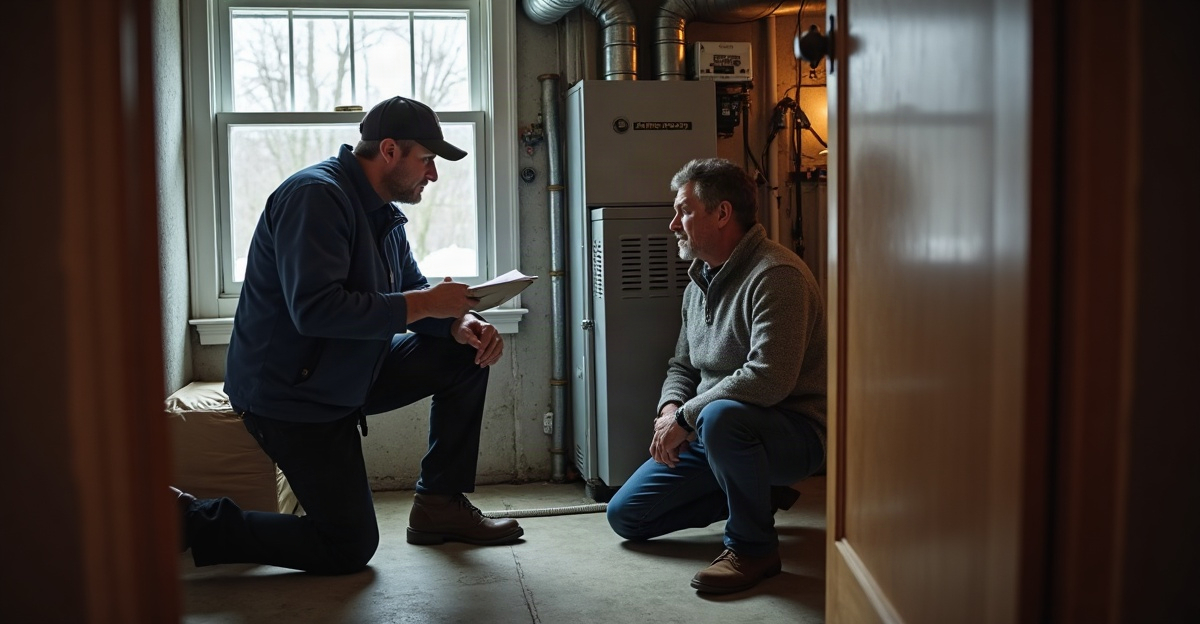
We choose between a heat pump and a furnace based on winter heating demand, cooling goals, fuel access, electrical capacity, ductwork, and insulation. A properly sized heat pump delivers efficient heating and air conditioning. A furnace may better fit homes that need high-output heat, rely on dependable fuel service, or benefit from a dual-fuel system.
Key Takeaways
- Modern cold-climate heat pumps perform well in Massachusetts and New Hampshire when we select, size, and install them correctly.
- Heat pumps provide heating and central air conditioning. Furnaces need separate AC equipment for cooling.
- Energy costs depend on electricity and fuel rates, weather, insulation, duct performance, equipment efficiency, and thermostat settings.
- Older homes may need duct repairs, insulation upgrades, or electrical improvements before we install a heat pump.
- An in-home assessment should examine heating load, ducts, electrical capacity, fuel options, and backup-heating needs before we select a system.
The Quick Answer: Choosing Between a Heat Pump and a Furnace
A heat pump can be an excellent fit for a cold Northeast home when we select, size, and install it correctly. A furnace may be the better choice for certain homes, budgets, fuel setups, and comfort preferences.
For homeowners, property managers, and small business owners in Methuen, the North Shore, Merrimack Valley, and Southern New Hampshire, the heat pump vs. furnace decision depends on the property. Winter performance, cooling needs, fuel availability, electrical capacity, ductwork, insulation, operating costs, and preferred comfort all matter.
A heat pump provides heating and air conditioning from one system. A furnace provides heat and usually needs a separate central AC system for cooling. Neither option automatically wins. We assess the building and explain the practical choices without pressure.
| Factor | Heat Pump | Furnace |
|---|---|---|
| Heating in cold weather | Can provide effective heat in cold conditions when selected and installed correctly | Provides strong, familiar heat output in very cold weather |
| Air conditioning | Yes, the system cools in summer | Needs a separate AC system for central cooling |
| Upfront cost | Varies with equipment, ductwork, electrical work, and backup-heat needs | Varies with fuel type, venting, ductwork, and whether AC is also needed |
| Operating-cost variables | Electric rates, winter temperatures, insulation, system efficiency, and backup heat | Fuel prices, furnace efficiency, insulation, duct condition, and thermostat use |
| Installation needs | Requires correct sizing, electrical capacity, refrigerant lines, airflow, and controls | Requires proper sizing, venting, fuel access, airflow, and often separate AC planning |
| Backup heat | May use electric heat, a furnace, or another planned source | Usually serves as the primary heat source |
| Maintenance | Regular service, clean filters, clear outdoor unit, and prompt repairs | Regular service, clean filters, safe combustion checks, and prompt repairs |
| Expected comfort | Steady heating and cooling when properly designed | Powerful heat delivery, with cooling dependent on separate equipment |
| Best-fit homes | Homes needing heating and cooling, all-electric properties, and homes without gas | Homes with reliable fuel access and a preference for high-output heat |
| Potential limitations | May require electrical upgrades, duct improvements, or backup-heat planning | Requires separate cooling equipment and depends on fuel access |
If a system has failed, we can provide prompt replacement help and an honest assessment of the safest, most practical options. For urgent loss of heat, our emergency HVAC service helps us address the immediate problem while planning the right long-term replacement.
How Heat Pumps and Furnaces Deliver Comfort
A heat pump moves heat instead of creating it by burning fuel. During winter, it pulls available heat from outdoor air and moves it indoors. During summer, it reverses direction and moves indoor heat outside, providing central air conditioning.
A furnace creates heat. Depending on the system, it may use natural gas, propane, oil, or electricity. Warm air then travels through ductwork and into the living or working space. A furnace generally needs a separate air conditioner to provide central cooling.
The furnace vs. heat pump comparison often centers on efficiency ratings, but ratings alone do not decide whether a system will keep a property comfortable.
HSPF2 measures a heat pump’s seasonal heating efficiency. A higher rating generally indicates greater heating efficiency over a season. SEER2 measures cooling efficiency for a heat pump or air conditioner, and higher numbers generally indicate greater seasonal cooling efficiency. AFUE measures furnace efficiency as a percentage, meaning a higher percentage converts more fuel into usable heat.
Correct sizing and installation quality matter more than a high efficiency number on its own. An oversized system can cycle poorly. An undersized system may struggle during extreme conditions. Leaky ducts, restricted airflow, incorrect refrigerant charge, and weak controls can also reduce comfort and efficiency.
Both systems need professional maintenance, clean filters, proper airflow, and timely repairs. Our HVAC maintenance services help identify small issues before they become a no-heat or no-cooling emergency.
Do Heat Pumps Work During Massachusetts and New Hampshire Winters?
Modern cold-climate heat pumps can provide useful, efficient heat at low outdoor temperatures. Still, performance and available heating capacity vary by model, installation, and outdoor conditions. We do not assume that every heat pump will perform the same way in every home.
Is a heat pump or furnace better for Massachusetts winters? Either can be the right choice. A furnace often provides powerful, familiar heating performance during the coldest weather. A properly designed heat pump can provide steady comfort through much of the heating season while also delivering air conditioning in summer.
Can a heat pump replace a gas furnace in New England? In some homes, yes. In others, retaining a furnace as part of a dual-fuel setup makes better sense. Correct system sizing, equipment selection, installation quality, insulation, duct performance, and backup-heat planning determine the result.
Backup heat is not a sign of failure. It is often part of a properly planned system. Backup heat may be electric resistance heat, a gas furnace in a dual-fuel system, or another approved heat source. The system uses it when outdoor conditions, comfort needs, or operating-cost settings call for additional heat.
Our region has cold winters, humid summers, older homes, uneven insulation, aging ducts, and different levels of gas availability. These conditions call for a property-specific plan. A home with tight construction and sound ducts may support a full heat-pump approach. Another property may need duct repairs, insulation improvements, electrical work, or a furnace-based plan first.
Upfront Cost, Monthly Bills, and Installation Requirements
Is it cheaper to run a heat pump or a gas furnace? The answer changes from property to property. Local electricity and gas prices, fuel type, equipment efficiency, outdoor temperatures, insulation, air leakage, thermostat habits, home size, duct leakage, and maintenance all affect operating costs.
Energy savings vary significantly with utility rates, fuel type, system efficiency, weather, thermostat habits, and home performance. We recommend reviewing the whole project instead of relying on one advertised price or a promised savings claim.
A heat pump can change the value calculation when a property needs both heating and cooling. Replacing an aging furnace and a separate AC system may make a combined heat-pump solution worth close consideration. On the other hand, an existing gas furnace with a sound AC system may support a different plan.
Installation quality affects price, reliability, and comfort. Before recommending equipment, we evaluate heating and cooling needs through a Manual J load calculation or equivalent calculation. This process measures how much heating and cooling the property actually needs. We also inspect duct condition and sizing, airflow, electrical-panel capacity, refrigerant line requirements, thermostat controls, system startup testing, and correct refrigerant charge.
Equipment ratings do not guarantee comfort or savings. The best system is one that fits the building, runs safely, and can be maintained properly. For broad support across heating, cooling, and system planning, explore our HVAC services.
Best-Fit Options for Older Homes, Existing Ducts, and Dual-Fuel Systems
Older homes throughout the Merrimack Valley and Southern New Hampshire often need a closer review before replacement. Limited electrical service, no ductwork, leaky ducts, poor insulation, room-to-room temperature problems, and gas-line availability can all shape the recommendation.
Does a heat pump also provide air conditioning? Yes. It heats in winter and cools in summer, which makes it a strong option for properties replacing an AC system as well as heating equipment. Homes without gas service, all-electric homes, and properties aiming to reduce fossil-fuel use may also be good candidates.
A furnace may fit best where reliable gas infrastructure already exists, high-output heat is the top priority, or electrical and duct upgrades would make a heat-pump project impractical. A furnace still needs separate cooling equipment if central AC is part of the plan. Our heating services include practical replacement guidance for gas-fired and other heating systems.
Can we add a heat pump to an existing furnace? Often, yes. A dual-fuel system pairs a heat pump with a gas furnace. The heat pump can handle cooling and milder heating weather. The furnace can take over during colder periods or when energy-cost calculations favor gas heat.
The dual-fuel switch point needs professional evaluation. It should account for equipment capability, fuel costs, weather conditions, comfort expectations, and the home’s heating load. This option can work especially well for properties with usable ducts and a dependable existing gas setup.
Ductless mini-splits can also help homes without ducts or with difficult comfort areas. Ducted heat pumps may fit homes with ducts that are properly sized and sealed. Every path has limits, including electrical upgrades, duct repairs, fuel access, backup planning, and the need for separate AC with a furnace.
Questions to Ask Before Replacing Your System
Replacement planning may be appropriate when a system has repeated repairs, rising energy bills, uneven heating, frequent breakdowns, unusual noise, limited parts availability, poor indoor comfort, or trouble keeping up. Age matters, but it should not be the only factor. Our guide on when to replace a furnace can help us weigh repair history, condition, and comfort concerns.
An in-home HVAC assessment is necessary before choosing equipment, committing to costs, selecting backup heat, or assuming current ducts and electrical service can support a new system. A qualified technician should evaluate the heating load, ducts, electrical capacity, fuel options, and comfort goals before making a recommendation.
Details to Have Ready for an Assessment
Bringing these details helps us provide a clearer comparison:
- Current system age and fuel type
- Recent energy bills
- Rooms that run too hot or too cold
- Known ductwork concerns
- Electrical-panel details, if known
- Cooling needs, budget range, and gas-service availability
Do heat pumps need backup heat in cold weather? Some do, while others use a backup plan only during specific conditions. The correct approach depends on the heat pump model, building load, local weather, and desired comfort level.
Is a heat pump or furnace better for Massachusetts winters? A properly selected heat pump, furnace, or dual-fuel system can work well. We recommend choosing based on the home’s condition and operating needs rather than a one-size-fits-all rule.
Can a heat pump replace a gas furnace in New England? It can in many homes, but some properties are better served by a dual-fuel system or a new furnace. Electrical capacity, ductwork, insulation, and cold-weather expectations guide the decision.
Is it cheaper to run a heat pump or a gas furnace? Costs depend on local electric and gas rates, weather, equipment efficiency, insulation, and thermostat use. We can review these factors before recommending a system.
Can we add a heat pump to an existing furnace? Yes, many properties can use a heat pump with a gas furnace as a dual-fuel system. A professional assessment should determine whether the existing furnace, ducts, and controls are suitable.
Does a heat pump also provide air conditioning? Yes. It provides heating in winter and cooling in summer from the same equipment.
If you are comparing a heat pump, furnace, or dual-fuel setup for a home or business in Methuen, the Merrimack Valley, the North Shore, or Southern New Hampshire, schedule an in-home assessment through our contact page. We will evaluate heating load, ducts, electrical capacity, fuel options, and comfort goals, then provide transparent pricing and an honest recommendation.