
Furnace Pressure Switch Stuck Open? Signs of a Bad Switch
A furnace pressure switch stuck open error means the system can’t confirm safe airflow and venting before ignition. It shuts down before the burners start. Common signs include repeated startup attempts, no heat, cold air, an inducer motor that runs without ignition, and diagnostic error codes. Another component may cause the issue instead of the switch.
Key Takeaways
- A stuck-open pressure switch protects against unsafe venting or combustion conditions. We must never bypass it or force it closed.
- Blocked intake or exhaust vents, frozen or clogged condensate drains, damaged pressure tubing, and inducer motor faults can trigger this error.
- We can check the thermostat, power, air filter, accessible vents, and visible outdoor vent openings. We shouldn’t disassemble furnace components.
- Repeated resets won’t solve the issue. They can allow an unsafe condition to continue.
- We should arrange prompt professional service for no heat, repeated shutdowns, water around the furnace, unusual odors, soot, smoke, or recurring vent blockages. We must leave immediately and call emergency services if a carbon monoxide alarm sounds or we smell gas.
What a Stuck-Open Pressure Switch Error Means Right Now
A furnace pressure switch stuck open message means the furnace cannot confirm the airflow and venting conditions required for safe ignition. The system shuts down to prevent operation when combustion gases may not be moving outdoors as intended.
The pressure switch is a combustion-safety device. Before the burners light, it confirms that the inducer motor has created the correct draft through the furnace and vent system. A pressure switch stuck-open furnace code does not automatically mean the switch itself has failed.
Several conditions can trigger this error, including blocked venting, condensate drainage trouble, damaged tubing, wiring faults, an inducer motor problem, or a control-board issue. Many of these problems can be diagnosed and repaired. Safety should come first, especially during cold weather in Methuen, the North Shore, Merrimack Valley, and Southern New Hampshire.
A prompt inspection helps identify the true cause rather than replacing parts based on an error code alone. For broader shutdown issues, review common furnace failure causes before arranging service.
Call for Emergency Help or Furnace Service When These Signs Appear
Arrange service right away if the furnace repeatedly tries to start and shuts down, produces no heat, has water pooling around it, or has exterior vents that freeze or become blocked again and again. No heat during freezing weather needs prompt attention, especially where children, older adults, tenants, or other vulnerable occupants are present.
Soot, scorch marks, smoke, loud or unusual operation, and fuel, burning, or unusual exhaust odors are urgent warning signs. If a carbon monoxide alarm sounds, everyone should get outside immediately and contact emergency services. If anyone smells gas, leave the building, avoid switches, phones, flames, and appliances, then call 911 or the gas utility from a safe location.
If the furnace displays a pressure switch stuck-open code, keeps shutting down, or will not produce heat, schedule a professional diagnosis. A technician can inspect the switch, venting, condensate drainage, inducer motor, and related safety components. For after-hours trouble, contact our emergency HVAC service. Local homeowners can also find support through our Methuen HVAC services.
Signs Your Furnace May Have a Pressure-Switch or Airflow Problem
A pressure-related fault can look like several other furnace problems. The furnace may fail to start, begin a heating cycle and stop before producing heat, or run the inducer motor while the burners never light. You may also notice repeated clicking, failed ignition attempts, or short cycling.
Cold air from the vents or no heat during a thermostat call can also point to a safety shutdown. Our guide to furnace cold air problems explains other causes that can create similar symptoms. Frequent starting and stopping may also match heater short cycling.
Many furnaces display blinking diagnostic lights or an error message. An error code is a control-board light pattern or display message that helps identify the system condition requiring diagnosis. It points to a safety condition, not a confirmed failed part. Other warning signs of aging equipment can appear in these signs of a failing furnace.
Safe Checks Homeowners Can Make Before Calling
Homeowners can complete a few simple checks without opening the furnace or handling gas and electrical components. Heavy snow, freezing rain, subfreezing temperatures, and wind can affect high-efficiency furnace venting and condensate drainage in Massachusetts and Southern New Hampshire, but weather is not always the cause.
Safe Steps Before Scheduling Service
Start with these visible, low-risk checks:
- Confirm the thermostat is set to Heat and above the current room temperature.
- Check that the furnace service switch and circuit breaker are on.
- Replace a visibly dirty disposable air filter with the correct size and type. A dirty filter is not always the cause of a pressure-switch code.
- Make sure indoor supply and return vents are clear of furniture, boxes, and rugs.
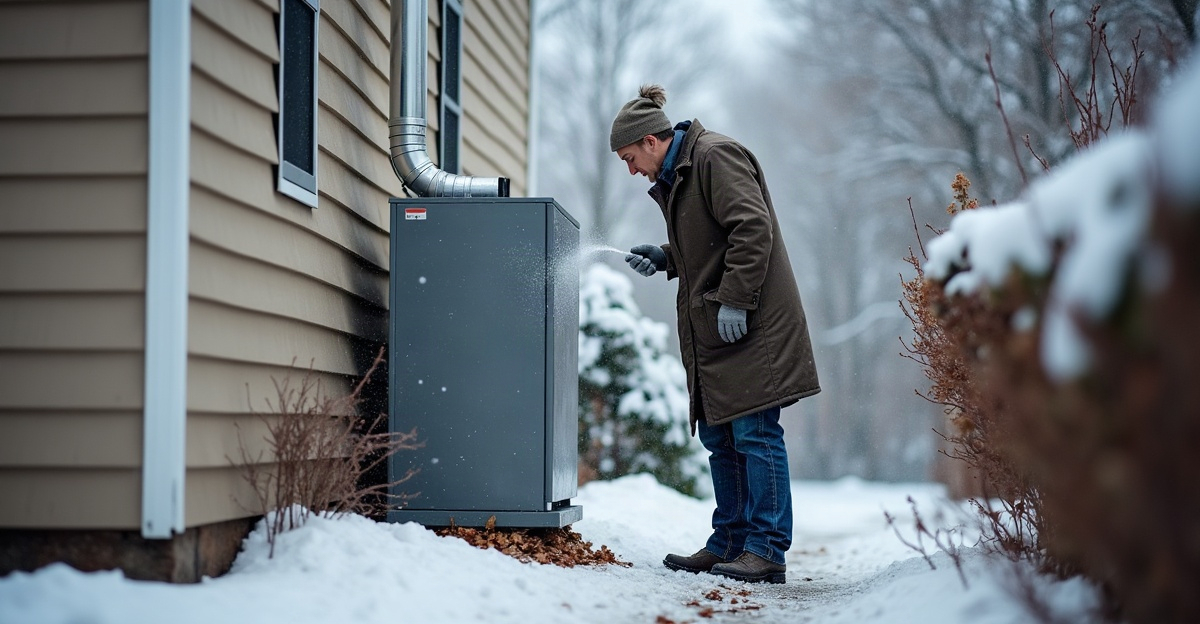
- From a safe, accessible outdoor location, gently clear loose snow, ice buildup around vent openings, leaves, or debris. Do not insert tools into intake or exhaust pipes.
- Look for visible water near the furnace or accessible condensate drain area. Do not disassemble drain parts.
- Record the error-code pattern or message, along with the furnace make and model, before calling.
Never bypass, jumper, tape down, or defeat a pressure switch. Do not repeatedly reset the furnace or cycle its power to force operation. Avoid opening gas lines, testing live electrical components, or taking apart venting or sealed-combustion equipment. Bypassing the switch can create carbon monoxide, fire, exhaust-gas, and equipment-damage risks.
For safe next steps during a complete heating outage, see what to do without heat.
Common Causes a Pressure Switch Stays Open
The exact cause requires an inspection. On high-efficiency furnaces, intake and exhaust vents are often PVC pipes that bring combustion air into the furnace and move exhaust outdoors. Snow, ice, leaves, nests, and other debris can restrict either pipe.
Condensate trouble is another common source of pressure issues. A condensate drain removes water created during high-efficiency furnace operation. Frozen, clogged, or poorly draining lines and traps can interfere with proper furnace operation. Vent pipe blockage, incorrect slope, installation concerns, or drainage issues can also affect draft.
The inducer motor is a small fan that pulls combustion gases through the furnace and out through the exhaust vent. A failing or obstructed inducer may not produce enough draft for the pressure switch to close. Cracked, loose, kinked, or water-filled pressure tubing can create the same error.
Other possible causes include a dirty air filter that contributes to system strain where applicable, electrical connection trouble, damaged wiring, a failed pressure switch, or a control-board problem. Strong wind and severe winter weather can also affect venting performance. Replacing the pressure switch without testing the full system may leave the original issue unresolved.
Can You Reset or Fix a Furnace Pressure Switch Stuck Open?
A reset may clear a temporary fault on some furnaces, but repeated resets are not a repair. Do not use resets to keep a potentially unsafe furnace running. A qualified technician should diagnose the cause before any part replacement takes place.
During service, a technician inspects the diagnostic code, intake and exhaust venting, condensate drainage, inducer operation, pressure tubing, electrical connections, and pressure switch performance. This process confirms whether the switch itself has failed or whether another condition is preventing safe ignition.
Repair cost and timing depend on the confirmed issue, furnace model, part availability, equipment access, and the condition of venting or drainage components. The technician should explain the confirmed problem, available repair options, and any safety concerns before work begins.
For ongoing prevention after repairs, use these furnace maintenance tips and schedule dependable professional heating service before the next cold spell.