
Furnace Pilot Light Keeps Going Out? Common Causes and Fixes
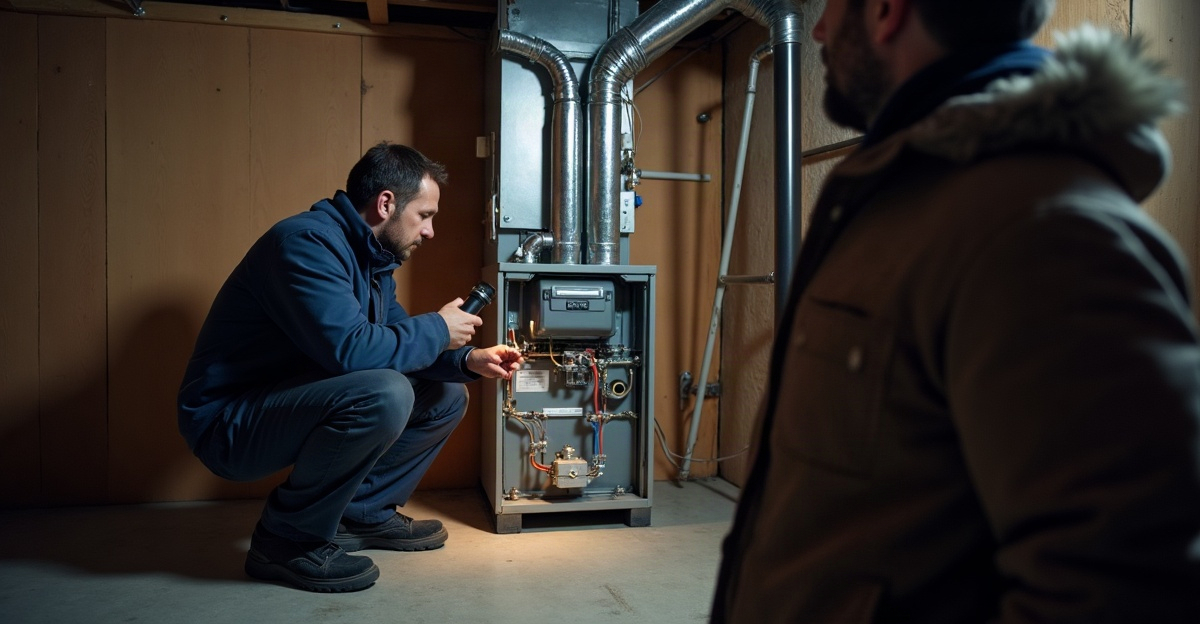
A furnace pilot light can go out if a thermocouple, pilot opening, gas supply, control valve, draft, or venting problem disrupts flame stability. We recommend checking for gas or carbon monoxide warning signs first. Avoid repeated relighting attempts. Arrange prompt professional service if the pilot won’t stay lit or the property has no heat.
Key Takeaways
- Gas odors, hissing sounds, soot, a yellow or flickering flame, carbon monoxide alarms, or illness symptoms require us to leave the building and contact emergency help from a safe location.
- A dirty or failing thermocouple and a blocked pilot opening often cause pilot outages. A qualified technician should test these parts before replacing them.
- Confirm that the furnace uses a standing pilot. Electronic-ignition furnaces require a different diagnostic process.
- Follow the manufacturer’s relighting instructions only when no safety concerns exist. Don’t disassemble furnace components, adjust gas controls, or bypass safety devices.
- Schedule urgent furnace repair for repeated pilot outages, loss of heat, combustion or venting concerns, or frozen-pipe risks during cold weather.
Why a Pilot Light Will Not Stay Lit
A furnace pilot light keeps going out because of a dirty or failing thermocouple, a blocked pilot opening, drafts, gas-supply trouble, a faulty gas control valve, or a combustion or venting concern. Repeated outages need prompt attention because they can leave a home, rental property, or business without safe, dependable heat.
A thermocouple is a safety device used on many standing-pilot furnaces. It senses heat from the pilot flame and helps stop gas flow if the flame goes out. A failed thermocouple is common, but it is not the only answer when a pilot light keeps going out on a furnace.
A pilot issue does not automatically mean furnace replacement is necessary. A qualified inspection can show whether the problem is an isolated part failure or a sign of a larger issue. If the question is, “My furnace pilot light keeps going out, why?” the safest answer is to have the complete ignition and combustion system checked rather than guessing at one part.
Leave Immediately for Gas or Carbon Monoxide Warning Signs
If there is a gas smell, hissing near a gas line, or any reason to suspect a leak, do not relight the pilot. Do not touch electrical switches, use a phone inside the building, start vehicles nearby, or use open flames.
Leave the building immediately, move to a safe location, and contact the gas utility or emergency services. Gas, combustion, and carbon monoxide concerns require professional help before anyone returns to normal furnace operation.
Treat these signs seriously:
- A yellow, lazy, flickering, or sooty flame
- Soot around the furnace
- Unusual exhaust odors
- Headaches, dizziness, or nausea
- A carbon monoxide alarm
- Anyone in the building feeling ill
If a carbon monoxide alarm sounds or symptoms appear, get outside immediately and contact emergency services from a safe location.
Keep carbon monoxide alarms working and follow the alarm manufacturer’s instructions along with local gas utility guidance. We also recommend including CO alarm checks during a furnace safety inspection. Safety comes first, and a technician can determine whether the furnace, venting, or another fuel-burning appliance needs service.
First, Confirm Whether the Furnace Uses a Pilot Light
Not every furnace has a standing pilot light. A standing pilot is a small flame that stays lit and ignites the main burner when the thermostat calls for heat.
Many newer systems use electronic ignition or a hot-surface igniter instead. These systems can show similar no-heat symptoms, but a pilot-light diagnosis may not apply. If the pilot light on a furnace keeps going out, first confirm that the system actually has a continuously burning pilot.
Electronic ignition faults, damaged igniters, control problems, and gas-valve issues need safe testing. We do not recommend attempting repairs to ignition, gas, or furnace control components. A technician can identify the actual cause and avoid unnecessary part replacement.
Common Reasons a Furnace Pilot Light Keeps Going Out
A pilot light furnace keeps going out for several possible reasons. The flame may appear small or weak, or the furnace may shut down shortly after relighting.
Thermocouple and Pilot Flame Problems
A dirty, worn, or failing thermocouple may not sense enough heat from the pilot flame. The gas control then closes as a safety measure, causing the pilot to go out.
A dirty or partly blocked pilot opening can also create a weak flame. That flame may fail to heat the thermocouple correctly. Pilot openings are small and sensitive, so we do not recommend cleaning the pilot orifice without proper training and testing.
Drafts can disrupt the flame as well. Older atmospheric furnaces, damaged access panels, nearby ventilation changes, or unusual airflow around the unit can blow out or weaken the pilot flame.
Gas, Controls, Combustion, and Venting
Gas-supply interruptions or low gas flow may affect the pilot. If other gas appliances are not working normally, the concern may extend beyond the furnace and should be evaluated safely.
A faulty gas control valve or another control issue can prevent the pilot from staying lit even when the thermocouple and flame look normal. Combustion, burner, and venting problems can also affect furnace operation. Watch for soot, unusual odors, or abnormal flame appearance.
A thermocouple often causes repeat pilot outages, but it is never safe to assume that one part is responsible without testing. Learn about other furnace shutdown causes that can affect reliable heating.
Safe Checks to Make Before Scheduling Service
Start with simple checks that do not involve disassembling the furnace.
- Confirm that the thermostat is set to heat and set above the current indoor temperature.
- Check whether other gas appliances are operating normally, but do not attempt to repair them.
- Review the furnace’s printed relighting instructions and follow them exactly.
- Keep the furnace area clear of stored items.
- Check that carbon monoxide alarms are functioning.
Only attempt relighting if there is no gas odor, carbon monoxide concern, or other warning sign. If the pilot fails again, stop repeated relighting attempts and schedule service.
Avoid removing furnace panels, cleaning burners or pilot openings, adjusting gas pressure, bypassing a thermocouple, or changing venting components.
A proper diagnosis includes safety testing, not simply getting the flame to relight. During service, a technician may inspect the thermocouple, pilot assembly, burner operation, gas control components, airflow, venting, combustion performance, and overall furnace condition.
Regular furnace service scheduling and preventative furnace maintenance can help catch developing issues before heat is lost.
When No Heat Needs Urgent Furnace Repair
Schedule professional repair if the pilot will not stay lit, the furnace repeatedly shuts down, the property has no heat, or there are any gas, ignition, combustion, venting, or carbon monoxide concerns.
For no-heat conditions in Methuen, the North Shore, Merrimack Valley, and Southern New Hampshire, we can help with emergency HVAC service and dependable furnace repair service.
Freezing Northeast weather can create frozen-pipe risks, especially in older homes, vacant rentals, and commercial properties. While waiting for service, protect exposed plumbing where safe, open cabinet doors near plumbing to allow warmer indoor air circulation, follow property-specific freeze-protection procedures, and actively monitor vacant buildings.
Landlords and property managers should act quickly to protect tenants, plumbing, and the building.
Repair costs vary based on the failed part, furnace age, access, testing needs, and whether the pilot issue reveals a broader combustion, venting, or gas-control problem. Replacement may be worth considering if a technician finds major safety concerns, recurring failures, obsolete parts, poor reliability, or a repair that does not make practical sense for the system’s age and condition.
We can review furnace replacement options after a full assessment when needed.
Frequently Asked Questions
Why does a furnace pilot light keep going out after relighting it?
The thermocouple may not be sensing sufficient heat, the pilot flame may be restricted or disrupted by airflow, or the furnace may have a gas, control, burner, venting, or combustion issue.
Can we relight a furnace pilot light ourselves?
Follow the manufacturer’s printed instructions only if there is no gas odor, CO concern, or warning sign. Stop if the pilot will not remain lit or if the process does not work as instructed.
Is it dangerous if a furnace pilot light goes out?
A pilot outage itself can happen because of a limited part-related issue, but repeat outages need service because they may point to a safety or reliability concern. Gas odors, soot, unusual flames, and carbon monoxide symptoms require immediate action.
Can a dirty thermocouple cause a pilot light to go out?
Yes. A thermocouple that cannot detect adequate pilot heat may close the gas supply. A technician should inspect and test it rather than bypassing it.
Why is a furnace pilot flame yellow instead of blue?
A yellow, lazy, flickering, or sooty flame can indicate incomplete combustion or a restricted pilot opening. Turn off the furnace if safe to do so, avoid relighting it, and arrange professional service.
Should we call for emergency furnace repair with no heat?
Yes, especially during cold weather, at properties with vulnerable occupants, or where frozen plumbing is a concern. For local help, contact our Methuen HVAC team for prompt guidance and service.