
What to Do If Your AC Is Not Cooling Your Home?
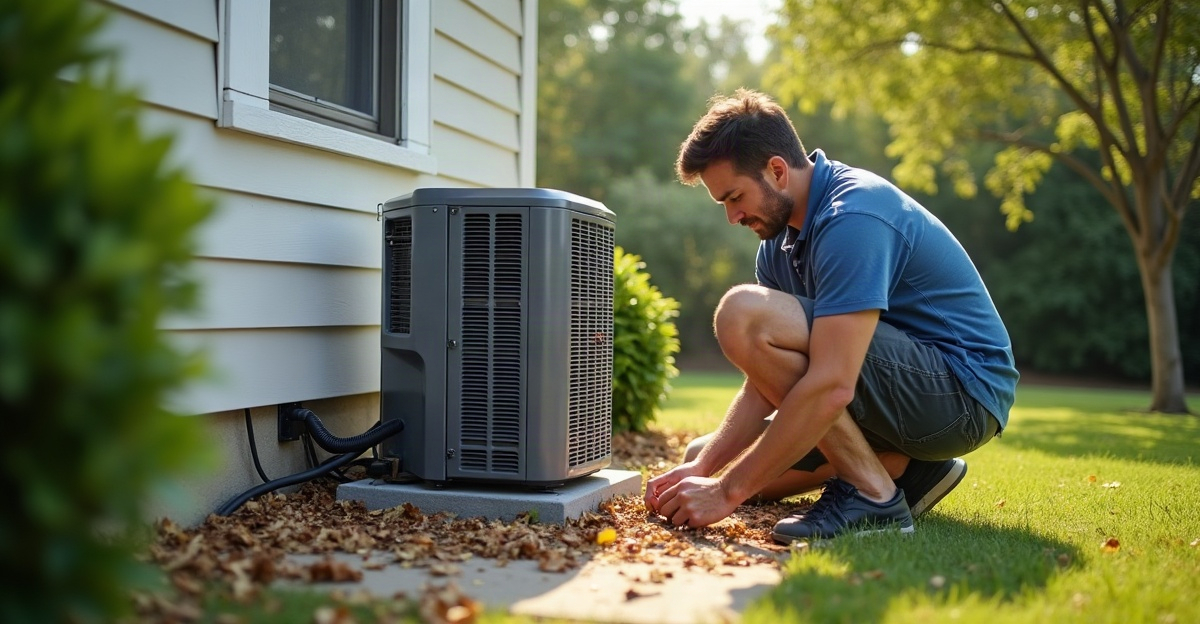
If our AC isn’t cooling, we should begin with safe checks. We confirm the thermostat is set to Cool, replace a dirty filter, open vents, check the breaker once, and clear debris around the outdoor unit. We turn the system off and request prompt HVAC service if we notice ice, burning odors, major leaks, severe noises, no airflow, or a breaker that trips again.
Key Takeaways
- Incorrect thermostat settings, dirty filters, blocked vents, and debris around the outdoor unit can reduce cooling. We can check these issues safely without disassembling equipment.
- We reset a tripped AC breaker only once. We leave it off if it trips again.
- Ice on the unit or refrigerant lines requires us to turn off cooling and arrange a professional inspection.
- We shouldn’t handle wiring, capacitors, refrigerant, or internal AC components. A licensed technician should complete these repairs.
- We should request urgent service during extreme heat or when indoor conditions affect older adults, infants, or people with health conditions.
Take These Safe Steps First When AC Is Running but Not Cooling
If your AC is running but not cooling, first check the thermostat, replace a visibly dirty air filter, confirm vents are open, check for a tripped breaker once, and inspect the outdoor unit for debris. Turn the system off and call a professional if you see ice, smell burning, hear unusual noises, find significant water leakage, or experience repeated breaker trips.
Before troubleshooting, clarify the symptom. If the home feels warmer than usual but air still comes through the vents, the system may not be cooling enough. If airflow is present but feels warm, review our guide on AC blowing warm air. Little or no airflow often calls for service sooner.
Warm air may result from thermostat settings, restricted airflow, a frozen coil, electrical trouble, or refrigerant-related issues. One symptom does not confirm the cause. Hot, humid weather in Methuen, the Merrimack Valley, the North Shore, and Southern New Hampshire puts added demand on cooling equipment and can expose an existing problem.
Some answers to what to do if AC is not cooling are simple and visible. Others require a licensed HVAC technician. Start with safe checks and avoid taking any equipment apart.
Safe AC Troubleshooting Checklist: What You Can Check Without Taking Anything Apart
Quick Safety Checklist
Use these basic checks before scheduling service:
- Thermostat: Set it to Cool and lower the setting below the current indoor temperature. Keep the fan setting on Auto for normal operation. The On setting keeps the blower running continuously, which can move air even while the system is not actively cooling. Replace thermostat batteries if the display is blank, unresponsive, or acting unusually.
- Air filter: Replace a visibly dirty filter with the correct size and type. A clogged filter restricts airflow and can contribute to weak cooling or ice buildup.
- Vents and airflow: Open supply registers and keep furniture, rugs, and curtains away from supply and return vents. Do not close multiple vents to force cooling into other rooms, as this can create airflow problems.
- Electrical panel: Check for a tripped breaker. Reset it once only if it is safe to do so. If it trips again, leave it off and request service.
- Outdoor unit: Clear loose leaves, grass clippings, and debris from around the condenser. Maintain the clearance required by the manufacturer. Do not open the unit, remove panels, or spray internal components.
- Visible warning signs: Look without touching for ice, water leaks, damaged wiring, or unusual conditions around the outdoor unit.
A dirty filter, closed vent, or incorrect thermostat setting may explain reduced cooling. A repeated breaker trip, ice, or water near the indoor equipment may indicate a problem that needs professional attention. If you are unsure what to do if your AC is not cooling, stopping after these checks is the safest choice.
When to Turn the AC Off and Request Urgent HVAC Service
Turn the system off and arrange service if you find ice buildup, smell burning or electrical odors, see smoke, hear loud grinding or banging, notice significant water leaks, experience frequent breaker trips, have no airflow, or find that the system will not shut off properly.
Ice on refrigerant lines or around the indoor coil area is a clear reason to turn cooling off. The evaporator coil is the indoor part that absorbs heat. It may freeze because of airflow trouble or refrigerant-related issues. If the system allows it and airflow is normal, set the thermostat fan to On to help the system thaw while arranging service. Thawing may prevent additional strain, but it does not fix the cause. Learn more about AC freeze-up causes before restarting equipment.
An AC not cooling emergency deserves quick action during extreme heat, especially when older adults, infants, people with health conditions, tenants, customers, or employees are affected. Property managers, landlords, and business owners should act promptly when indoor heat affects comfort or safety.
If smoke or an immediate electrical hazard is present, leave the area and contact emergency services as appropriate. For urgent but non-life-threatening system issues, request emergency HVAC service. If the system is safe but still is not cooling after the basic checks, schedule an AC repair visit.
What May Be Keeping AC From Cooling
Several issues can cause an AC system to run without cooling properly. Thermostat settings, weak batteries, or thermostat faults may prevent normal cooling calls. A dirty filter, blocked return vent, or closed registers can restrict airflow. A tripped breaker or failed electrical component can also affect operation.
Outdoor equipment blocked by vegetation, leaves, or grass clippings may struggle to release heat. Water around the indoor unit or condensate drain area may indicate a drainage issue. A frozen evaporator coil, blower problem, aging equipment, or refrigerant-related issue can also reduce cooling.
Refrigerant concerns may cause weak cooling, warm air, or ice, but a technician must confirm the cause. Review signs of low AC refrigerant for helpful context, then arrange an inspection rather than attempting a repair.
You should never remove access panels, handle refrigerant, touch capacitors or wiring, attempt electrical repairs, bypass a float switch or safety control, or repeatedly reset a breaker. Keep the AC off if it is frozen, produces burning smells, makes severe noises, or keeps tripping power.
What an HVAC Technician Will Check During an AC Repair Visit
A licensed HVAC technician confirms the root cause through an in-person inspection instead of guessing from one symptom. During a visit, the technician can inspect airflow, filter condition, vent operation, thermostat response, indoor coil condition, outdoor equipment, and general system performance.
A technician can also test electrical components safely, inspect the condensate drain, identify water-related issues, and check for mechanical or refrigerant-related concerns. If the system has stopped without warning, our information on sudden HVAC failure can help explain why prompt service matters.
Repair needs depend on the system’s condition, the root cause, and part availability. After the inspection, we will explain whether repair, maintenance, or replacement is the most reasonable next step. We believe in clear pricing, honest recommendations, and no pressure for work that is not needed. Schedule trusted AC cooling service for a clear diagnosis and dependable repair options.
How to Prevent Future Cooling Problems and When to Call
Regular care helps reduce surprise cooling failures. Replace filters on schedule, keep the outdoor unit free of leaves and vegetation, and leave supply and return vents open and clear. Use a sensible thermostat setting and address drainage concerns promptly. Seasonal maintenance before peak cooling weather gives technicians a chance to find small concerns before they interrupt comfort.
AC running but not cooling may be caused by something as simple as a dirty filter or something that requires service. What to do when AC is not cooling depends on the warning signs. Turn the system off for ice, burning odors, severe noise, major leaks, or repeated breaker trips. Call promptly for no airflow or unsafe indoor heat.
For common questions, the answers are straightforward:
- A dirty filter can restrict airflow enough to weaken cooling and contribute to freezing.
- Ice means cooling should be turned off while the equipment thaws and receives professional inspection.
- A breaker that trips again after one reset needs service, not repeated resets.
- AC not cooling becomes urgent during severe heat or when vulnerable occupants are affected.
If your AC still is not cooling after these safe checks, or you see ice, leaks, unusual noises, or repeated breaker trips, schedule professional AC repair in Methuen and surrounding Merrimack Valley, North Shore, and Southern New Hampshire communities.