
AC Drain Line Clogged? Common Causes and Fixes
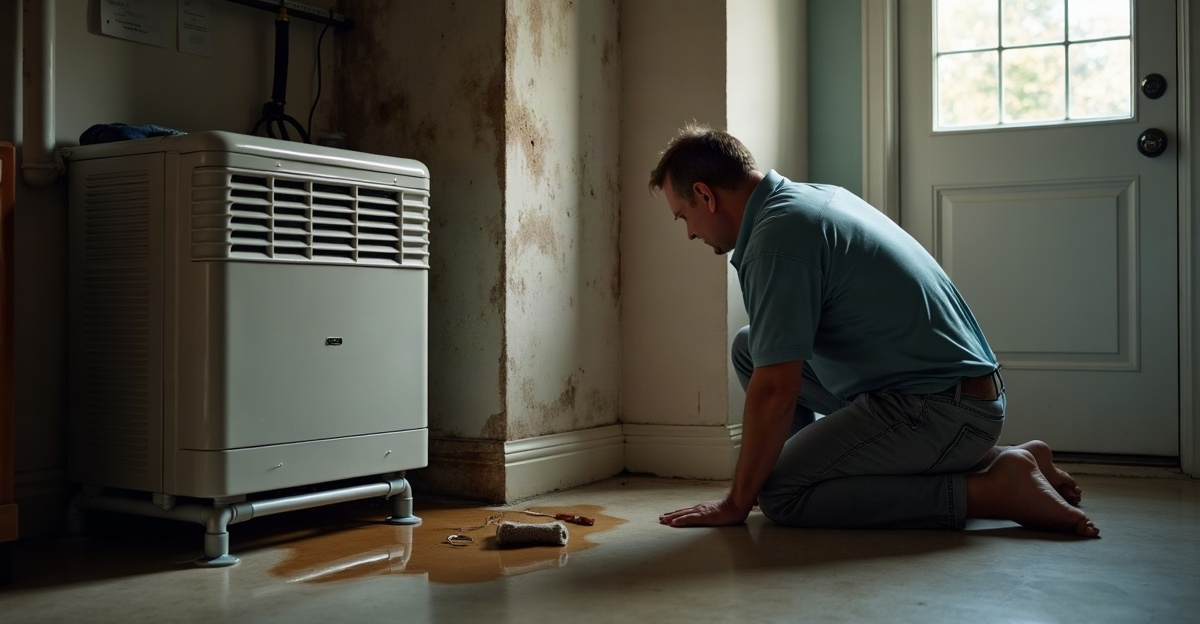
A clogged AC drain line can collect algae, debris, or sediment. It can cause leaks, musty odors, high humidity, and an automatic shutdown after the drain pan fills. We recommend turning off the system if water appears. Avoid electrical components and harsh cleaners. Schedule prompt service to determine whether a blockage, failed pump, frozen coil, or damaged drain component causes the issue.
Key Takeaways
- Water near the indoor unit, an overflowing drain pan, musty odors, and unexpected shutdowns often signal a drainage issue.
- Active leaks, standing water, ceiling or wall stains, and water near electrical components require urgent HVAC service.
- A clogged line isn’t the only cause of AC leaks. Frozen coils, damaged pans, disconnected piping, poor drain slope, and pump failure can cause similar symptoms.
- Don’t bypass float switches, dismantle the unit, use caustic drain cleaners, or run the AC while water backs up.
- Regular filter changes, clear outdoor drain outlets, and annual drain system inspections can prevent recurring clogs and water damage.
What to Do Right Now if Your AC Is Leaking or Has Stopped Running
A clogged AC drain line can cause water to back up near the indoor unit, trigger a safety shutoff, create musty odors, and contribute to property damage. Condensate is the moisture an air conditioner removes from indoor air, and the condensate drain line carries that water safely away from the indoor system.
If water is leaking or pooling near the air handler, furnace, or indoor AC equipment, turn the thermostat and AC system off right away. Don’t run the system again until we identify where the water is coming from. Continued operation can allow an AC clogged drain line to overflow further or hide another issue that needs repair.
Keep water away from electrical components. If conditions are safe, move nearby belongings and protect flooring or furniture from water. Avoid opening electrical panels, removing equipment covers, or trying to dismantle the indoor unit.
Active leaks, standing water, water stains near ceilings or walls, and an AC that won’t restart all call for prompt service. Our emergency HVAC service helps address urgent cooling and water-related issues before damage spreads. A quick inspection can confirm whether a clogged AC drain line is the cause or whether another AC problem needs attention.
Signs Your AC Drain Line May Be Clogged
Water around the indoor air handler or furnace is one of the clearest AC drain line clogged symptoms. Shut the system off and look for visible pooling around the equipment, but don’t remove panels or disconnect piping to investigate further.
A full or overflowing drain pan can also point to a drainage problem. Water may not be moving through the drain line, condensate trap, or pump as it should. Some systems use a float switch that stops the AC when water rises too high in the pan. This safety feature helps prevent overflow, so leave the system off if it has shut down and water is present.
Musty odors near vents or the indoor unit may develop when standing water and buildup remain in the drain system. Our guide to musty HVAC odors explains when odors point to a problem that needs professional attention.
Higher indoor humidity, reduced comfort, and unexpected shutdowns can also occur with a clogged drain line AC issue. However, these symptoms can have other causes. Water stains on ceilings or walls near an attic, closet, or upper-level system need urgent attention, especially when the equipment sits above finished living space.
A proper diagnosis matters because water near an AC unit doesn’t always mean the drain line alone is blocked.
Why Condensate Drain Lines Clog—and Problems That Can Look Similar
Condensate lines handle water throughout the cooling season, so buildup can develop over time. Algae or biofilm, mold-like growth, dust, dirt, organic debris, rust, and sediment can restrict the line. Construction debris may also enter an exposed outlet or open drain connection.
A blocked condensate trap can stop water from draining even if the line itself remains mostly clear. Drain piping may also become damaged, disconnected, improperly sloped, or partially crushed. Systems with condensate pumps can overflow when the pump fails, loses power, or cannot move water out of the reservoir.
If the line, trap, pan, or pump has a problem, water can back up into the equipment. Yet a water leak doesn’t always mean there is a clogged AC drain line. Several other AC issues can create similar symptoms.
A frozen evaporator coil can thaw and release a large amount of water into the pan. Restricted airflow, dirty filters, blower concerns, and refrigerant-related problems may cause freezing. Ice on the coil, weak airflow, or a loss of cooling means we should turn the system off and arrange an inspection instead of assuming the drain line is the only issue. Review common AC freeze-up causes for a closer look at this problem.
Cracked, rusted, misaligned, or damaged drain pans can leak even with a clear line. Disconnected drain piping, incorrect trap configuration, poor drain slope, and a failed condensate pump can do the same. An AC running without cooling may also have a separate cooling fault alongside the drainage issue. Our information on an AC running but not cooling can help explain what to watch for before service arrives.
Safe Checks We Can Make—and What Not to Do
DIY checks should stay limited. They aren’t appropriate for inaccessible drain lines, repeat clogs, water damage, electrical concerns, frozen coils, or any situation where the cause is unclear.
Start by turning the system off if there is an active leak. Check for visible water around the unit and look at the exterior drain outlet for obvious dirt, mulch, leaves, or debris. Don’t insert tools deeply into the line or pull piping apart. If the system has an accessible condensate pump reservoir and its operation is familiar, look for a visibly full reservoir or overflow.
A wet/dry vacuum may help with a simple blockage only when the drain termination is safely accessible and the process is familiar. Follow manufacturer-approved maintenance instructions for the specific equipment. Basic cleaning won’t correct a deep blockage, damaged line, improper trap, poor slope, or failed pump.
Avoid shortcuts that can make the problem worse:
- Don’t pour caustic drain cleaners into the condensate line.
- Don’t mix cleaning products, including bleach and vinegar.
- Never bypass a float switch, remove electrical panels, or dismantle the indoor unit.
- Don’t keep running the AC in hopes that water will drain on its own.
Improper cleaning can damage components, create electrical hazards, and allow water damage to continue. For dependable diagnosis and repair, arrange professional AC repair when the cause isn’t immediately clear.
When Professional HVAC Service Is the Safest Next Step
Call for service right away when there is an active leak, standing water, ceiling or wall damage, or water near electrical components. We also recommend immediate inspection if the AC has shut down because of a float switch, the drain clogs keep returning, or a condensate pump is overflowing or not running.
Professional service is the right choice when the location of the line, trap, or cleanout is uncertain. Ice on the coil, weak airflow, warm air, or loss of cooling also requires more than a basic drain cleaning. Our guide to AC blowing warm air covers several cooling concerns that can appear alongside drainage problems.
During an inspection, we check the drain pan, trap, line, float switch, and condensate pump. We identify the blockage location and check the condition, slope, and connections of the drain system. We also look for frozen coils, damaged pans, incorrect drainage setup, and pump failure that may be contributing to the leak.
We clear the blockage with appropriate equipment, confirm proper drainage, and test system operation. If a pump needs attention, we’ll explain the needed condensate pump repair clearly before work begins. The right repair depends on the location of the clog, system configuration, component condition, pump operation, and any existing water damage. We recommend only the work needed to restore safe drainage and reliable cooling.
For service in the Merrimack Valley and nearby communities, we’re ready to help with HVAC services in Methuen, North Andover HVAC service, Tewksbury AC service, and Salem HVAC service. If the AC is leaking, has shut off, or keeps developing drain clogs, schedule an HVAC inspection to identify the cause before water damage spreads.
How to Prevent Repeat Drain Clogs and Protect Your Property
Regular filter changes support proper airflow and reduce the dust that can collect around indoor equipment. Clean or replace filters on the schedule recommended for the system and household conditions. Poor airflow can contribute to coil freezing, excess water, and drainage concerns.
Annual service before cooling season gives us a chance to inspect and clean the drain line, trap, pan, float switch, and condensate pump. Learn how often AC service is needed and what a professional tune-up should include. Our overview of an AC maintenance visit also explains how routine checks help prevent surprise breakdowns.
Keep the exterior drain outlet clear of leaves, mulch, dirt, and other debris. Address musty odors, humidity concerns, recurring cooling trouble, and drainage problems early. Repeat clogs can signal ongoing buildup, a drainage setup problem, a pump issue, poor airflow, or another condition within the AC system.
Common Questions About AC Drain Clogs
Can a clogged AC drain line cause the AC to stop working?
Yes. Many systems use a float switch that shuts the AC down when water rises in the drain pan. This protects the property from an overflow.
Is water leaking from an AC always a clogged drain line?
No. A frozen coil, damaged pan, disconnected piping, failed condensate pump, or improper drain setup can also cause leaks.
Can we use vinegar or bleach in an AC drain line?
We recommend avoiding bleach and mixed cleaning products. Follow the manufacturer’s approved guidance or have a technician clean the system safely, especially if there is a recurring clog or uncertain drainage setup.
How urgent is an AC drain line clog?
Treat any active leak, standing water, ceiling stain, electrical concern, or AC shutdown as urgent. Shut the system off and arrange service promptly.
Why does an AC drain line keep clogging?
Repeat clogs may result from ongoing buildup, a blocked trap, poor line slope, a damaged pipe, pump trouble, or an AC issue that creates excess water. A full inspection finds the underlying cause instead of treating the same symptom repeatedly.
Can a clogged drain line cause mold or musty odors?
Standing water and debris can contribute to musty odors and unwanted growth around the drainage system. Early cleaning and repair help protect indoor comfort and reduce the chance of water damage.