
Heat Pump Freezing Up in Winter? Signs of a Defrost Problem
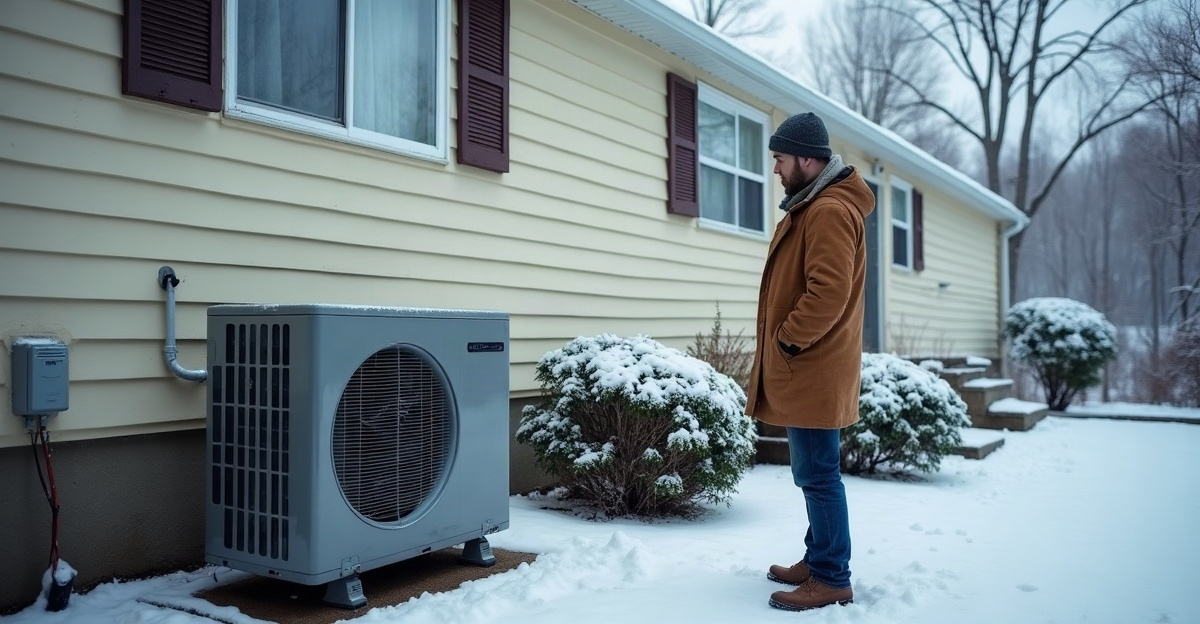
A heat pump may develop light frost during cold, damp winter weather. We consider this normal if the defrost cycle clears the coil and restores heating. Thick ice that remains after defrost can signal a fault. We recommend prompt service if the system cannot clear the ice.
Key Takeaways
- Light, even frost and brief steam during defrost are normal. The unit clears the coil and returns to heating.
- Heavy ice on the coil or cabinet, fast-returning ice, and poor indoor comfort can indicate a defrost, airflow, drainage, or mechanical problem.
- We can safely clear loose snow and debris, check the thermostat and filter, and keep the area around the outdoor unit open.
- We should not chip ice, use hot water or heat sources, remove panels, or repeatedly reset a tripped breaker.
- We should shut down the system if ice fully covers it or if it produces burning odors, smoke, sparks, or loud alarming noises. We should then contact an HVAC professional urgently.
Normal Frost vs. a Defrost Problem
A thin, even layer of frost on an outdoor heat pump can be normal during cold, damp weather. However, thick ice, ice that remains after defrosting, blocked airflow, or poor indoor heating needs professional attention.
Winter weather in Methuen, the Merrimack Valley, the North Shore, and Southern New Hampshire can create frequent frost on outdoor equipment. Still, a heat pump freezing up in winter should clear itself through normal defrost operation. A system covered in heavy ice is not simply normal for this area.
Normal frost is usually light and spread evenly across the outdoor coil. The unit will periodically clear it, the outdoor fan may pause for a short time, and brief steam may rise as the frost melts. Indoor heating should return to normal once the cycle ends.
A defrost problem is more likely when the outdoor coil or cabinet becomes encased in ice, ice returns soon after a defrost cycle, or the system delivers weak heat indoors. Other warning signs include unusual sounds, pooling water that freezes around the unit, repeated breaker trips, constant auxiliary heat operation, and unexpectedly higher energy bills.
A useful normal-frost-versus-heavy-ice graphic should show light frost across the coil beside a unit with thick ice blocking coil fins and airflow. Descriptive alt text: “Normal light frost on an outdoor heat pump coil compared with heavy ice covering the coil and cabinet.”
If an outside heat pump freezing up in winter still heats well and clears frost on its own, keep an eye on it. If the ice remains, returns often, or affects comfort, we recommend scheduling service before the issue puts more strain on the system.
What to Do Now—and What Not to Do
Safe checks can help us identify whether a simple airflow issue is contributing to the problem. They will not confirm a failed component, but they can protect the equipment while we arrange service.
Safe Checks Before Calling
Start with these simple steps:
- Confirm the thermostat is set to Heat and above the current room temperature.
- Inspect or replace a dirty return-air filter if the system uses one.
- Gently remove loose snow, leaves, branches, and debris from around the outdoor unit.
- Make sure snowbanks, stored items, and landscaping are not blocking airflow.
- Watch for a defrost cycle and note whether the ice clears or returns afterward.
- Check for a tripped breaker only if it is safe. Do not repeatedly reset a breaker that trips again.
- Use the backup heating source according to the system instructions while arranging service.
- Check the owner’s manual for model-specific clearance, thermostat, and defrost guidance.
Do not chip ice with a screwdriver, hammer, ice pick, shovel, or other sharp object. Do not use a heat gun, torch, open flame, or space heater on the outdoor unit. Avoid pouring boiling or very hot water on the equipment. We also recommend leaving panels, wiring, and defrost controls alone.
Sharp tools can bend delicate coil fins or puncture refrigerant lines. Heat sources and hot water can damage wiring, create electrical hazards, or cause water to refreeze in the wrong area. Do not keep operating a unit that is fully encased in ice or making alarming noises.
For homeowners wondering how to fix heat pump freezing up in winter, the safest answer is to restore airflow where possible and arrange a diagnostic visit if ice remains after defrosting. Regular checks from an HVAC maintenance checklist can also reduce preventable airflow problems.
What a Normal Defrost Cycle Looks Like
A defrost cycle is the heat pump’s method of removing frost from the outdoor coil so it can keep transferring heat efficiently. In cold, damp conditions, frost can collect as the unit pulls heat from outdoor air.
During defrost, the outdoor fan may stop temporarily. The heat pump may shift modes for a short period, and steam may rise from the outdoor unit as frost melts. After the cycle finishes, the system should return to normal heating and the coil should no longer have a heavy frost buildup.
Brief steam is often normal and should not be confused with smoke. A burning smell, visible smoke, sparking, repeated breaker trips, or other electrical symptoms are not normal. Turn off the system if it is safe to do so, use available backup heat, and request prompt help.
A simple defrost-cycle visual can show frost collecting on the coil, the fan pausing during defrost, steam rising as ice melts, and the unit returning to heating. Descriptive alt text: “Outdoor heat pump entering defrost mode, melting light frost, and returning to normal heating operation.”
If a heat pump outside unit freezing up in winter does not clear during its normal cycle, a technician should test the system. We can determine whether the issue involves defrost operation, airflow, drainage, or another concern.
Why an Outside Heat Pump May Freeze Up in Winter
Several possible causes can lead to ice buildup, and no single symptom confirms a failed part remotely. A technician can inspect the unit and test its controls before recommending a repair.
A defrost control board or timer issue may prevent the system from starting defrost at the right time. A faulty defrost sensor or temperature sensor can also send incorrect information to the equipment. In some cases, a reversing-valve malfunction may keep the system from shifting properly during defrost.
Airflow matters as well. Snow, leaves, ice, or nearby obstructions can restrict air movement around the outdoor coil. A dirty indoor air filter or other indoor airflow restriction may also affect performance. Review our guide on heating not working for additional safe checks when comfort drops indoors.
Drainage can contribute to repeated freezing. Melted water may refreeze around the base of the unit or near the coil if it cannot drain away properly. Refrigerant-related concerns, installation conditions, missed maintenance, and other mechanical problems may also cause an outside heat pump freezing up in winter.
A qualified HVAC technician should inspect electrical controls, sensors, refrigerant performance, airflow, drainage, and the full defrost sequence. Heavy ice does not automatically mean the system needs replacement. Proper testing helps us identify the actual cause and make an honest repair recommendation.
For systems that have repeated seasonal issues, we can also help compare long-term heating options through our heat pump vs. furnace guide without pushing replacement before a diagnosis.
When to Schedule Repair and When to Seek Urgent Help
Schedule heat pump repair soon if frost or ice repeatedly returns after defrost, indoor temperatures feel inconsistent, or auxiliary heat runs much more than usual. Visible drainage and refreezing, increasing noise, and declining efficiency also deserve attention before the issue worsens.
Prompt assistance is appropriate when the unit is fully encased in ice or cannot move air through the coil. Act quickly if there is no heat indoors while temperatures are dropping, especially where young children, older adults, pets, tenants, or other vulnerable residents could face unsafe conditions.
Repeated breaker trips, burning odors, smoke, sparking, or suspected electrical damage require urgent contact. Loud grinding, banging, or screeching noises also call for the system to be shut down if safe and checked as soon as possible. Businesses should arrange service promptly if heating problems prevent safe, comfortable conditions for employees or customers.
A frozen heat pump often needs prompt service, but it is not automatically a 911 emergency. Follow local emergency guidance if indoor temperatures become unsafe or if there is an electrical or fire hazard.
For urgent heating concerns after regular hours, contact our emergency HVAC service team. If the heat pump remains iced over after defrosting, is not heating a home or business, or shows electrical warning signs, we can arrange a diagnostic visit across Methuen, the Merrimack Valley, the North Shore, and Southern New Hampshire. Our Methuen HVAC technicians provide clear explanations and straightforward next steps.
Common Questions About Frozen Heat Pumps
Last reviewed: October 2026. Reviewed by the JP HVAC heating service team.
Is It Normal for a Heat Pump to Have Frost in Winter?
Yes. Light frost can be normal during cold, damp weather if the system enters defrost mode and clears itself.
Why Is My Heat Pump Freezing Up in Winter?
Persistent ice may relate to defrost controls, sensors, airflow restrictions, drainage, refrigerant-related concerns, or other mechanical issues that require testing.
Why Is My Outside Heat Pump Freezing Up in Winter?
Snow, ice, damp weather, blocked airflow, refreezing water, or a defrost-system issue may contribute.
How Often Should a Heat Pump Go Into Defrost Mode?
There is no single correct schedule. Frequency varies with outdoor weather and manufacturer guidance. The important point is that the system clears frost and returns to normal heating.
Is Steam From an Outdoor Heat Pump Normal?
Brief steam during defrost is often normal. Smoke, burning odors, sparking, or electrical issues are not normal and need urgent attention.
Can We Pour Warm Water on a Frozen Heat Pump?
Do not pour boiling or very hot water on the equipment. Avoid using heat sources, tools, or sharp objects to melt or remove ice.
Should We Turn Off a Heat Pump Covered in Ice?
Do not keep operating a unit that is completely encased in ice or making alarming noises. Use backup heat according to the system instructions and arrange service.
Does a Frozen Heat Pump Mean Replacement Is Necessary?
No. A technician should diagnose the cause before discussing repair or replacement. If the whole system stops unexpectedly, our guide to an HVAC system stopping suddenly explains what to check safely before service arrives.
For dependable heating diagnostics, repairs, and seasonal service, contact our HVAC team. We’ll assess the issue carefully, explain the findings plainly, and help restore reliable heat as quickly as possible.