
How Long Does It Take to Cool a House After AC Repair?
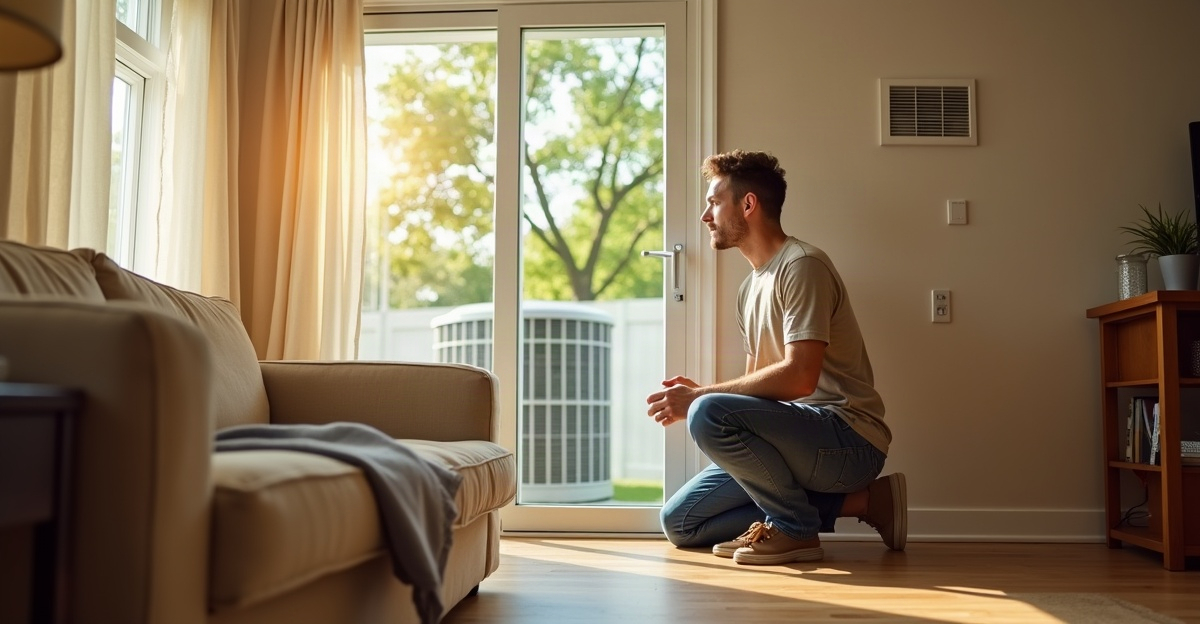
How long it takes to cool our house after AC repair depends on outdoor heat, humidity, the starting indoor temperature, airflow, and our home’s layout. Recovery usually takes several hours, not minutes. A working system should supply cool air, steadily lower the indoor temperature, and remove humidity as it recovers.
Key Takeaways
- We may notice a temperature drop within one or two hours. A hot house can need several hours or more to reach the thermostat setting.
- Long AC cycles can be normal after an outage, especially in hot, humid conditions. The indoor temperature should continue to drop.
- Lowering the thermostat far below the target temperature won’t cool our house faster. We should choose “Cool,” use a reasonable setting, and set the fan to “Auto.”
- We should keep windows and doors closed, clear supply vents and return grilles, check the filter, limit indoor heat sources, and remove debris from around the outdoor unit.
- We should request prompt service follow-up if our home shows no meaningful cooling after several hours, vents blow warm air, or we notice ice, water leaks, unusual sounds, breaker trips, burning odors, or electrical buzzing.
How Long to Cool House After AC Repair?
If we are wondering how long to cool house after AC repair, we should usually expect gradual improvement over several hours. The exact recovery time depends on how warm the home became while the system was not working.
A house that is only a few degrees above the thermostat setting may cool fairly quickly. A home that reached the upper 80s or 90s may take much longer.
After a repair, the air conditioner must cool more than just the air. It also has to remove heat stored in walls, floors, ceilings, furniture, and other materials.
Professional cooling services can help determine whether a system is recovering normally or still has a performance problem.
What Is a Normal Cooling Rate After AC Repair?
There is no single cooling rate that applies to every house. However, we should normally see steady progress once the repaired system begins operating correctly.
In many homes, the indoor temperature may start dropping within the first hour or two.
The system may then continue running for several hours before reaching the thermostat setting.
A Small Temperature Difference
If our home is only two to five degrees above the desired temperature, recovery may be fairly quick.
The system still needs enough time to remove both heat and humidity.
A Very Hot House
If the air conditioner was off for most of the day, the home may contain a large amount of stored heat.
Floors, walls, furniture, and attic spaces can continue releasing heat even after cool air starts circulating.
In this situation, several hours of continuous operation may be normal.
Why Does an AC Take Time to Cool the House?
An air conditioner does more than blow cold air. It removes heat and moisture from the indoor environment.
Several factors can slow the recovery process.
Outdoor Temperature
The hotter it is outside, the harder the system has to work.
When outdoor temperatures are extreme, heat continues entering through windows, doors, walls, and the roof while the AC is trying to cool the home.
Indoor Humidity
High humidity can make cooling feel slower.
The air conditioner removes moisture as it runs. A humid home may feel warmer even while the thermostat temperature is beginning to fall.
Starting Indoor Temperature
A house at 78°F has less heat to remove than one at 90°F.
The larger the difference between the indoor temperature and thermostat setting, the longer recovery can take.
Home Size and Layout
Large homes usually require more time to cool.
Multiple floors, vaulted ceilings, closed rooms, poor insulation, and long duct runs can also affect how quickly conditioned air reaches each area.
AC System Size and Condition
An air conditioner must be properly sized for the home.
A system that is too small may struggle during very hot weather. A system with airflow or mechanical problems may also take much longer than expected.
For broader concerns involving airflow, thermostats, controls, or system performance, HVAC general services can help identify the cause.
Should the AC Run Constantly After a Repair?
Long cooling cycles can be normal after the system has been off for several hours.
The AC may run continuously while it brings the house back toward the thermostat setting.
We should pay attention to whether the temperature is actually decreasing.
A long cycle is less concerning when:
- Cool air is coming from the vents
- Indoor temperature is gradually falling
- Humidity is improving
- The outdoor unit is operating normally
- No unusual sounds or odors are present
If the system runs for hours without making meaningful progress, further inspection may be needed.
Should We Lower the Thermostat to Cool Faster?
Setting the thermostat much lower will not make a standard air conditioner cool the house faster.
For example, setting the thermostat to 60°F instead of 72°F does not usually make the system produce colder air.
It simply tells the system to keep running longer.
A better approach is to choose a comfortable target temperature and allow the system to recover gradually.
We should also make sure the thermostat is set to Cool and the fan is set to Auto.
How Can We Help the House Cool Faster?
We can reduce the load on the air conditioner while it recovers.
Helpful steps include:
- Keep exterior doors and windows closed.
- Close blinds or curtains on sunny windows.
- Make sure supply vents are open and unobstructed.
- Keep return-air grilles clear.
- Check the air filter and replace it if needed.
- Avoid using ovens and other heat-producing appliances.
- Run ceiling fans to help circulate conditioned air.
- Keep the area around the outdoor condenser clear.
- Avoid frequent thermostat adjustments.
These steps will not increase the AC’s cooling capacity, but they can reduce unnecessary heat gain.
When Should We Call the HVAC Company Again?
After an AC repair, the system should show clear signs of improvement.
We should contact the technician if the house does not cool meaningfully after several hours or if the original problem returns.
Warning signs include:
- Warm or room-temperature air from the vents
- Little or no airflow
- Ice on refrigerant lines or the indoor coil
- Water leaking around the indoor unit
- Repeated breaker trips
- Loud buzzing, grinding, or rattling
- A burning or electrical smell
- Short cycling
- A thermostat temperature that does not decrease
A follow-up visit can determine whether there is another problem with refrigerant, airflow, electrical components, controls, or drainage.
JP Heating & Cooling Services can help homeowners evaluate cooling problems and determine whether additional repair is needed.
When Is an AC Problem an Emergency?
Some cooling issues require faster attention.
Electrical odors, repeated breaker trips, smoke, loud electrical buzzing, or significant water near electrical equipment should not be ignored.
We should shut the system off if operating it appears unsafe.
Loss of air conditioning can also become urgent when extreme heat puts children, older adults, pets, or other vulnerable occupants at risk.
In these situations, professional emergency HVAC services can provide timely support.
Frequently Asked Questions
How many degrees should an AC cool a house per hour?
There is no fixed number that applies to every home. Outdoor temperature, humidity, insulation, system size, and indoor heat all affect the cooling rate. We should look for steady temperature improvement rather than expect an exact hourly drop.
Is it normal for an AC to run for hours after repair?
Yes. Long cycles may be normal if the home became very warm while the system was not working. The important sign is that the AC is producing cool air and the indoor temperature is gradually falling.
Why is my house still warm after the AC was fixed?
The home may still contain heat stored in walls, furniture, floors, and other materials. High outdoor temperatures and humidity can also slow recovery. If there is little improvement after several hours, we should request a follow-up inspection.
Can I make my AC cool the house faster?
We cannot force a standard AC to cool faster by lowering the thermostat. However, we can close doors and windows, block direct sunlight, keep vents clear, use ceiling fans, and limit indoor heat sources.
When should I worry after an AC repair?
We should be concerned if the system blows warm air, stops cooling, develops ice or leaks, makes unusual noises, trips breakers, or produces burning smells. These symptoms can indicate that another repair is needed.
Give Your AC Time to Recover After a Repair
Cooling a hot house after an AC repair is usually a gradual process. The system needs time to remove heat and humidity from both the air and the materials inside the home.
Steady cooling is a good sign. A system that runs without lowering the temperature may need another inspection.
JP Heating & Cooling Services can help diagnose cooling concerns and make sure your system is operating properly. To schedule service or discuss a recent repair, contact us today.