
How Long Does a Boiler Last in Massachusetts Homes?
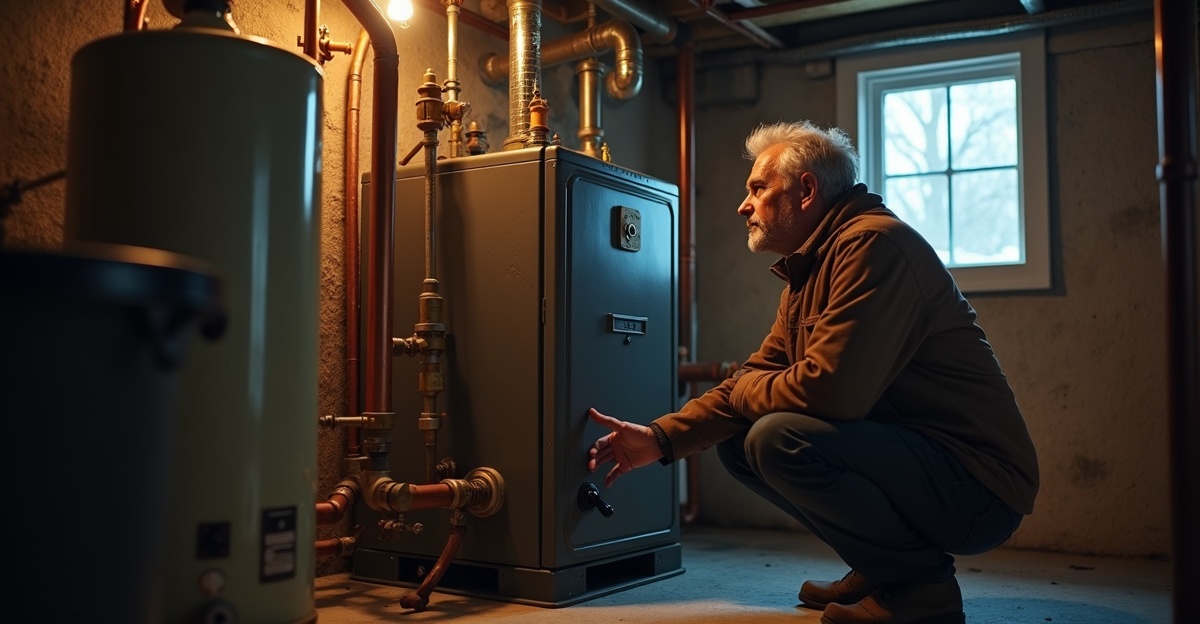
Many homeowners ask how long a boiler lasts in Massachusetts homes, especially when systems run five to six months each year through long, freezing winters. We see most boilers last 15 to 25 years in this climate. Cast iron and steam systems often reach 20 to 30 years. High-efficiency condensing units usually average 15 to 20 years, depending on maintenance, installation quality, and workload.
Key Takeaways
- We find that most Massachusetts boilers last 15 to 25 years, but heavy winter use can shorten lifespan without proper care.
- Cast iron and steam boilers often reach 20 to 30 years, while high-efficiency condensing models typically last 15 to 20 years.
- We know that annual maintenance, correct sizing, and professional installation directly impact how long a system runs safely and efficiently.
- Hard water, aging piping, and neglected components like pumps and valves reduce system life.
- If a boiler operates past 15 to 20 years or faces a repair costing 50% or more of replacement, we recommend a professional inspection to determine the smartest next step.
What Most Massachusetts Homeowners Can Expect From Their Boiler
Most boilers in Massachusetts homes last 15 to 25 years. The exact lifespan depends on the type of boiler, how well it’s maintained, installation quality, and how hard it works through our long winters.
When we talk about how long a boiler usually lasts in a home in cold climates like New England, we have to factor in workload. Boilers here often run 5 to 6 months a year. That constant demand can shorten lifespan compared to homes in milder states.
There’s no single fixed number. A properly installed and maintained system can run safely and efficiently for decades. On the other hand, poor maintenance or incorrect sizing can cut years off its life.
Regular service makes a big difference. If we’re unsure about a system’s age or condition, a quick inspection gives clear answers fast. In many cases, we can tell right away whether the boiler still has strong years ahead or if it’s starting to decline.
For a deeper understanding of system basics, our guide on how a boiler works explains the components that affect longevity.
How Lifespan Changes by Boiler Type
Not all boilers age the same way. The materials, design, and efficiency level all influence how long a system will last.
Cast Iron Hot Water Boilers
Cast iron hot water boilers often last 20 to 30 years when properly maintained. They’re known for durability and are common in older Massachusetts homes. The heavy heat exchanger holds up well through years of heating cycles. Many homes in Methuen, the North Shore, Merrimack Valley, and Southern New Hampshire still rely on these proven systems.
With annual cleaning and proper water pressure management, these boilers can outlast many newer systems.
Steam Boilers and High-Efficiency Condensing Boilers
Steam boilers also often last 20 to 30 years. However, maintenance and correct piping are critical. Improper near-boiler piping or neglected water-level controls can reduce lifespan quickly. Many older New England homes still operate on steam, and when maintained properly, they remain dependable.
High-efficiency condensing boilers typically last 15 to 20 years. They extract more heat from exhaust gases, which improves fuel efficiency. That added efficiency comes from additional components like advanced heat exchangers and sensors. Those parts require consistent, professional maintenance. With proper care, these systems deliver excellent performance throughout their lifespan.
Older home infrastructure can also influence system life. Aging radiator piping, outdated venting, and untreated water conditions can affect both traditional and high-efficiency equipment.
What Shortens or Extends a Boiler’s Life in Massachusetts
Several key factors determine whether a boiler reaches the higher end of its lifespan or struggles early.
Maintenance is the biggest one. Annual tune-ups significantly extend system life and improve efficiency. Skipping service is one of the fastest ways to reduce longevity. In our climate, yearly service isn’t optional — it’s protection against mid-winter breakdowns. Routine inspections through our heating services keep systems clean, calibrated, and safe.
Water quality also matters. Hard water can cause mineral buildup inside the heat exchanger. Over time, that scale reduces efficiency and stresses internal components.
Installation quality plays a major role. Proper sizing, venting configuration, and professional setup are critical. An oversized boiler short cycles. An undersized one runs constantly. Both conditions increase wear.
Winter workload adds strain as well. Sub-freezing temperatures push pumps, burners, and electronic controls for months at a time. That extended demand is part of life in Massachusetts.
Component wear is normal as systems age. Expansion tanks, circulator pumps, air vents, and valves often fail before the boiler block itself. Replacing those parts promptly helps preserve the entire system.
From what we see in the field, boilers that are cleaned and inspected yearly in New England climates consistently outlast neglected systems. The difference is clear over time.
Warning Signs Your Boiler May Be Nearing the End
As boilers age, they usually give warning signs. Catching them early prevents bigger surprises.
- Frequent breakdowns or multiple service calls in one winter
- Rising energy bills without a change in fuel rates
- Uneven heating or rooms that never fully warm up
- Banging, whistling, or rumbling noises
- Leaks, visible corrosion, or rust around the unit
- Trouble finding replacement parts for older models
Many of these issues are repairable. A strange noise could be air in the system. An isolated leak may involve a replaceable valve or fitting. The key is a professional assessment.
When we’re unsure whether we’re dealing with a minor repair or a larger decision, a thorough inspection provides clarity. For comparison, our guide on signs of a failing furnace explains similar aging patterns seen in heating equipment overall.
Repair or Replace? Making a Smart Financial Decision
There’s a practical rule we use in the field. If a repair costs 50% or more of the price of a new system, and the boiler is nearing 15 to 20-plus years old, replacement is often the smarter long-term choice. Many homeowners refer to this as the 50% rule.
Energy efficiency also factors in. New high-efficiency boilers use fuel more effectively and offer better control systems. In Massachusetts, where heating equipment runs heavily for months, improved efficiency can lower monthly heating bills. Savings come from better fuel utilization and modern controls.
- Boilers under 10 to 12 years old with an isolated repair usually make sense to fix.
- Replacing a circulator pump or control component is often cost-effective.
- Boilers past 20 years with a major component failure may justify replacement.
- Investing heavily in aging equipment can lead to repeated expenses.
Honest evaluation matters. We provide clear pricing and straightforward recommendations. The goal is the right solution, not the biggest one. When replacement is the better option, we outline what to expect so there are no surprises.
If we’re weighing options, our articles on repair or replacement decisions and repairing older heating systems offer additional perspective that applies to boilers as well.
Practical Next Steps for Local Homeowners and Property Managers
If a boiler is 15 years old or older, scheduling an inspection is a smart move. Even if it’s running well, we can assess efficiency, safety, and remaining lifespan.
Booking annual maintenance before peak winter demand reduces the risk of mid-season emergencies. For guidance on timing, our overview of annual heating service frequency explains why yearly service keeps systems running longer.
Fast local help matters during Massachusetts cold snaps. If a system stops working, our emergency HVAC services respond quickly so homes stay safe and warm.
We proudly serve homeowners across Methuen, the North Shore, Merrimack Valley, and Southern New Hampshire. Our local service areas page outlines where we respond every day.
Clear communication, respectful service inside the home, and transparent estimates define how we operate. If it’s time for an inspection or we need a second opinion on an aging system, reaching out through our contact page gets the process started. Help is straightforward, honest, and already close by.