
What Are Signs My AC Is About to Fail?
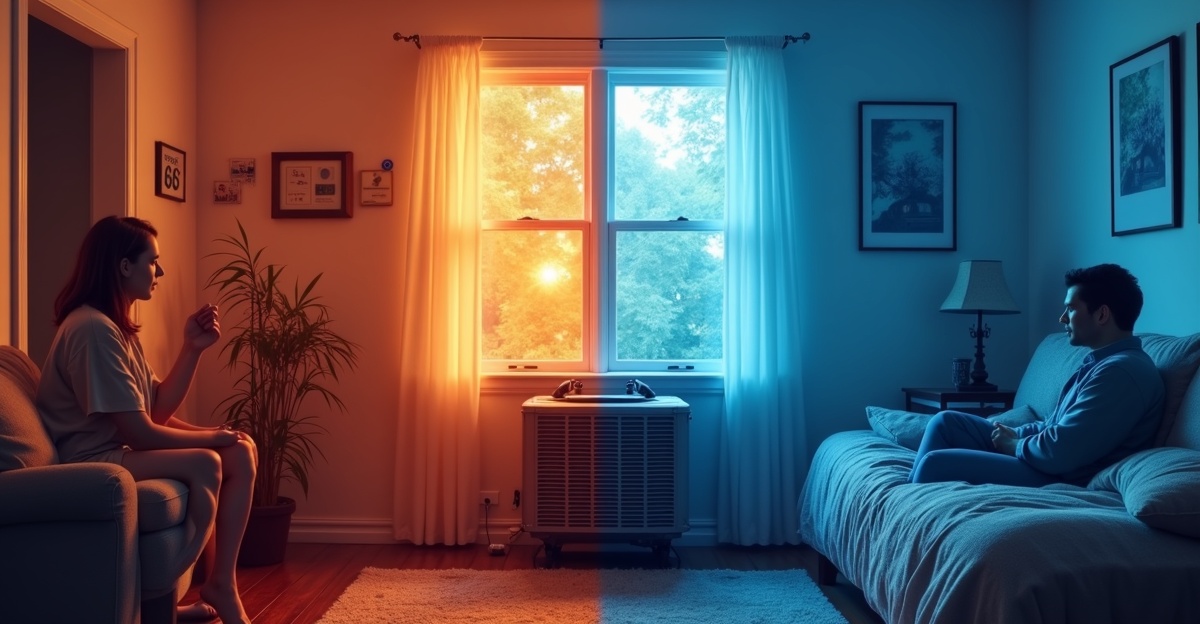
When your cooling system starts acting up—blowing warm air, running loudly, or failing to cool some rooms—key components might already be under pressure. Delaying repairs can cause a complete breakdown, especially during high summer temperatures. Quick action helps prevent larger issues and cuts down on surprise expenses.
Key Takeaways
- Warm air, low airflow, or uneven cooling show your AC isn’t operating the way it should.
- Unusual sounds like rattling or grinding often point to damaged or loose internal parts.
- Musty or burning smells can mean mold buildup in the ducts or an electrical fault within the system.
- A sudden jump in your utility bill or a unit that won’t cycle off usually means the system’s losing energy efficiency.
- If two or more of these problems show up together, schedule a professional check-up right away to avoid full system failure.
Uneven Cooling, Weak Airflow & Warm Air: The Big Red Flags
When your AC starts delivering different temperatures room to room or blows out warm air instead of cool, something’s off. These are some of the biggest warning signs that your system may be heading for failure.
Maybe the upstairs bedrooms feel stuffy and hot, while the living room is just fine. Or you feel only a trickle of air from the vents despite the fan running. If the thermostat’s set to cool but all you’re getting is lukewarm air, your AC isn’t cooling properly.
In many cases, that could mean a refrigerant leak, a blocked duct, or a compressor issue, as the U.S. Department of Energy explains in its guide to how air conditioners work. Any of those can push your system to the edge, especially in Methuen and across the North Shore during our sticky, humid summers — as regional climate data from the National Weather Service shows — when cooling systems work harder
If your AC isn’t keeping up like it used to—and you’re dealing with extreme heat—it’s time to get it checked now. Waiting too long can lead to bigger, costlier breakdowns.
To learn more about what might cause cooling to drop off suddenly, see our breakdown of why ACs run but don’t cool.
Unusual Noises and Smells You Shouldn’t Ignore
Strange noises or smells from your AC aren’t just annoyances. They often mean something’s about to give inside your system. Buzzing, rattling, grinding, or high-pitched squealing sounds are all serious warning signs. Something’s loose, worn down, or failing.
On the smell side, Musty odors could point to mold in the ductwork, a common indoor air quality concern noted by the Environmental Protection Agency (EPA) while any burning scent suggests electrical damage or overheating components. A sour odor might just be a dirty filter—or it could be refrigerant leaking.
If you hear a loud hum when your unit kicks on, or a new vibration near the vents, don’t wait for it to go away. It won’t. Those problems usually get worse fast.
We advise scheduling a professional inspection right away. Our licensed techs handle these AC warning signs daily and can often prevent a full system shutdown with early repairs.
Spikes in Your Energy Bill or AC Running Nonstop
If your energy bill suddenly climbs and your air conditioner won’t seem to shut off, it’s a clear signal your system isn’t working efficiently, according to federal energy efficiency guidelines from Energy.gov. High energy bills from an AC that’s losing power are usually traced back to failing components.
That could be a clogged evaporator coil, airflow obstruction, refrigerant loss, or an aging blower motor. These aren’t catastrophic emergencies, but they don’t go away on their own either.
During long stretches of high humidity—common for Methuen and North Shore homeowners—this kind of inefficiency gets worse. The system runs harder and longer to try to compensate, which wears it down faster.
Don’t panic, but definitely plan to have things diagnosed sooner rather than later. Delaying repairs usually adds strain and increases the odds of your system quitting altogether during a peak heatwave.
For a deeper look at what can cause unexpected HVAC issues, read about sudden system shutdowns.
Your Thermostat Is Working… But the AC Isn’t Keeping Up
Sometimes the thermostat is set right, but the house still feels warm. This disconnect between settings and comfort means there’s a deeper issue within the system—not just a thermostat glitch.
Maybe you’ve set the temperature to 68°F, but the inside temp barely budges. Or nothing changes even after adjusting the thermostat up or down. These are key signs your AC isn’t cooling properly due to internal mechanical issues.
This often points to a failing compressor, damaged sensors, or something as basic as blocked air registers. It becomes more obvious in big spaces or shared buildings: your restaurant AC can’t cool the dining room before lunch, or tenants in upstairs units keep calling about heat—those are warning flags.
Don’t ignore this kind of mismatch. Get a technician out before your system reaches the point where repairs won’t be enough.
If you’re wondering exactly what systems like these do behind the scenes, our guide on how HVAC systems really work breaks it down simply.
When to Call Right Away vs. When to Monitor
Top 7 Signs Your AC May Be About to Fail
If you notice any of the following, your system needs attention—some sooner than others:
- Blowing warm air
- Weak or no airflow
- Strange noises (buzzing, grinding, rattling)
- Moldy or burning smells
- Higher-than-usual energy bills
- Cycle runs constantly without cooling
- Uneven room temperatures
Urgent vs. Monitor-Then-Call
Here’s when to take immediate action—and when it’s okay to track the problem first:
Call right away:
- AC is blowing warm air during a heatwave
- Strong burning or musty smells in your vents
- Loud grinding or buzzing noises from your unit
Monitor, then schedule:
- Sudden spike in your energy bill
- Rooms cooling at different rates
- Longer run times without maintaining comfort
When in doubt, don’t wait. Our Methuen-based emergency HVAC techs are available 24/7. Fast, honest, and never pushy—just focused on getting you back to comfort.
What These Symptoms Could Mean — And What To Do Next
Each of these symptoms tells a story. The key is knowing what they might mean and acting before they pile up.
- Weak airflow? That could be a dirty filter, a duct leak, or a blower motor starting to fail.
- Warm air coming through vents? You might be dealing with low refrigerant or a compressor at the end of its life.
- Musty smell when the AC runs? Probably mold or mildew inside your ducts or coils.
- Constant running with little temperature drop? That often links to issues with the evaporator coil or thermostat sensors.
- Buzzing or rattling noises? Think damaged fan blades, a loose part, or worn bearings.
Not every symptom means expensive repairs. But if you’re seeing two or more at the same time, your system is struggling, and it’s time for a closer look.
If you’re unsure whether your issue is urgent, check our guide on what qualifies as an HVAC emergency. Or if you’re wondering how soon help can actually arrive, see how fast HVAC repairs can be done with us.
Worried your AC is slipping? Whether it’s signs your AC is failing or you’re dealing with an emergency HVAC issue in Methuen, MA, our local team is ready to help. We show up fast, give you honest advice, and fix things the right way.
Reach out to schedule a diagnostic HVAC repair, or visit our service areas page to see if we’re in your neighborhood. We’re proud to serve the entire Merrimack Valley with reliable local support.
Trust JP Heating & Cooling Services to keep your system running strong—season after season.
Need help now? Contact us directly or explore our full range of cooling services today.
Frequently Asked Questions
The most common signs an AC is failing include warm air from vents, weak airflow, uneven room temperatures, unusual noises, and rising energy bills. These issues usually indicate worn components, airflow restrictions, or refrigerant problems that reduce cooling performance and strain the system.
Yes, an air conditioner can fail suddenly, but most systems show warning signs beforehand. Noises, short cycling, reduced cooling, or higher utility costs often appear weeks or months before failure. Ignoring these early symptoms increases the risk of a complete breakdown during peak summer heat.
Running an AC that shows signs of failing is risky, especially considering documented HVAC-related electrical hazards outlined by the National Fire Protection Association (NFPA). Continued operation can worsen damage, raise energy costs, and potentially cause electrical issues or compressor failure. If multiple symptoms appear at once, it’s safer to limit use and schedule a professional inspection promptly.
A sudden increase in energy bills can indicate your AC is failing. When internal components wear down, the system runs longer to maintain temperature, using more electricity. While not always an emergency, this inefficiency often signals developing mechanical or airflow problems.
An AC may run for weeks or months after early warning signs appear, but performance usually continues to decline. Minor issues can escalate quickly under heavy use, especially in hot weather. Addressing problems early helps extend system life and avoid unexpected shutdowns.