
Furnace High Limit Switch Keeps Tripping? Signs of Overheating
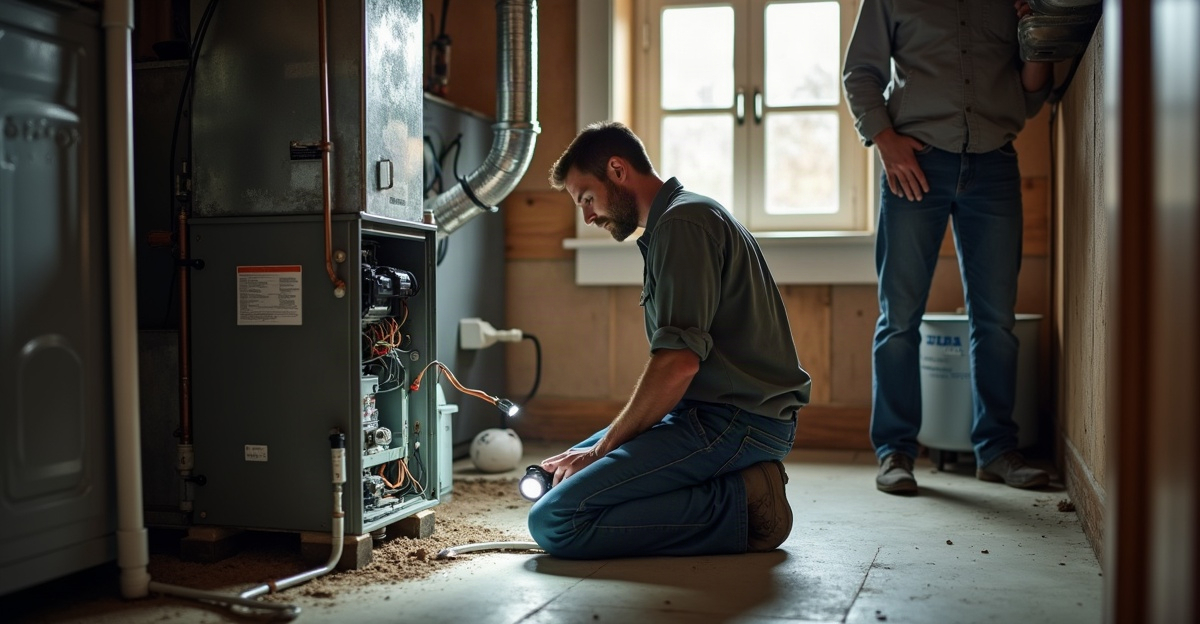
A furnace high-limit switch trips when internal temperatures climb too high. Restricted airflow, blower faults, or duct problems can stop heat from moving safely through the system. We recommend watching for short heating cycles, burners shutting off while the blower continues running, cool air from vents, unusual odors, or repeated resets. Turn the furnace off if serious warning signs appear.
Key Takeaways
- The high-limit switch acts as a safety control. It shuts off the burners and helps prevent furnace overheating.
- Dirty or incorrect filters, blocked returns, closed vents, and restricted ductwork can limit airflow and cause overheating.
- Blower motor, capacitor, relay, control board, or dirty coil issues can prevent the system from moving enough air.
- We never recommend bypassing, taping down, or repeatedly resetting the high-limit switch. Schedule professional service if it keeps tripping.
- Shut the furnace off and contact a qualified technician promptly if we notice smoke, burning or electrical odors, soot, scorched wiring, loud noises, repeated shutdowns, or no heat.
What Repeated High-Limit Trips Mean—and When to Shut the Furnace Off
A furnace high-limit switch keeps tripping because the furnace is getting too hot. This safety control monitors internal furnace temperature and shuts the burners off before excess heat can damage the system or create an unsafe condition.
The switch may be working exactly as it should. In most cases, the real problem is restricted airflow, a blower issue, duct restrictions, or another condition that prevents heat from moving out of the furnace. A faulty limit switch is possible, but it is less common than an airflow or blower problem.
After the burners shut off, the circulating blower may keep running. That is normal during a high-limit event because the blower is trying to cool the furnace. If the air from the vents becomes cooler while the blower continues, the furnace may be protecting itself from overheating.
Turn the furnace off and arrange prompt professional service if there is smoke, a persistent burning or electrical odor, visible soot, scorched wiring, loud mechanical noises, repeated shutdowns, or no heat. Repeated overheating can damage important components even if the furnace starts again later.
If anyone smells gas, leave the area right away. Do not use light switches, phones, flames, appliances, or anything that could create a spark inside the building. Call the gas utility or emergency services from a safe location.
A high-limit trip does not automatically mean carbon monoxide is present, the heat exchanger is cracked, or a fire is imminent. Still, a furnace limit switch keeps tripping for a reason, and repeated trips need prompt attention from a trained technician.
Signs the Furnace Is Overheating Instead of Cycling Normally
A furnace normally cycles on and off based on thermostat demand. It should run long enough to bring the home close to the set temperature, then shut down until more heat is needed.
Short cycling means the furnace turns on and off more often than normal before it can heat the space properly. Some short cycles come from thermostat or sizing concerns, while others happen because the furnace overheats and the limit switch stops burner operation.
Common signs of overheating include:
- Burners shutting off after a short run
- A blower that keeps running while the air gets cooler
- Repeated restarts
- Frequent manual resets
- Weak heat in rooms
- Unusual odors
A furnace that runs briefly and stops may also leave the home feeling cold despite a thermostat set to Heat.
The blower moves air through the furnace and ducts. Return vents are the grilles that pull household air back to the system. The heat exchanger transfers furnace heat safely into air moving through the home. If airflow through these parts drops too low, heat builds up inside the furnace.
A heater cycling too frequently can point to several problems, including high-limit trips. During long Northeast winter heating periods, we should never ignore a furnace that needs regular resets or cannot complete a normal heating cycle.
What We Can Safely Check Right Now
Start with simple external checks that do not require opening panels or touching wiring. Confirm the thermostat is set to Heat and the selected temperature is above the current room temperature.
Check the furnace filter next. Replace a dirty filter with the correct size and type specified for the furnace. A filter that is dirty, overly restrictive, installed backward, or the wrong size can restrict airflow enough to contribute to overheating. We should avoid very high-MERV filters unless the system is built to handle them.
Clear airflow paths throughout the home. Keep supply vents open and free from rugs, furniture, curtains, and stored items. Make sure return-air grilles have clear space around them. Closing too many registers can also reduce system airflow and make the furnace work harder.
Recent filter changes, renovation dust, register adjustments, or furniture moved over vents can help explain why the limit switch on a furnace keeps tripping. A filter that loads up unusually fast can also signal an airflow concern; review these causes of dirty furnace filters for helpful context.
If urgent warning signs are present and the furnace has a standard external power switch, turn the system off. Do not jumper, tape down, disconnect, override, or repeatedly reset a high-limit switch. Bypassing a safety control can create fire risk, equipment damage, and unsafe furnace operation.
Common Reasons a Furnace High-Limit Switch Keeps Tripping
Restricted airflow is one of the most common reasons a furnace keeps tripping limit switch protection, but a new filter does not solve every case. The system needs enough air moving across the heat exchanger to carry heat into the ductwork.
Several issues can cause overheating:
- Filter restrictions: A dirty, restrictive, incorrect, or poorly installed filter may slow airflow.
- Blocked vents or returns: Closed or blocked supply registers, covered return grilles, and too many closed vents can create the same result. For additional warning signs, see what can cause weak airflow from vents.
- Blower problems: A failing blower motor, dirty blower wheel, damaged belt on applicable systems, weak capacitor, faulty relay, or control board issue can keep the blower from moving enough air.
- Dirty evaporator coil: A dirty evaporator coil can restrict airflow on furnaces connected to central air conditioning.
- Ductwork concerns: Ductwork may be undersized, damaged, disconnected, or poorly arranged.
- Furnace setup problems: Gas-pressure settings and other setup issues can cause the unit to produce heat outside its intended operating range.
- Heat exchanger or venting concerns: These conditions require professional inspection.
- Faulty high-limit switch: The switch itself may be faulty, miscalibrated, or poorly connected.
Technicians should first rule out restricted airflow, blower failure, duct problems, and setup concerns. Replacing or resetting the switch without correcting the cause can leave the furnace overheating.
What a Professional Furnace Diagnosis Should Include
Recurring high-limit trips, no heat, unresolved airflow problems, and any warning signs call for professional diagnosis. Our furnace repair services focus on finding the reason for the shutdown rather than treating the safety switch as the problem.
A trained HVAC technician should measure furnace temperature rise and verify blower performance. The inspection should include the blower motor, wheel, relay, control board, belt where applicable, and capacitor. Technicians should also evaluate the filter, ductwork, evaporator coil, supply vents, and return-air pathways.
Electrical components and limit-switch connections need inspection as well. Proper diagnosis also includes verifying furnace setup, gas pressure, venting, and safe operation. If conditions call for it, the technician should inspect for heat exchanger or venting-related concerns.
A bad high-limit switch can cause false trips. Still, we should not assume it has failed until airflow, blower operation, and other overheating causes have been checked. Homeowners should not replace the switch, clean burners, access the heat exchanger, manipulate gas piping, test voltage or continuity, or repeatedly reset the unit.
Annual service helps technicians spot developing airflow, blower, and safety concerns before heavy heating demand begins. Our furnace maintenance guidance explains practical steps that can reduce the chance of avoidable repairs.
Carbon Monoxide Safety, Common Questions, and Local Help
A tripped high-limit switch alone does not prove carbon monoxide is present. Repeated overheating can contribute to equipment damage, though, so professional inspection remains important.
Keep working carbon monoxide alarms on every level of the home and near sleeping areas, following local requirements and the alarm manufacturer’s instructions. If a CO alarm sounds, follow the manufacturer’s directions, move to fresh air, and contact emergency services or the appropriate authority.
Common furnace high-limit questions
A limit switch may keep tripping after a filter change because the restriction or fault is elsewhere. The blower, evaporator coil, ductwork, registers, return-air openings, furnace setup, or switch itself may need attention.
A dirty filter can cause a furnace to overheat by reducing airflow. Yet a clean filter does not rule out other airflow restrictions. If the furnace blower runs while burners are off, it may be cooling the unit after the high-limit switch shut the burners down. Learn more about a furnace blowing cold air during these events.
Closed vents can contribute to a high-limit trip, especially if many registers are shut or return grilles are blocked. It is not safe to repeatedly reset a high-limit switch. A reset may allow one more heating cycle, but it does not fix why the furnace overheated.
Prompt local furnace help
Turn the furnace off if it keeps overheating, especially with burning odors, loud noises, repeated shutdowns, or no heat. For urgent loss of heat or concerning furnace behavior, request emergency HVAC service.
We serve Methuen, the Merrimack Valley, the North Shore, and Southern New Hampshire. Review our HVAC service areas or schedule furnace service for a professional diagnosis.
By JP HVAC Service Team. Last reviewed: October 22, 2026. We update seasonal safety guidance as heating conditions and manufacturer recommendations change.