
Furnace Not Igniting? 7 Reasons Your Heat Won’t Turn On
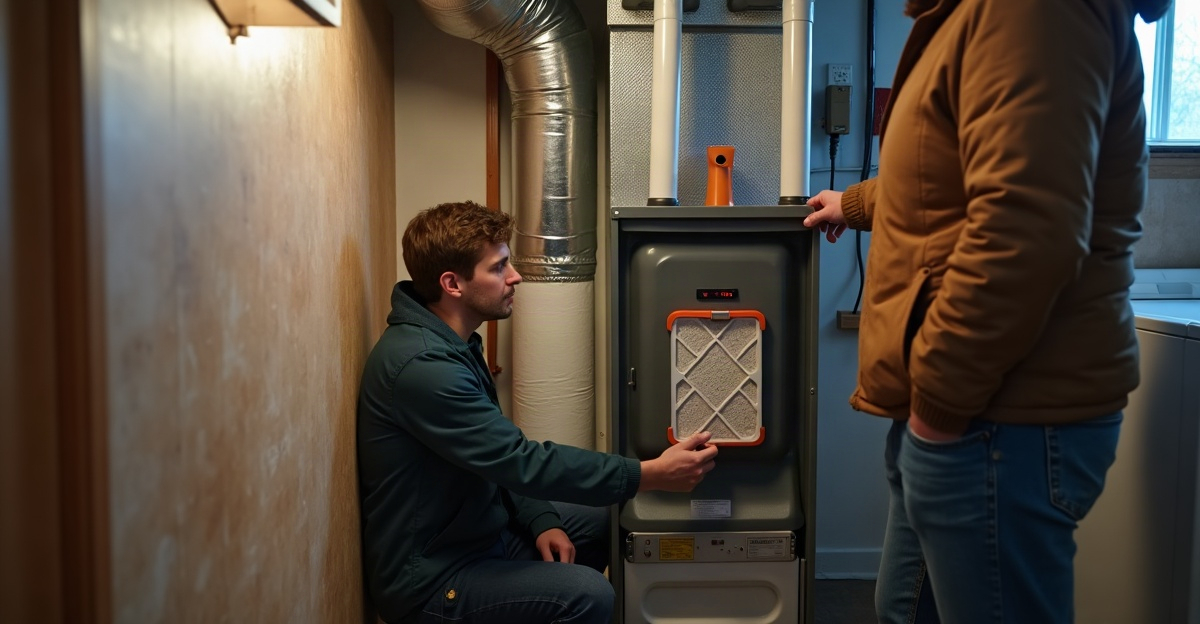
A furnace may fail to ignite because of thermostat settings, power loss, a clogged filter, fuel-supply issues, or a faulty ignition or safety part. We should check safe, accessible items first. We should also arrange prompt professional service if the heat won’t start, shuts down repeatedly, or shows a safety concern.
Key Takeaways
- We should leave the building and contact the gas utility or emergency services if we smell gas, hear a carbon monoxide alarm, or see smoke, sparks, or overheating.
- We should confirm that the thermostat is set to Heat, replace accessible thermostat batteries if needed, and reset a tripped furnace breaker once.
- We should replace a dirty, accessible furnace filter with the correct size. Restricted airflow can trigger an overheating safety shutdown.
- We shouldn’t repair gas lines, electrical parts, burners, igniters, flame sensors, vent pipes, or condensate drains.
- We should call an HVAC professional promptly for no heat during freezing weather, repeated shutdowns, error codes, unusual noises, or a furnace that blows cold air.
When a No-Heat Problem Is an Emergency
A furnace not igniting can become a safety concern quickly, especially during a Northeastern winter. We should leave the building and seek immediate help if we smell gas, hear a carbon monoxide alarm, see smoke or sparks, or notice signs of overheating.
We should never reset the furnace, relight equipment, or look for the source of a gas odor. Contact the gas utility or emergency services as appropriate, then allow trained professionals to inspect the system safely.
A furnace that repeatedly shuts down, makes unusual noises, shows a furnace error code, blows cool air, or provides no heat during freezing weather needs prompt attention. No heat in winter can put households, tenants, customers, plumbing, and properties at risk throughout Methuen, the Merrimack Valley, the North Shore, and Southern New Hampshire.
For a no-heat emergency, we can arrange emergency heating repair when conditions require fast, professional support. Our HVAC technician can identify the cause, explain the repair options clearly, and review pricing before work begins. If a furnace will not turn on, safe diagnosis matters more than repeated resets or guesswork.
Check These Safe, Simple Issues First
Before we assume the furnace has failed, we should check a few safe and accessible items. Start with the thermostat. Confirm it is set to Heat and that the target temperature is above the current room temperature. A thermostat set to heat sends the call that tells the furnace to begin its cycle.
Check the thermostat display for a blank screen or low-battery warning if the model uses batteries. A thermostat problem can prevent the furnace from receiving a call for heat. For additional guidance on this symptom, review thermostat heat problems.
Next, check the furnace breaker once. A tripped furnace breaker may stop the unit from starting at all. We can reset it one time if it has clearly tripped, but we should not continue resetting a breaker that trips again. Repeated power cycling can hide an electrical issue and may create additional risk.
We can also confirm that the furnace service switch has not been turned off accidentally, as long as we can see it without opening panels or handling wiring. These checks are limited to safe homeowner checks. We should not remove furnace panels or attempt work on electrical components, gas lines, burners, vent pipes, drains, or condensate equipment.
If the furnace will not start after these steps, professional service is the right next move. Similar symptoms can come from several different failures, so a quick diagnosis helps prevent unnecessary repairs.
Reason 1–3: Thermostat, Power, and Airflow Problems
Reason 1: Thermostat Settings or Thermostat Failure
Incorrect thermostat settings and thermostat malfunctions are common reasons a furnace will not turn on. The system may remain silent, the thermostat screen may be blank, or raising the temperature may produce no response.
Confirm the thermostat is set to Heat rather than Cool, Off, or a programmed setback schedule. If the display is blank, replace accessible batteries if the manufacturer allows it. A damaged thermostat, loose connection, or control issue may still prevent heating even when the display appears normal.
Reasons 2–3: Power Loss and Restricted Airflow
A tripped breaker, power interruption, or switched-off furnace can stop a heating cycle before it begins. If the breaker remains on and the furnace stays silent, the cause may involve an internal electrical component or control that needs service.
A dirty furnace filter can also create major heating problems. Restricted airflow may cause overheating and force the furnace into a safety shutdown. Common signs include weak airflow, a furnace running but not heating, or a furnace that turns on but blows cold air.
We can replace an accessible filter with the correct size and type, following the furnace manufacturer’s instructions. After replacing the filter, allow the system to run normally. If the furnace keeps shutting off or still fails to heat, we should schedule a professional inspection. For broader details on sudden shutdowns, see sudden HVAC shutdown causes.
Reason 4–5: Fuel Supply and Ignition Failure
Reason 4: Fuel-Supply Problems
A gas furnace not igniting may have an interrupted gas supply or a fuel-related component that is not operating correctly. Oil and electric furnaces have different failure points, including oil delivery, electrical controls, heating elements, and safety devices. Each system needs the correct diagnostic process.
We should never inspect or repair gas lines, gas valves, oil components, or electrical connections. If we smell gas, we must leave immediately and contact the gas utility or emergency services as appropriate. A fuel issue can affect safety as well as comfort, so trained service is essential.
Reason 5: Failed Igniter or Ignition-System Issue
A furnace igniter not working can prevent the burners from lighting. The furnace may click but will not ignite, attempt several start cycles, or start and stop without producing heat. Modern electronic-ignition furnaces should never be manually relit.
Clicking does not always mean the igniter alone has failed. The problem may involve fuel delivery, a control board, wiring, a pressure switch, or another safety component. A qualified HVAC technician can test the full ignition sequence and identify the failed part instead of replacing components based on symptoms alone.
If the system has begun blowing cold air, our guide to furnace cold air explains why this symptom can occur during an interrupted heating cycle. Reliable furnace repair services can determine whether repair is practical and what the work involves.
Reason 6–7: Flame Sensor, Venting, and Safety Shutdowns
Reason 6: Dirty or Failing Flame Sensor
A furnace flame sensor problem often causes a very specific pattern. The burners may light briefly, then the furnace lights and shuts off within seconds. The system shuts down because it does not confirm a stable flame.
The flame sensor is an internal safety component. We should not clean burners, bypass safety switches, or attempt internal furnace repairs. A licensed HVAC professional can inspect the sensor, burner operation, ignition sequence, and related controls safely.
Reason 7: Blocked Venting, Intake, or Condensate Drainage
A furnace vent blocked by debris, snow, ice, drainage problems, or internal restrictions can stop safe operation. High-efficiency furnace not igniting concerns often involve the intake, exhaust venting, pressure controls, or condensate system. These furnaces use safety controls that shut the system down when airflow or drainage is restricted.
Warning signs can include repeated shutdowns, unusual noises, error codes, or a furnace that appears to run without producing heat. Gas, oil, electric, and high-efficiency condensing furnaces each have different ignition and venting requirements. Although these symptoms often apply to gas furnaces, every system needs its own diagnosis.
We should not repair venting or condensate components without proper training. If the heater stops overnight, follow the safe steps in overnight heater failure guidance, then arrange service as soon as possible.
What to Do While We Wait for Furnace Repair
Contact a trusted HVAC professional if safe checks do not restore heat, the furnace repeatedly fails, or the property has no heat in cold weather. A search for furnace repair near me should lead to a provider that explains findings honestly, gives clear expectations, and does not pressure us into replacement before diagnosis.
An HVAC technician can determine whether the failure involves the thermostat, power supply, airflow, fuel delivery, igniter, flame sensor, venting, or another control issue. A furnace not igniting does not automatically mean replacement is necessary. Furnace age, overall condition, part availability, repair needs, and safety findings all affect the best recommendation.
While waiting for furnace repair Methuen MA support, we should protect pipes during freezing temperatures:
- Keep interior doors open where safe so warm air can circulate.
- Open cabinet doors around plumbing on exterior walls.
- Follow local guidance for maintaining safe indoor temperatures.
- Use approved electric space heaters only according to manufacturer instructions.
- Keep space heaters clear of bedding, curtains, furniture, and other flammable materials.
- Plug space heaters directly into a wall outlet when the manufacturer requires it.
Never use ovens, stoves, grills, or unvented combustion appliances to heat the home.
For dependable local assistance, our HVAC services in Methuen provide clear communication from the first call through repair recommendations. If heating has stopped completely, review what to do without heat and contact us for professional help.