
Uneven Cooling in House: What Homeowners Should Know?
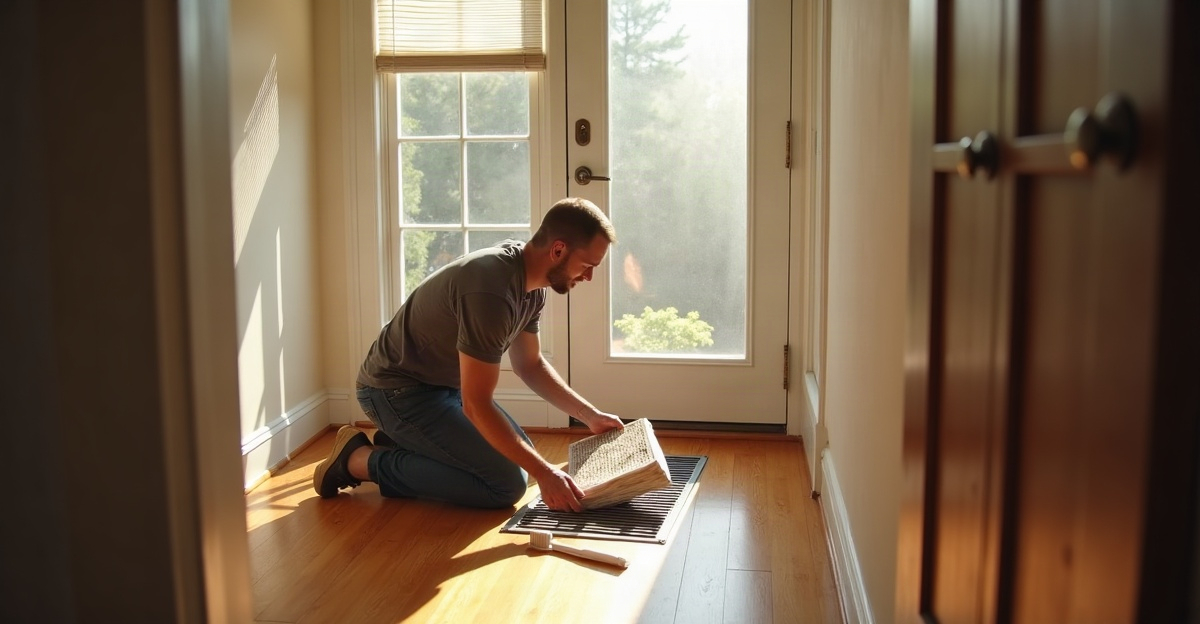
Uneven cooling in our homes can stem from room-specific issues. Direct sun, blocked vents, duct leaks, insulation gaps, and limited return airflow often affect individual rooms. Widespread warmth can signal a dirty filter, thermostat problem, missed maintenance, or equipment fault. Basic checks may restore airflow. However, we need prompt professional service for ice, leaks, electrical odors, loud noises, or sudden cooling loss.
Key Takeaways
- Determine whether the issue affects one room or several rooms. This helps us identify the likely cause.
- Check the thermostat, replace a dirty filter, and keep supply and return vents open and clear.
- Pay close attention to hot upstairs rooms, additions, finished attics, and rooms above garages. These areas often need better insulation, sun control, or airflow.
- Do not close most vents or attempt electrical, refrigerant, or internal equipment repairs ourselves.
- Schedule an HVAC evaluation if basic checks do not help, energy costs increase, or warning signs appear. Call for emergency service if cooling loss creates a safety risk.
Uneven Cooling: What It Can Mean and When to Get Help
Uneven cooling in a house can result from airflow restrictions, thermostat placement, duct leaks, insulation gaps, sun exposure, zoning concerns, missed maintenance, or an aging or undersized AC system. It doesn’t always mean the air conditioner has failed.
A single room that stays warm often points to a room-specific issue. Strong sun through windows, poor insulation, closed registers, blocked vents, limited return airflow, or ducts that are too small can all affect one space. Additions, finished attics, rooms over garages, and areas far from the indoor equipment often need extra attention.
If the entire home feels warm, the cause may be broader. A dirty filter, thermostat problem, maintenance issue, refrigerant concern, or equipment malfunction can reduce cooling across several rooms. Homeowners asking what causes uneven cooling in a house should first determine whether the trouble is isolated or widespread.
Prompt service is important when cooling stops during high heat, especially where children, older adults, pets, or medically vulnerable people are present. We also recommend urgent help for burning smells, smoke, sparking, repeated breaker trips, ice on refrigerant lines or near the indoor coil, water leaks around equipment, loud grinding or screeching, or sudden cooling loss throughout the home. Our emergency HVAC service is available when a comfort problem becomes a safety concern.
There’s no need to guess at the cause. A licensed HVAC technician can safely identify the issue when basic checks don’t restore consistent comfort.
Safe Checks Homeowners Can Try First
Start with simple checks before assuming a major repair is needed. These steps can help with limited airflow or heat gain problems, but they won’t solve every cause of uneven cooling or heating in a house.
Confirm that the thermostat is set to “cool” at a reasonable temperature. Check its location as well. A thermostat near a sunny window, kitchen, stairway, exterior door, or other heat source may read the home inaccurately.
Replace a dirty or overly restrictive air filter with the correct size and type recommended by the manufacturer. Can a dirty air filter cause uneven cooling? Yes. Restricted airflow can affect comfort across the home and may make certain rooms feel worse than others.
Keep supply vents and return vents open and clear. Furniture, curtains, rugs, and storage items can block airflow without anyone noticing. Doors that remain closed in problem rooms can also limit circulation.
Use ceiling fans counterclockwise at a higher speed during summer. The breeze won’t lower the room’s actual temperature, but it can make the space feel cooler. Closing blinds or curtains during peak sun, especially on south- and west-facing windows, can also reduce heat gain.
Look for obvious drafts around windows, doors, attic hatches, and access panels. Then make a few notes: which rooms feel warm, what time the issue occurs, whether airflow feels weak, and how long the system runs. This information helps us diagnose how to fix uneven cooling in a house without wasting time.
Common Reasons One Room Stays Hotter Than the Rest
Why is one room in a house hotter than the rest? In many cases, the answer involves heat entering the room faster than the HVAC system can remove it.
Strong afternoon sun can heat rooms quickly through large windows, older glass, or limited exterior shading. Air leaks around windows, doors, attic hatches, and gaps in older construction can also allow hot outdoor air inside.
Can poor insulation cause one room to stay hot? It can. Insufficient attic insulation often affects upper floors, finished attics, additions, and rooms above garages. Heat can also build up in an attic with limited ventilation and transfer into nearby living spaces.
Why is an upstairs warmer than downstairs in summer? Warm air naturally rises, so multi-story homes often hold more heat on upper levels. That effect becomes worse when return-air pathways are limited, ducts run through hot attic spaces, or upstairs rooms receive more direct sun.
Airflow problems can create the same result. Closed or partially closed registers, blocked supply vents, weak return-air flow, duct leaks, disconnected ducts, crushed flexible ducts, and poor duct sizing can leave one room short of conditioned air. A room far from the HVAC equipment may also have different cooling needs than the rest of the home.
Across the Merrimack Valley, North Shore, and Southern New Hampshire, humid summers, cold winters, older homes, additions, finished attics, multi-level layouts, and varying insulation levels can make room-to-room comfort differences more noticeable. Every home is different, so we check the actual space, ductwork, and equipment rather than assuming one cause applies everywhere.
Why the Whole House May Be Cooling Poorly
When several rooms feel warm, the system may have a broader airflow or performance issue. A clogged filter can restrict air movement. Thermostat settings, accuracy, or placement can cause short cycling or incorrect temperature readings. Maintenance concerns involving the blower, evaporator coil, drain system, or outdoor equipment can also reduce cooling capacity.
Refrigerant, coil, blower, compressor, and electrical problems may affect the entire home. If the AC runs but comfort doesn’t improve, our guide on AC running without cooling explains several common warning signs. Ice on lines or equipment requires prompt attention; learn more about AC freeze-up causes before the issue damages the system further.
Zoned HVAC systems can develop damper or control problems that prevent conditioned air from reaching the right areas. Long run times, weak airflow in several rooms, rising utility bills, and widespread discomfort can also indicate that the system’s capacity or duct design needs professional review.
Is uneven cooling a sign that an AC needs replacement? Not automatically. Many homes improve with maintenance, repairs, air balancing, duct sealing, insulation upgrades, thermostat adjustments, or zoning corrections. Replacement becomes a sensible option only after we consider the system’s age, condition, size, repair history, and the home’s actual cooling needs.
What Not to Do When Cooling Is Uneven
Should we close vents in rooms we don’t use to force more air into warmer spaces? In most homes, no. Closing most supply vents can raise static pressure, reduce airflow, strain equipment, and make cooling performance worse. Keep vents open unless a technician recommends a specific balancing adjustment.
Portable fans, thermostat changes, and closing a small number of registers may provide temporary relief in some homes. They don’t correct all causes of uneven cooling or heating in a house.
Avoid opening equipment panels, handling refrigerant, changing wiring, or attempting internal repairs. Refrigerant work and electrical repairs require proper training and equipment. Major duct modifications also need a professional assessment, since changing one section can disrupt airflow elsewhere.
Don’t ignore persistent ice, water near equipment, electrical odors, repeated breaker trips, or loud unusual noises. These signs may point to a problem that needs immediate attention.
How an HVAC Professional Finds the Cause and Recommends the Right Fix
We begin an HVAC evaluation by checking the details that affect comfort: filter condition, airflow, blower operation, thermostat accuracy and placement, duct leakage, return-air capacity, refrigerant performance, electrical components, drainage, and overall system operation. We also consider whether the equipment’s capacity matches the home’s cooling needs.
For larger comfort concerns, we may recommend a Manual J load calculation. This is a professional assessment used to estimate how much heating and cooling a home needs based on its size, layout, insulation, windows, and other conditions.
The right fix depends on the diagnosis. Options may include routine maintenance, repair, air balancing, duct sealing or insulation, additional return-air pathways, thermostat relocation, smart thermostat adjustments, attic air sealing, improved ventilation, window shading, zoning corrections, or ductless mini-splits for difficult additions and finished spaces. Our cooling services focus on practical improvements that fit the home and budget.
Regular service can prevent many airflow and performance concerns before they become larger problems. Our overview of AC maintenance visits explains what we inspect and why those checks matter.
Schedule an evaluation if basic checks don’t improve comfort, several rooms are affected, energy costs are rising, or equipment warning signs appear. We provide responsive service, emergency help when needed, clear pricing, and honest explanations. We’ll recommend repair, improvement, or replacement only when it makes sense for the home—not because of pressure.