
AC Fan Not Spinning? Here’s What Could Be Wrong
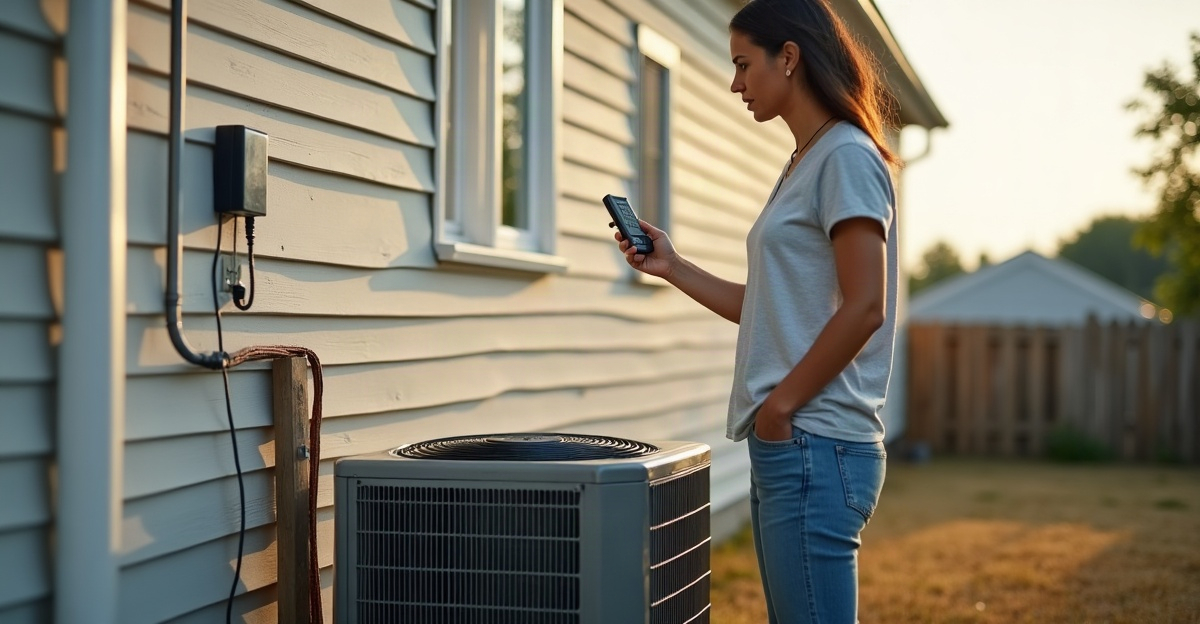
An AC fan that won’t spin may signal a failed outdoor condenser fan or indoor blower. We should stop the system, as continued operation can strain the compressor or block airflow through the home. We should avoid repeated restarts and limit checks to safe items, such as thermostat settings and breakers. We should arrange prompt HVAC service if the unit hums, trips breakers, or shows electrical warning signs.
Key Takeaways
- We should shut off the AC if the outdoor fan stops spinning. This helps prevent compressor overheating and added damage.
- A stopped outdoor fan may indicate a failed capacitor, fan motor, contactor, wiring connection, or control problem.
- If the indoor blower fails, the outdoor unit may continue running while little or no air reaches the vents.
- We should reset a tripped breaker once if no warning signs appear. We should leave it off if it trips again.
- Smoke, burning odors, sparks, grinding sounds, repeated breaker trips, or sudden cooling loss call for prompt HVAC service.
What to Do Right Now When Your AC Fan Stops
If the outdoor unit is humming or running but the AC fan is not spinning, turn cooling off at the thermostat right away. Don’t keep restarting the system to see if the fan will start. Without a working fan, the outdoor unit can’t release heat as it should, which can strain or overheat the compressor.
If it’s safe to access the breaker or outdoor disconnect, turn off power to the outdoor unit and arrange service. Don’t open the disconnect box or work inside the equipment. AC systems contain high-voltage parts that need professional testing.
Hot, humid weather in Methuen, the North Shore, Merrimack Valley, and Southern New Hampshire can make this problem feel urgent. Fast action helps protect comfort and may limit further strain on the system. Still, an AC fan not spinning doesn’t automatically mean replacement is necessary. A technician needs to inspect the unit and confirm the actual cause before recommending a repair.
For systems that stop without warning, our guide to sudden HVAC system failure can help explain other possible warning signs.
Is It the Outdoor Condenser Fan or the Indoor Blower Fan?
An AC fan not spinning can mean two different things. Identifying which fan has stopped helps narrow down the next step.
The outdoor condenser fan sits in the exterior AC unit. It pulls air through the condenser coil to release heat outside. If the outdoor unit hums but the fan doesn’t move, the system may blow warm air or stop cooling altogether. A capacitor, fan motor, or electrical control issue may be involved.
The indoor blower fan sits in the air handler or furnace. It moves cooled air through the ductwork and supply vents. If this fan isn’t working, the outdoor unit may still run while little or no air comes from the vents.
Pay attention to the symptoms. An AC unit fan not spinning while the outdoor unit hums calls for shutting the system down and scheduling service. If the outdoor fan runs but no air comes from vents, the issue may involve the indoor blower, filter, ductwork, or controls. When the fan spins but air feels warm, a refrigerant, compressor, coil, or other cooling issue may be present. Our explanation of why AC blows warm air covers common possibilities.
A breaker that trips as the AC starts may point to an electrical or component fault. Reset it once only if conditions are safe. Don’t reset it repeatedly.
Turn the AC Off and Call for Help If You Notice These Warning Signs
Safety first: AC equipment contains high-voltage electricity, stored electrical charge, sharp metal components, and moving fan blades. A fan on an AC unit not spinning can involve parts that aren’t safe to inspect without training and proper tools.
Turn the AC off and request prompt HVAC service if the outdoor unit hums but the fan won’t start. Do the same if you notice burning, electrical, or melting-plastic odors; smoke; sparking; repeated breaker trips; or unusual buzzing. A buzzing AC unit may need immediate attention, especially if the sound appears with weak cooling or a stopped fan.
Stop operating the system if the fan starts and stops repeatedly, the AC is running but not cooling, or the blade makes grinding or screeching sounds. Visible blade damage, an obstruction, or a problem that returns after a basic breaker check also requires professional service.
Repeated restarts can worsen strain on the system. During severe heat, especially in homes with vulnerable occupants, rental properties, and businesses, emergency HVAC service offers the right response for electrical warning signs or urgent loss of cooling.
Safe Checks You Can Do Before Calling an HVAC Technician
These checks can identify obvious issues, but they can’t confirm an electrical or mechanical diagnosis. Keep the unit off if there are odors, smoke, sparking, water around electrical equipment, or a repeatedly tripping breaker.
Safe Homeowner Checklist
Before calling about an AC unit fan not spinning, you can complete these safe checks:
- Set the thermostat to Cool and lower the temperature setting several degrees below the indoor temperature. Confirm the thermostat has fresh batteries if it uses them.
- Confirm the indoor unit has power. Check the circuit breaker and reset it once only if it has tripped and there are no warning signs.
- Check the accessible air filter. Replace it if it is heavily dirty. A clogged filter can restrict airflow and strain the system, but a new filter usually won’t fix an outdoor fan problem.
- Make sure supply vents are open and clear of furniture, rugs, or other blockages.
- After turning the system off, look around the outdoor unit for loose leaves, grass clippings, or objects restricting airflow. Clear material from around the condenser while maintaining open space around it. Don’t reach inside the unit.
Avoid unsafe shortcuts. Don’t force or spin the fan blade by hand. Don’t remove panels, replace a capacitor, touch wiring, bypass controls, or insert hands or tools through the fan grille. Never keep resetting a breaker or restarting the AC in hopes that the fan will begin working.
Possible Reasons an AC Fan Is Not Spinning
A thermostat setting or communication issue may prevent the system from receiving the correct cooling call. The thermostat may be set above room temperature, set to the wrong mode, have weak batteries, or have a control problem.
A tripped breaker or power interruption may also stop the fan. If a breaker visibly trips, one safe reset is reasonable. If it trips again, leave it off and call for service. Repeated trips may indicate a wiring fault or failing component.
Restricted airflow can contribute to system strain. A dirty filter may affect the indoor blower and may lead to coil problems. Leaves, grass, and storm debris around the outdoor unit can also restrict airflow. Debris inside the equipment, bent blades, rodent damage, or damaged wiring require professional inspection.
A failed capacitor is a common possible cause when an outdoor unit hums but the fan doesn’t move. The capacitor helps the fan motor start and run. Capacitors can hold a dangerous electrical charge even after power is off, so a technician must test and replace them.
The fan motor itself may be worn or failed. Humming, slow movement, intermittent operation, grinding sounds, or a fan that stops soon after starting may indicate a motor issue. Worn bearings or mechanical damage can also prevent normal fan operation.
Other possible causes include a faulty contactor, relay, wiring connection, or control board. These parts send power and signals to the fan motor, and a technician can confirm their condition through electrical testing.
A frozen evaporator coil or system protection shutdown may also affect operation. Poor airflow, refrigerant issues, and other cooling problems can lead to icing or safety shutdowns. Don’t open equipment or attempt to handle refrigerant. If the fan runs but cooling remains weak, review the signs of an AC running without cooling and arrange a professional assessment.
Professional Diagnosis, Repair Expectations, and Prevention
During an AC repair visit, a technician inspects the power supply, capacitor, contactor, fan motor, control signals, airflow, visible damage, and overall system condition. This process identifies why the AC fan is not spinning and checks whether the compressor or other components have been affected.
Repair cost depends on the failed component, unit age, system type, accessibility, after-hours needs, and related damage. Clear communication and transparent recommendations help homeowners and property managers choose the right repair without pressure.
Regular care reduces avoidable strain, though it can’t prevent every failure. Schedule seasonal service, change filters routinely, keep vegetation and debris clear of the outdoor unit, and address unusual noises, weak airflow, or declining cooling early. Learn what happens during an AC maintenance visit to prepare for preventive service.
Frequently Asked Questions
Why is my AC running but the fan is not spinning?
A failed capacitor, fan motor, contactor, control board, or wiring issue may be responsible. A technician can confirm the cause.
Should we turn off the AC if the outdoor fan is not running?
Yes. Shut cooling off to prevent added compressor strain.
Can a bad capacitor cause an AC fan not to spin?
Yes. A failed capacitor may stop the fan motor from starting, but it requires professional testing.
Why is the outdoor fan off while the indoor air handler runs?
The indoor and outdoor sections use different components. The outdoor fan may have its own motor, capacitor, or control issue.
Is it safe to reset the AC breaker when the fan isn’t working?
Reset it once only if there are no hazards. If it trips again, leave it off.
Can we replace an AC fan capacitor ourselves?
No. Stored electrical charge makes capacitor replacement unsafe without proper training.
If the fan remains off after safe checks, the unit is humming, or electrical warning signs are present, schedule AC repair service for a prompt assessment and an honest recommendation.