
Why Is My AC Making a Loud Noise?
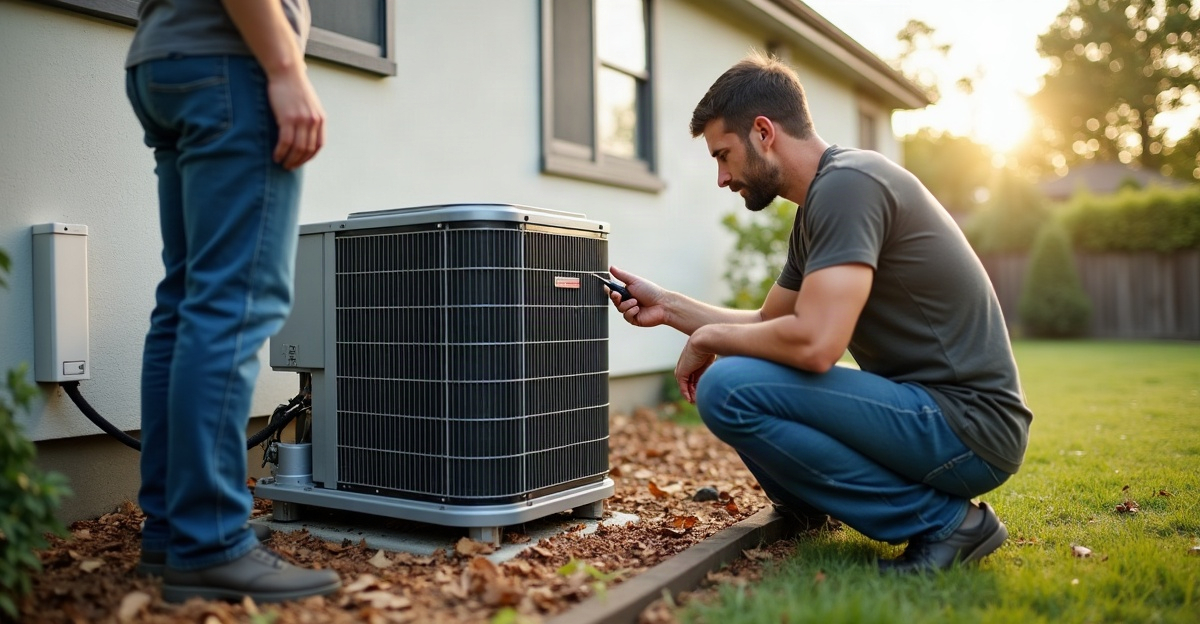
Our AC may make loud noises because of loose panels, debris, restricted airflow, or motor, electrical, compressor, and refrigerant faults. We should arrange prompt professional inspection for serious issues.
Key Takeaways
- We should turn the AC off at once if we hear grinding, loud buzzing, or screeching. Burning odors, smoke, sparks, ice, poor cooling, and repeated breaker trips also require immediate action.
- Rattling can result from loose panels, ductwork, or debris. Banging, grinding, and screeching may signal worn fan, motor, blower, or compressor components.
- Repeated clicking, humming without startup, or ongoing buzzing can indicate a problem with electrical controls, capacitors, contactors, or motors.
- Hissing with ice, oil residue, or weak cooling may indicate a refrigerant leak. A licensed HVAC technician must inspect and repair refrigerant issues.
- We can replace a dirty filter, open blocked vents, and remove debris around the outdoor unit. We should leave electrical, internal mechanical, and refrigerant repairs to a qualified technician.
Quick Answer: What a Loud AC Noise Can Mean
A loud air conditioner noise deserves attention, even if the system still cools the home. Why is my AC making a loud noise? The answer can range from a loose panel or debris near the unit to a motor, electrical, compressor, or refrigerant issue that needs prompt service.
Sound alone cannot confirm the cause. Different problems can create similar noises, so a qualified HVAC technician needs to inspect the system before recommending a repair.
Urgency depends on the sound, cooling performance, and warning signs. Burning odors, smoke, sparks, ice, poor cooling, visible damage, or repeated breaker trips call for immediate action. Prompt attention can limit equipment damage and help restore safe, reliable cooling without treating every rattle as an emergency.
What to Do Right Now if Your AC Is Making a Loud Noise
Turn the AC off if the noise is sudden, loud, grinding, or paired with a burning smell, smoke, sparks, ice, poor cooling, or breaker trips. If it is safe, set the thermostat to “off.” Leave electrical panels, exposed wiring, and internal components alone.
Avoid restarting a noisy unit several times. Repeated starts can put extra strain on a failing motor, capacitor, compressor, or electrical component.
After shutting the system down, you can check for obvious leaves, branches, grass clippings, or loose objects around the outdoor unit. Do not reach through the grille or attempt to move fan blades.
Grinding, persistent buzzing, burning smells, smoke, sparks, repeated breaker trips, humming without starting, visible damage, poor cooling with unusual noise, and hissing with ice or oil residue need prompt professional attention. For serious safety concerns, use emergency HVAC service.
Mild panel rattling, occasional airflow whistling, or debris around the outdoor unit may allow for routine service soon, provided there are no safety symptoms. Any noise that continues or worsens still needs an inspection.
AC Noise Guide: What Each Sound May Indicate
Banging or Clanking
This may indicate a loose or damaged part, a fan blade problem, a blower assembly issue, or a compressor-related concern. Turn the unit off if the sound is loud or ongoing, then arrange an inspection.
Rattling
Loose access panels, screws, ductwork, or debris near the condenser can cause rattling. Persistent rattling may also point to worn internal components and requires inspection to confirm.
Screeching or Squealing
This often points to a motor, blower wheel, fan issue, or a belt on an older system. Schedule service promptly rather than continuing to run the system.
Grinding or Metal-on-Metal Sounds
Worn motor bearings, a failing motor, or compressor trouble may cause grinding. Treat this as urgent. Shut the system off and contact an HVAC professional.
Clicking
One click during startup or shutdown can be normal. Repeated clicking, especially if the AC does not start, may involve a relay, thermostat, capacitor, contactor, or another electrical control issue.
Hissing or Bubbling
Air escaping from ductwork can create a hissing sound. Hissing may also indicate a refrigerant leak. Poor cooling, ice, or oil residue with hissing needs prompt inspection. Refrigerant work requires a licensed professional.
Whistling or Roaring From Vents
Restricted airflow, a clogged filter, closed vents, undersized ductwork, or blower trouble can be responsible. Check basic airflow conditions, then schedule service if the sound remains. A frozen system can also restrict airflow, so review AC freeze-up causes if ice is present.
Why Is My AC Unit Making a Loud Buzzing Noise?
Why is my AC unit making a loud noise, especially a buzz or hum? Loose parts, outdoor debris, electrical trouble, a failing capacitor, contactor trouble, a compressor issue, or a condenser fan problem may be involved.
A capacitor is an electrical component that helps an AC motor start and run. A contactor is an electrical switch that sends power to parts of the system. The compressor moves refrigerant through the AC system to remove heat from the home.
Persistent buzzing needs professional attention, particularly if the unit will not start, the breaker trips, or an electrical smell is present. Capacitors, contactors, wiring, motors, and compressors should only be inspected and repaired by trained HVAC technicians. Never attempt to replace electrical parts based on sound alone.
For more detail on this specific symptom, see loud AC buzzing noises.
Where the Noise Is Coming From Can Help Narrow It Down
Noise from the outdoor condenser may come from loose panels, debris, a fan blade, condenser fan trouble, compressor operation, or electrical buzzing. Heavy summer runtime, thunderstorms, wind-blown debris, and seasonal weather shifts in Methuen, the Merrimack Valley, the North Shore, and Southern New Hampshire can contribute to outdoor-unit wear. Location and weather alone do not diagnose the problem.
Noise near the indoor air handler or furnace may involve the blower wheel, blower motor, loose components, airflow strain, or a belt in older equipment. A loud sound from this area deserves service if it persists.
Vent and ductwork noise often includes whistling, roaring, or rattling. Closed supply vents, blocked return vents, a dirty filter, loose duct sections, or duct sizing issues may contribute. Short, repeated operating cycles can also create unusual sounds; review AC short cycling causes if the system starts and stops often.
Repeated clicking may come from the thermostat or electrical controls. Hissing can occur near refrigerant lines or ductwork. Buzzing can come from electrical components or motors.
Before calling, note where the sound occurs, when it starts, and how long it lasts. It helps to know whether the noise happens only at startup, while cooling, whenever the fan runs, or continuously. This information helps technicians diagnose the issue faster.
Safe Checks Before Calling an HVAC Technician—and What to Leave Alone
You can safely replace a visibly dirty filter if the system uses a standard replaceable filter and the correct size and type are known. Open supply and return vents fully, then remove furniture, rugs, or other obstructions that restrict airflow.
With the AC turned off, clear leaves, grass clippings, branches, and loose objects from around the outdoor condenser. A short video of the sound from a safe distance can also help the technician understand the issue before arrival.
Leave internal and electrical work to trained professionals. Do not open the condenser, electrical disconnect box, or access panels. Do not replace a capacitor, contactor, motor part, compressor component, or wiring. Refrigerant leak detection, recharging, and line repairs also require professional equipment and training.
Never repeatedly reset a tripped breaker or restart a system that makes loud mechanical or electrical noises. During an inspection, experienced technicians check electrical and mechanical components before recommending repairs. That gives homeowners, landlords, property managers, and small business owners clear information for a sound decision. Regular AC maintenance visits can also identify loose parts and wear before they become larger failures.
When to Schedule AC Repair in Methuen and Nearby Areas
Schedule a qualified local HVAC inspection for any loud, persistent, worsening, or concerning AC noise, even if cooling continues. Electrical, motor, compressor, and refrigerant concerns need professional diagnosis because continued operation can increase damage.
We provide AC repair services for cooling concerns that need a clear, honest assessment. If repair costs, equipment age, and reliability raise larger questions, our guide on repairing or replacing AC can help frame the decision.
If your AC is making a loud, persistent, or concerning noise, turn it off when appropriate and schedule an inspection with a qualified local HVAC technician. A prompt diagnosis can help prevent further damage and restore safe, reliable cooling.
Common Questions About Loud AC Noises
Why Is My AC Making a Loud Buzzing Noise but Not Turning On?
A failing capacitor, contactor issue, electrical problem, compressor concern, or stuck fan may be involved. Shut the unit off if buzzing persists or the breaker trips, then arrange service.
Should I Turn Off My AC if It Is Making a Loud Noise?
Turn it off for grinding, loud ongoing buzzing, screeching, burning odors, smoke, sparks, ice, poor cooling, or breaker trips. A mild rattle may allow short-term operation, but it still needs evaluation if it continues.
Why Is My Outdoor AC Unit Rattling or Banging?
Debris, loose panels, screws, fan components, or internal mechanical trouble may cause the sound. Shut it down if banging is loud, continuous, or paired with poor cooling.
Can a Dirty Air Filter Cause a Loud AC Noise?
Yes. A clogged filter can restrict airflow and make vent noise, blower strain, or roaring more noticeable. Replace the filter if appropriate, but arrange service if the sound does not stop.
Is a Hissing Sound From an AC Unit Dangerous?
Hissing may come from duct leaks or refrigerant trouble. Hissing with poor cooling, ice, or oil residue needs prompt professional inspection.
Why Does My AC Make a Loud Noise When It Starts?
A single click can be normal, but loud buzzing, banging, screeching, or repeated clicking at startup may indicate a motor, fan, capacitor, contactor, or compressor issue.
Can I Keep Running My AC if It Is Grinding or Screeching?
No. Grinding and screeching can indicate motor, bearing, blower, fan, or compressor trouble. Turn the system off and schedule an inspection through our HVAC contact page.