
How Often Should You Service Your Air Conditioner?
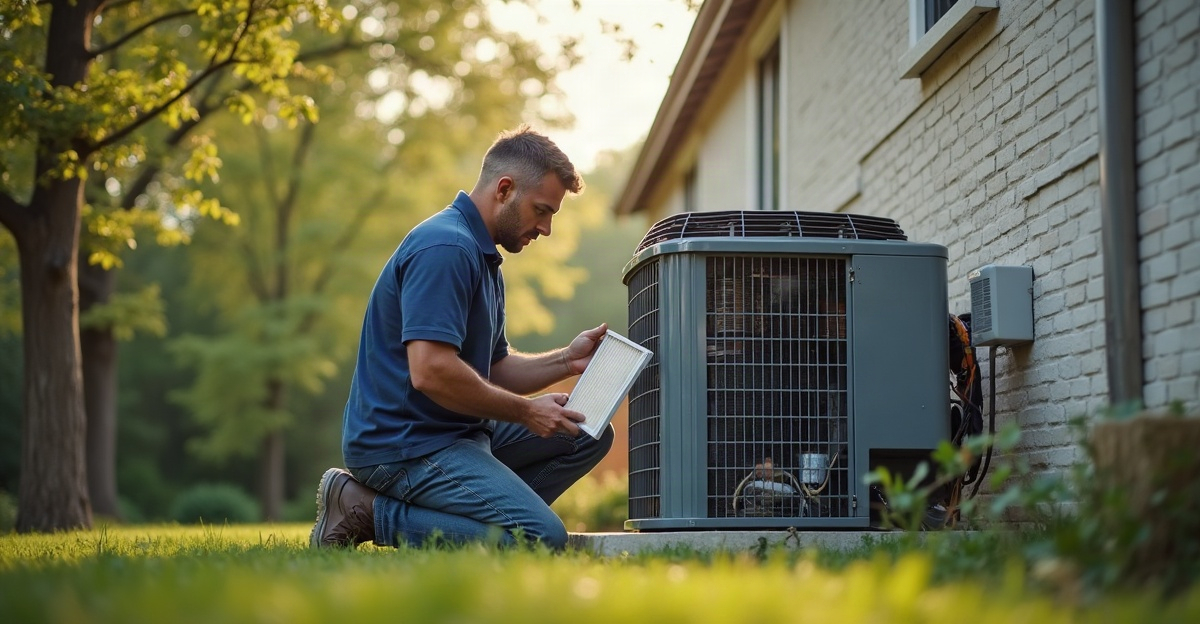
We recommend professional maintenance for most central air conditioners once a year. Schedule service in spring before hot, humid weather raises system demand. We also recommend a diagnostic visit sooner if we notice weak airflow, warm air, leaks, unusual noises, short cycling, or inconsistent cooling.
Key Takeaways
- We recommend annual professional AC service as the standard for most home systems.
- Spring maintenance helps us find issues before peak cooling season and increased emergency-service demand.
- Older units, frequently used systems, and homes with pets, dust, renovations, or recurring repairs may require more frequent service.
- Routine maintenance checks performance, airflow, electrical parts, drainage, and visible equipment condition. It doesn’t replace necessary repairs.
- We should check filters regularly, keep vents and the outdoor unit clear, and leave electrical, refrigerant, and internal repairs to a qualified technician.
How Often to Service AC Systems
For most homes, the answer to how often to service AC equipment is once each year. Annual maintenance gives a technician a chance to inspect the system before the busiest part of the cooling season.
Spring is usually a good time to schedule service. Temperatures are often milder, and homeowners can address problems before the air conditioner must run for long periods.
Regular cooling services can also help identify developing problems before they affect comfort during hot weather.
Some systems may need attention more often than once per year. Age, usage, indoor conditions, and past repair history can all influence the best maintenance schedule.
Why Annual AC Service Matters
An air conditioner contains electrical parts, moving components, drainage lines, coils, controls, and airflow equipment. These components work together whenever the thermostat calls for cooling.
Normal use can lead to dirt buildup, wear, loose connections, or drainage issues.
Annual service allows a technician to review system condition and performance.
Routine maintenance may help:
- Catch developing problems earlier
- Support consistent cooling
- Maintain proper airflow
- Reduce strain on components
- Identify drainage issues
- Detect unusual wear
- Keep the system operating as intended
Maintenance cannot prevent every repair. However, it can provide useful information about the condition of the equipment.
When Is the Best Time to Service an Air Conditioner?
Spring is often the most practical season for AC maintenance.
Scheduling before summer gives us time to address worn parts, clogged drainage, airflow restrictions, or other concerns before hot weather arrives.
Why Spring Maintenance Helps
Once summer temperatures rise, air conditioners may run for many hours each day.
If a problem develops during peak season, it can affect comfort quickly.
Spring service gives the technician an opportunity to test the system before demand increases.
It can also help us avoid discovering a problem on the first very hot day of the season.
Can We Service the AC in Summer?
Yes. AC service can still be performed during summer.
We should not delay necessary maintenance or repairs simply because the cooling season has already started.
If the system is showing performance problems, professional inspection is more important than waiting for a particular season.
What Happens During an AC Service Visit?
The exact maintenance process depends on the system and its condition.
A professional technician may inspect several areas of the equipment.
Thermostat and Controls
The thermostat tells the air conditioner when to run.
A technician may check the thermostat settings and confirm that the system starts and stops correctly.
Control problems can sometimes cause short cycling, long run times, or inconsistent temperatures.
Airflow
Good airflow is essential for cooling performance.
The technician may inspect filters, supply airflow, return-air conditions, and visible areas that could restrict circulation.
For broader concerns involving airflow, controls, or other comfort equipment, HVAC general services can help identify the source.
Electrical Components
Air conditioners depend on several electrical connections and components.
A technician can check visible wiring and electrical parts for signs of wear, damage, or overheating.
Homeowners should leave internal electrical testing and repairs to qualified professionals.
Condensate Drainage
Air conditioners remove moisture from indoor air.
That moisture must drain away properly.
A clogged drain can lead to water around the equipment, higher humidity, or system shutdowns.
Outdoor Equipment
The outdoor condenser needs adequate airflow.
Technicians may inspect the unit for debris, dirt, physical damage, or other conditions that could affect heat transfer.
When Should We Service an AC More Than Once a Year?
Annual maintenance works well for many homes, but some systems may benefit from more frequent inspections.
Older Air Conditioners
Older units can develop wear more often.
If an AC has required several repairs or has experienced recurring performance issues, an additional inspection may be reasonable.
Heavy Cooling Use
Air conditioners that run for long periods experience more operating hours.
A frequently used system may require closer attention than a unit that runs only occasionally.
Homes With Pets or Dust
Pet hair, dust, and other airborne particles can affect filters and airflow.
We may need to inspect or replace filters more frequently in these homes.
Recent Renovations
Construction and remodeling can create large amounts of dust.
Even if the HVAC system was protected during the project, it is worth checking filters and airflow afterward.
What AC Maintenance Can Homeowners Do?
Professional service should handle technical inspections, electrical work, refrigerant issues, and internal repairs.
However, homeowners can perform several simple maintenance tasks between service visits.
We can:
- Check the air filter regularly
- Replace dirty filters as recommended
- Keep supply vents open
- Keep return grilles unobstructed
- Remove leaves and debris around the outdoor unit
- Keep furniture away from vents
- Watch for new noises or odors
- Monitor cooling performance
- Check for visible water near indoor equipment
These simple habits can help us notice problems before they become more serious.
What Are Signs the AC Needs Service Early?
We do not need to wait for the annual maintenance appointment if the air conditioner starts behaving differently.
Schedule a diagnostic visit when we notice:
- Warm air from the vents
- Weak airflow
- Rooms cooling unevenly
- Frequent short cycling
- Unusually long run times
- New rattling, buzzing, or grinding sounds
- Water near the indoor unit
- Ice on refrigerant lines
- Higher cooling bills without an obvious reason
- A thermostat setting that the system cannot reach
JP Heating & Cooling Services can inspect cooling concerns and help determine whether maintenance or repair is appropriate.
When Does an AC Problem Become an Emergency?
Some problems require faster attention than routine maintenance.
Burning smells, smoke, repeated breaker trips, strong electrical buzzing, or significant water near electrical equipment can indicate a safety concern.
We should shut off the system if continuing to operate it appears unsafe.
A complete loss of cooling may also become urgent during extreme heat, especially when vulnerable occupants are in the home.
When immediate assistance is needed, emergency HVAC services can help address urgent heating and cooling problems.
Frequently Asked Questions
Is servicing an AC once a year enough?
For most central air conditioners, annual professional maintenance is a reasonable standard. Older systems or units with recurring problems may need additional inspections.
What month should I service my AC?
Spring is usually a good time. It allows us to check the system before temperatures rise and the air conditioner begins running more frequently.
What happens if I skip AC maintenance?
Skipping maintenance does not guarantee that the system will fail. However, dirt, wear, drainage issues, and developing mechanical problems may go unnoticed until they begin affecting cooling.
How often should I change my AC filter?
Filter replacement frequency depends on the filter type, household conditions, pets, dust, and system usage. We should inspect the filter regularly and replace it when it becomes dirty.
Does AC maintenance include repairs?
Routine maintenance usually focuses on inspection, cleaning, testing, and identifying concerns. If the technician discovers a failed or damaged component, additional repair work may be necessary.
Schedule Regular AC Maintenance
Knowing how often to service an AC makes it easier to prepare for the cooling season. For most homes, one professional service visit each year is a practical starting point.
Annual maintenance can help us monitor airflow, drainage, electrical components, controls, and overall system condition. We should also schedule earlier service whenever the air conditioner begins showing unusual symptoms.
JP Heating & Cooling Services can help with routine maintenance, cooling problems, and HVAC repairs. To discuss your system or schedule an appointment, contact us today.