
When Should You Replace Your Air Conditioner?
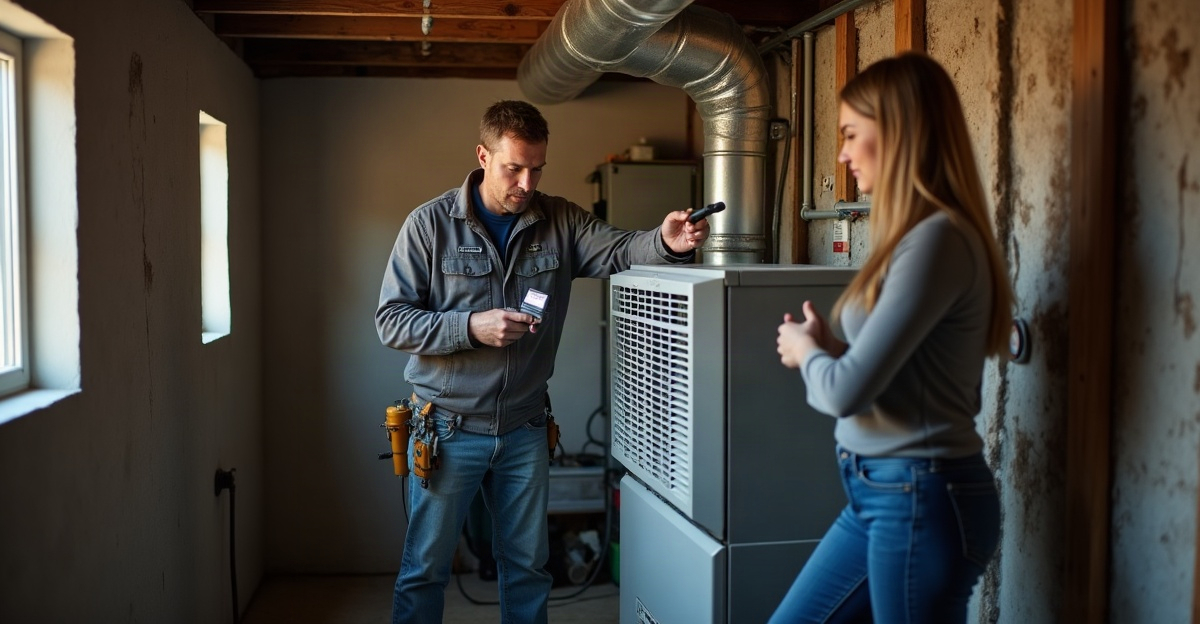
We determine when to replace an AC system by reviewing its condition, repair history, cooling performance, and operating costs—not age alone. Replacement often makes more sense when major repairs, unreliable cooling, outdated refrigerant, or repeated breakdowns make consistent comfort unlikely.
Key Takeaways
- Central air conditioners often last 10–15 years. Maintenance, installation quality, and usage can extend or shorten that lifespan.
- We recommend replacement when repairs become frequent or expensive, energy bills increase, parts become unavailable, or the system cools and dehumidifies unevenly.
- We may recommend repairing a newer, well-maintained unit with a minor, isolated problem.
- Electrical burning odors, smoke, repeated breaker trips, suspected refrigerant leaks, or lost cooling during extreme heat require prompt professional service.
- Before replacing equipment, we check system sizing, ductwork, airflow, insulation, and electrical capacity. These checks help the new system deliver the performance we expect.
The Quick Answer: Replace Based on Condition, Cost, and Reliability—Not Age Alone
Knowing when to replace AC equipment starts with its current condition, not its age alone. Central air conditioners commonly last around 10–15 years, yet maintenance, installation quality, usage, and local weather can shorten or extend that range.
A newer, well-maintained system with one affordable, isolated issue is often worth repairing. Replacement deserves serious consideration when repairs keep returning, costs rise, comfort remains poor, or the repair will not restore dependable cooling. Our guide on repairing or replacing an AC can help frame that decision.
Seek prompt professional help if there is an electrical burning smell, smoke, repeated breaker trips, water near electrical components, a suspected refrigerant leak, loud mechanical noise, or complete cooling loss during extreme heat. Do not keep running equipment with an electrical or safety concern.
For safety issues or no cooling during extreme heat, contact emergency HVAC service promptly. Fast action matters even more when children, older adults, pets, or other vulnerable occupants could face unsafe indoor temperatures.
Signs Replacement May Be the More Practical Choice
Several signs it is time to replace an AC unit can point to a system that has become expensive or unreliable to keep. Age matters, especially once a central unit reaches or passes the common 10–15-year range, but the full service record matters more.
Replacement may be the practical route if the system needs frequent repairs, utility bills have climbed after other causes are ruled out, or it runs constantly without cooling evenly. Poor humidity control, warm rooms, weak airflow, and repeated shutdowns can also signal a larger system problem. If the unit runs but leaves the home uncomfortable, review why an AC runs without cooling before assuming the outdoor unit alone has failed.
A major failure, such as AC compressor failure or a leaking evaporator coil, often changes the repair-versus-replacement calculation. The same is true when parts are obsolete, unavailable, or no longer sensible to install. An older refrigerant may also be harder and more expensive to source, which can make it wise to replace an old air conditioner rather than keep investing in it.
We inspect more than the condenser outside. A useful evaluation includes the system age and model, maintenance history, refrigerant type, compressor condition, recurring failures, coils, electrical components, thermostat operation, airflow, ductwork, and equipment sizing.
Humid summers in Methuen, the Merrimack Valley, the North Shore, and Southern New Hampshire can make uneven temperatures and humidity problems much more noticeable. Older homes may also have insulation gaps, aging electrical service, duct leaks, or airflow restrictions. In those cases, a replacement alone may not resolve the comfort issue.
When Repairing Your Air Conditioner Still Makes Sense
AC repair versus replacement is not a one-way decision. Repair can be the right choice for a relatively new system that has been maintained, cools evenly, has available parts, and needs a minor repair that should restore reliable operation.
A clogged filter, thermostat issue, drainage concern, minor electrical component, or one worn part may be worth fixing when the rest of the system is in good shape. We recommend a professional diagnosis before making that call. Refrigerant, electrical, compressor, and internal mechanical concerns need trained service, not do-it-yourself testing or repairs.
Is it worth repairing a 10-year-old AC unit? Sometimes. Ten years alone does not require replacement. We consider the repair type, maintenance history, refrigerant, efficiency, warranty coverage, existing comfort issues, and likely remaining service life. If one repair can deliver several more dependable seasons, it may be a sound investment. If it only delays another major failure, replacement may offer better value.
For clear help with a sudden loss of cooling, loud operation, or repeated cycling, our air conditioning services provide practical answers without pressure.
Compare the Full Cost of Repairing Versus Replacing
A repair quote is important, but it is only part of the cost. When deciding when to repair or replace AC equipment, weigh expected future repairs, energy use, warranty coverage, parts availability, peak-summer breakdown risk, installation needs, and whether the repair meaningfully extends the unit’s life.
Some people use the “$5,000 rule” as a conversation starter by multiplying system age by repair cost. It is not a final formula. That math cannot account for equipment condition, the type of repair, efficiency, warranty status, comfort problems, local installation costs, or expected remaining lifespan.
AC replacement cost factors include system capacity, efficiency level, equipment type, access to the installation area, ductwork changes, electrical upgrades, permits, disposal, refrigerant, labor conditions, and other installation requirements. We provide clear options after evaluating the property, rather than relying on broad estimates that may not fit the job.
SEER2 is the current standard used to compare cooling efficiency. A higher SEER2 efficiency rating can reduce energy use, but it will not create identical savings in every property. Proper sizing, duct condition, insulation, thermostat settings, maintenance, occupancy, and daily use all affect a new AC electric bill.
Should we replace an AC if the compressor fails? A newer unit under warranty may justify compressor repair. An older system with an expensive compressor failure, older refrigerant, poor efficiency, or other recurring issues often makes replacement worth considering. Is it better to repair or replace an AC unit with older refrigerant? Replacement can be the more reliable long-term option when refrigerant and compatible parts are difficult or costly to obtain.
Why Proper Sizing, Ductwork, and Timing Matter Before Replacement
Replacing the existing unit with the same size is not always the right move. We recommend an AC load calculation, which measures the home or building’s cooling needs based on its space, layout, insulation, windows, occupancy, and other conditions.
A properly sized air conditioner supports steady comfort, better humidity control, and efficient performance. Oversized equipment can cool too quickly and leave humidity behind. Undersized equipment may run for long periods without reaching the set temperature.
AC ductwork and airflow also affect results. Leaky ducts, blocked returns, poor insulation, thermostat problems, and limited electrical capacity can prevent a new system from performing as expected. A professional evaluation should identify these concerns before installation.
How do we know if an AC is too small or too large? Persistent short cycling, uneven temperatures, constant runtime, poor humidity control, and weak airflow can be clues, but a load calculation gives the reliable answer. How many years should a central air conditioner last? Around 10–15 years is common, though service history and installation quality remain key.
AC replacement before summer gives homeowners, landlords, property managers, and small business owners more time to compare options. Heat waves tighten HVAC schedules quickly, and humid Northeastern summers raise the demand for dependable cooling. We serve local properties with HVAC services in Methuen and nearby communities with responsive, honest recommendations.
What to Do Before You Schedule a Diagnostic Visit
A few safe checks can help us diagnose the issue faster:
- Check the air filter and replace it if it is clogged.
- Confirm the thermostat is set to cool and has working power or batteries.
- Check for a tripped breaker, but do not repeatedly reset one that trips again.
- Record the unit’s approximate age, brand, accessible model number, and recent repair history.
- Make notes about warm rooms, weak airflow, short cycling, humidity, unusual sounds, water, or higher utility bills.
These details help identify patterns and clarify when to replace AC equipment.
Request an itemized AC diagnostic that explains the immediate repair, expected reliability, and replacement options when relevant. Ask what caused the problem, whether the repair is likely to last, whether parts are readily available, and what replacement would solve that repair would not.
A qualified local HVAC professional should offer a direct repair-versus-replacement comparison, especially when humid weather, peak-season scheduling, or an aging system adds urgency. Schedule service through our HVAC contact page for clear recommendations, transparent pricing, and dependable next steps.