What Are the Signs of a Failing Furnace?
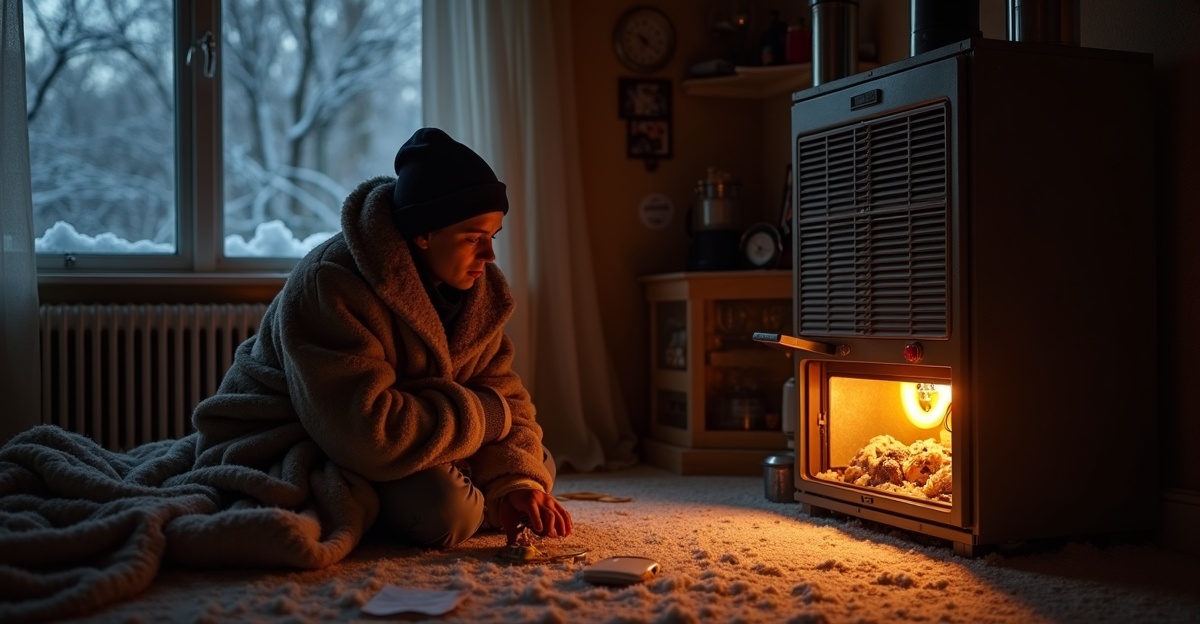
Spotting furnace trouble early helps prevent a costly breakdown in freezing temperatures. Strange sounds or spiking utility bills often reveal issues that need fast action.
Key Takeaways
- Rattling or banging often means loose components or a faulty burner. Fix these before they lead to bigger damage.
- Inconsistent temperatures across rooms usually suggest poor airflow or a faulty thermostat. Address this to restore even heating.
- A yellow pilot light should never be ignored—it might signal a carbon monoxide hazard. Prioritize safety checks.
- Frequent cycling or startup trouble often results from dirty filters or ignition system faults. Clean parts and replace what’s necessary.
- Units over 15 years old typically show declining efficiency and need repairs more often. Consider whether maintenance or a new system makes more sense.
Clear Signs Your Furnace Might Be Failing
Spotting the signs of a failing furnace early helps prevent bigger problems. These furnace warning signs are the most common red flags you shouldn’t ignore.
Unusual Noises
A furnace making noise—rattling, buzzing, or banging—is usually a clue something’s wrong. Rattling may mean loose panels or screws. Buzzing sounds often point to electrical issues. If you hear banging, that could signal a dirty burner or delayed ignition. Strange noises should never be ignored.
Uneven Room Temperatures
If some rooms feel much colder than others, it could mean poor airflow, a dirty filter, or thermostat trouble. Uneven heating in house setups is frustrating and wastes energy, especially if your system keeps running to compensate.
Short Cycling
A furnace turning on and off frequently—short cycling—may indicate a clogged filter, faulty thermostat, or even an oversized unit that’s not operating efficiently, as explained in major HVAC manufacturer guidance on short cycling causes. Frequent cycling increases wear and drives up bills quickly.
Rising Heating Bills
A sharp jump in your heating costs without any change in usage is a big indicator. Rising heating bills often go hand in hand with declining furnace efficiency, especially as systems fall below ENERGY STAR efficiency standards for modern furnaces, especially in older systems or ones overdue for maintenance.
Yellow Pilot Light
The pilot light should burn bright blue. A yellow flame can mean poor ventilation, gas flow issues, or a sign that carbon monoxide may not be venting safely, according to the CDC’s guidance on home heating and carbon monoxide exposure. This is a key example of a furnace not working safely and warrants immediate action.
Trouble Starting or Staying On
If your furnace struggles to turn on or cuts out unexpectedly, you may have an issue with the ignition, power supply, or internal components. Constant restarts add stress to the unit and make it less dependable during cold weather.
Persistent Odors
A burning smell when the furnace first fires up can be normal—just dust. But constant burning, gas smells, or musty odors from vents are not. Burn smells might mean electrical trouble, while mustiness hints at mold inside ducts. Gas smells require immediate attention.
Furnace Age
If your system is over 15 years old and needing frequent care, it’s worth assessing how much longer you can rely on it. Older models lose efficiency and often cost more to maintain than to replace.
Recognizing these issues early helps keep your home warm and safe. If anything on this list sounds familiar, don’t wait. We offer expert emergency furnace service across the region.
What’s Safe to Try Before Calling a Pro
Some issues have simple fixes you can try yourself. These furnace troubleshooting steps are safe and can sometimes solve the problem without a service call:
Self-Checks Before You Call
- Replace the air filter — clogged filters can reduce airflow and trigger shutdowns.
- Check the thermostat — make sure it’s set to “heat” and the batteries are working.
- Look at the power switch — some furnaces have a standard light-switch-style power cut-off.
- Inspect the home’s breaker panel — reset it if the furnace breaker is tripped.
- Make sure the air vents are clear — blocked vents can cause airflow issues and uneven room temperatures.
These steps are simple and don’t require tools or deep knowledge. Just stay away from anything involving internal wiring, gas lines, or burner adjustments. That’s where things can get unsafe fast. If you’re still not getting heat or experience strange odors, it’s time to bring in an expert. Even if your furnace is not working, help is nearby, and we’re ready to respond.
When It’s Time to Call a Professional
Some problems go beyond a quick fix. Knowing when to get expert furnace repair is key to keeping your system safe and your home comfortable.
Call in a licensed technician right away if:
- You smell gas or constant burning odors.
- The furnace won’t turn on or keeps shutting down.
- Vents are pushing out cold air instead of warmth.
- Your energy bills climb without increased usage.
- The system is aging and breaking down often.
Don’t take risks with safety. A professional inspection can uncover hidden issues, from cracked heat exchangers that can leak combustion gases into the home to faulty sensors.. For Methuen and greater Merrimack Valley homeowners, help is always nearby with our 24/7 emergency furnace service. Fast diagnostics and straight answers are what we deliver every day.
What Furnace Problems Mean—and What They Don’t
Understanding your furnace’s signals helps you make confident choices. Here’s what some common furnace warning signs could mean:
- A banging noise may point to a loose blower or dirty burners—both are fixable.
- Uneven heating? That could stem from a duct leak or clogged filter.
- Fast cycling (on/off behavior) may be due to a thermostat issue or poor system sizing.
- A yellow pilot light often means there’s a ventilation or combustion imbalance.
These issues don’t always call for a new unit. Symptoms like these can often be handled without major expense. Our honest approach means we’ll tell you when a fix solves the issue—or when bigger problems, like a cracked heat exchanger or outdated components, mean it’s time to look forward.
We’ll explain the problem clearly, talk through the options, and never push for replacement unless it’s truly needed.
Furnace Age and Efficiency: When Replacement May Be Smarter Than Repair
Older systems don’t age gracefully. After about 15 years, most furnaces start showing signs of strain, which aligns with U.S. Department of Energy guidance on typical furnace life expectancy. If you’re noticing breakdowns every season or costs creeping up, it may be time to evaluate.
Here are signs it might be time to replace:
- Your furnace has been running more than 15 years.
- Repair calls are becoming more frequent.
- You’re seeing rising heating bills without lower outside temps.
- It’s working hard—but the house is still cold.
A high-efficiency replacement can lower your utility bills and bring better comfort control. We understand this is a big step. That’s why we offer clear pricing and practical advice to help with decision-making. Whether it’s a quick system check or a full upgrade, we’re here to guide you.
If you’re exploring costs or want to plan ahead, we’re available to provide estimates and help you budget with financing options where needed.
Why Local Help Matters During New England Winters
Winter isn’t forgiving in our area. A furnace glitch in January can turn serious fast. Cold snaps stretch systems to their limit—and that’s when older or stressed furnaces often fail.
With more than 15 years serving Methuen, the North Shore, and Merrimack Valley, we know how quickly a furnace problem can go from annoying to urgent. We see a surge in emergency calls during deep freezes—people waking up to cold homes or furnaces shutting off overnight.
That’s why our team remains on-call through nights, weekends, and holidays—to get your heat back fast. We work quickly, price honestly, and make safety a priority.
Need fast, fair help? Our team is standing by, ready to respond—even tonight. We proudly serve communities across the region, including Methuen, North Andover, and Andover. For expert furnace repair from a local HVAC contractor you can rely on before the next cold snap hits, we’re already heading your way.
Frequently Asked Questions
The most common signs of a failing furnace include unusual noises, uneven heating, frequent cycling, rising energy bills, and trouble starting. These symptoms usually indicate airflow problems, worn components, or efficiency loss. Addressing them early can prevent sudden breakdowns and help avoid safety risks during colder months.
Yes, a furnace can continue running while failing, but performance and safety often decline. It may heat inconsistently, turn on and off frequently, or require constant thermostat adjustments. Operating a failing furnace increases energy costs and the chance of a complete shutdown when demand is highest.
A yellow pilot light is a serious warning sign. It often indicates combustion or ventilation problems that may cause carbon monoxide to build up. While the furnace may still operate, this condition signals unsafe performance and should be inspected immediately by a professional for proper diagnosis.
Most furnaces begin showing problems after 15 to 20 years of use. As components wear down, efficiency drops and repairs become more frequent. Regular maintenance can extend lifespan, but recurring issues in an older system often signal that failure is becoming more likely.
Whether to repair or replace depends on the furnace’s age, efficiency, and repair history. Minor issues in newer systems are often worth fixing. However, if an older furnace shows multiple failure signs and rising costs, replacement may be the more reliable and cost-effective option.