
Why Is My Thermostat Not Reaching the Set Temperature?
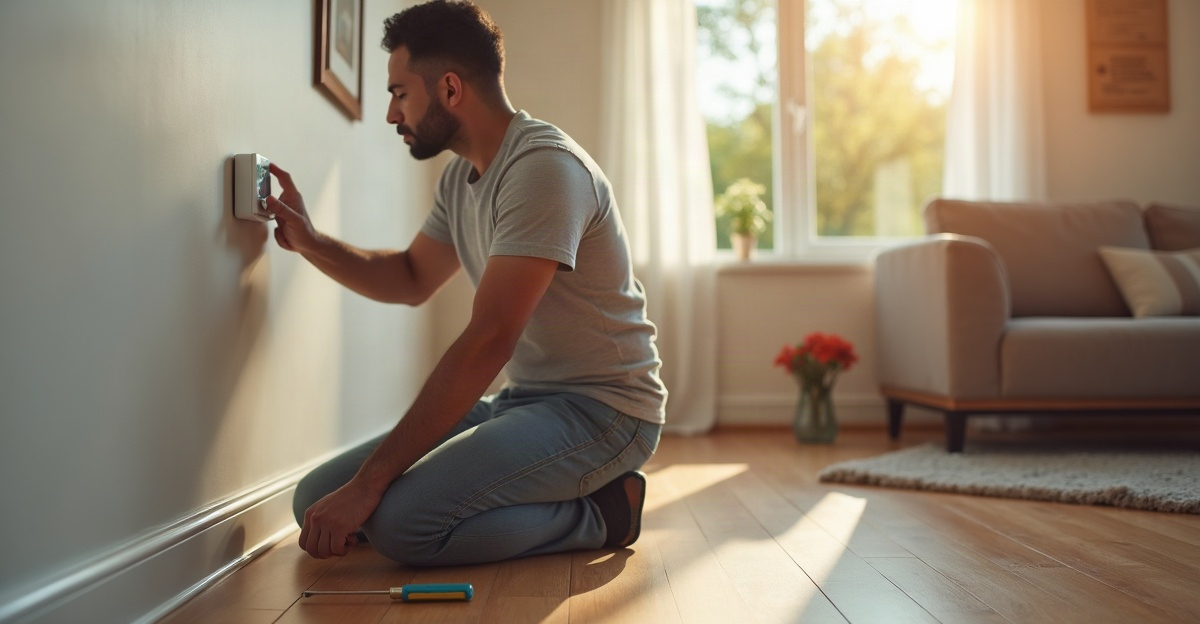
A thermostat that doesn’t reach the set temperature usually points to an issue with the heating or cooling system, airflow, ductwork, or home conditions. We should first check thermostat settings, batteries, filters, vents, and outdoor-unit clearance. We should then schedule prompt service for ongoing temperature gaps, weak airflow, frequent cycling, or unusual system behavior.
Key Takeaways
- A thermostat setting sets a target. Weather, humidity, insulation, air leaks, sunlight, and equipment capacity can affect whether our home reaches that target.
- We can safely check dirty filters, blocked vents, incorrect settings, weak batteries, and poor thermostat placement first.
- A furnace or heat pump that runs continuously without warming our home may have airflow, duct, ignition, electrical, or capacity issues.
- An AC system that runs without cooling may have restricted airflow, frozen coils, drain problems, refrigerant issues, or failed electrical components.
- We should leave immediately and contact emergency services or the gas utility if we notice gas odors, carbon monoxide alarms, smoke, sparks, or burning smells.
Quick Answer: Why a Thermostat Is Not Reaching the Set Temperature
A thermostat not reaching the set temperature often points to a heating or cooling system problem, rather than a failed thermostat. The thermostat reports the indoor temperature and calls for heat or cooling, but the equipment, airflow, ducts, insulation, and outdoor conditions determine whether the house reaches that target.
A thermostat setting is a target, not a guarantee that every home can reach and hold any chosen temperature in every condition. Outdoor weather, humidity, insulation, air leaks, windows, direct sun, occupancy, thermostat location, maintenance history, and equipment capacity all affect performance.
Common reasons the house will not reach the temperature we set include incorrect thermostat settings, weak batteries, dirty filters, blocked vents, poor airflow, frozen coils, refrigerant trouble, electrical faults, furnace ignition problems, condensate drain shutdowns, and duct or insulation issues. A growing gap between the set point and indoor temperature, nonstop operation, uneven rooms, frequent cycling, or a clear change from normal performance all deserve attention.
Call for Emergency Help Now if These Signs Appear
Leave the area immediately if there is a gas odor or any reason to suspect a gas leak. Do not use switches, phones, flames, appliances, or anything that could create a spark near the suspected leak. Contact the gas utility or emergency services from a safe location.
Leave the building and call emergency services if a carbon monoxide alarm activates or anyone has headache, dizziness, nausea, confusion, or fainting. Treat smoke, sparking, burning odors, water near electrical HVAC parts, repeated shutdowns, loud electrical buzzing, or a breaker that keeps tripping as urgent concerns.
No heat during dangerously cold Massachusetts weather can also become an emergency, especially where children, older adults, people with medical needs, or pets are present. Cold snaps in Methuen, the North Shore, Merrimack Valley, and Southern New Hampshire can make a no-heat situation urgent. For immediate system concerns, contact us for emergency HVAC service.
We should never open electrical panels, remove equipment access panels, bypass safety switches, handle capacitors or wiring, work with refrigerant, repair gas equipment, relight a pilot, or take apart an outdoor condenser or heat pump. These tasks require trained service professionals and proper safety equipment.
Safe Checks to Try Before Scheduling HVAC Service
Simple Checks That Can Restore Normal Operation
Start with these safe checks before assuming the thermostat has failed:
- Thermostat mode: Confirm it is set to Heat or Cool, not Off, Fan Only, or an unintended schedule mode.
- Fan setting: Set the fan to Auto unless continuous airflow is intentional. The On setting can make rooms feel cooler in heating season or warmer in cooling season.
- Temperature setting: Set the target a few degrees beyond the current indoor temperature, then allow the system a few minutes to respond.
- Extreme settings: Turning the thermostat much higher or lower usually will not heat or cool the home faster. It simply keeps the system running longer and can increase discomfort and energy use.
- Batteries and display: Replace weak thermostat batteries when applicable. A blank display or error message may point to a power, battery, or control issue.
- Air filter: Replace a visibly dirty filter with the correct size and type. A restricted filter can reduce airflow and trigger system safety controls.
- Vents and returns: Keep supply vents and return grilles open and clear of furniture, rugs, curtains, and storage. Learn more about weak airflow from vents when rooms feel stuffy or uneven.
- Thermostat location: Check for direct sunlight, drafts, nearby cooking heat, lamps, or other heat sources that may distort its reading.
- Outdoor unit: Look for visible debris, vegetation, snow, ice, or other obstructions around the unit. Do not chip ice away or dismantle equipment.
- Breaker: Check a tripped breaker only if it is safe. If it trips again, leave it off and call for service rather than resetting it repeatedly.
If these checks do not restore normal operation, we can test the system safely and identify the actual cause. A sudden failure may involve controls, power, or safety switches; see common reasons an HVAC system stops working unexpectedly.
When the Furnace or Heat Pump Cannot Reach the Set Temperature
A heating problem needs prompt attention when the thermostat is set to 72 but the house is only 68, particularly during sustained winter weather. If the furnace keeps running but the home stays cold, restricted airflow, duct leakage, equipment faults, or heat loss may be limiting performance.
Dirty filters, blocked vents, weak blower operation, disconnected ducts, poor insulation, and air leaks can all keep warm air from reaching living spaces. A furnace may also short-cycle because of overheating, a dirty filter, a limit-switch issue, ignition trouble, burner concerns, electrical faults, or thermostat placement problems. For more on frequent cycling, review heater short-cycling causes.
Heat pumps can lose heating capacity during very cold weather, while frost or ice can further reduce output. A properly operating system may run longer in severe conditions, but an unusually large temperature gap, repeated shutdowns, unusual noises, or a major decline from normal performance should be evaluated.
Furnace ignition, burner, fuel-related, limit-switch, and heat-exchanger concerns require professional service. We should also schedule help if the system produces little or no heat, shuts down repeatedly, or cannot maintain safe indoor conditions. Our heating services team can diagnose the equipment, thermostat, airflow, and ductwork without guesswork.
When the AC Keeps Running but the House Stays Warm
If the AC runs but the house stays warm, start with the filter, vents, thermostat settings, and outdoor-unit clearance. A dirty air filter can keep a thermostat from reaching the set temperature because it restricts the air moving across the indoor coil and through the home.
Other cooling causes include a frozen evaporator coil, condensate drain trouble, a float-switch shutdown, refrigerant problems, duct leaks, electrical faults, and failed components such as a capacitor, contactor, compressor, or control board. Humid North Shore and Merrimack Valley summers place added demand on both cooling and moisture removal.
Solar heat through windows, poor insulation, air leakage, high indoor occupancy, and equipment sizing can also affect comfort. There is no single indoor-to-outdoor temperature difference that fits every home. Humidity, sun exposure, window quality, maintenance, and system capacity all matter.
Call for service if there is ice buildup, weak airflow, warm air from vents, water around equipment, unusual electrical buzzing, or a widening difference between the set temperature and the indoor reading. Our guide to AC running but not cooling covers additional warning signs, and our cooling services team can inspect the system safely.
When to Repair, Replace, and Prevent Future Temperature Problems
Many temperature-reach problems are repairable. Dirty filters, airflow restrictions, drain issues, thermostat batteries, programming errors, duct repairs, electrical components, and many furnace or AC performance concerns do not automatically mean replacement is necessary.
Replacement becomes worth evaluating when equipment has repeated breakdowns, major component failure, chronic sizing problems, advanced age, high repair costs relative to condition, or ongoing comfort and efficiency trouble. We should test the actual cause before recommending repair or replacement. A reliable technician should explain the findings, outline available options, and provide an honest estimate without pressure or unsupported promises.
Regular prevention helps avoid future problems. Change filters on an appropriate schedule, arrange seasonal maintenance, keep outdoor equipment clear, and keep vents and returns unobstructed. New noises, unusual cycling, energy-bill changes, and recurring hot or cold rooms should be checked early. Persistent room differences may point to ducts, insulation, airflow, or system-balancing concerns; review uneven home cooling for practical guidance.
If basic checks do not restore normal operation, contact us through our HVAC contact page for respectful, straightforward diagnosis in Methuen, the North Shore, Merrimack Valley, and Southern New Hampshire.