
How Often Should You Change HVAC Filters in Your Home?
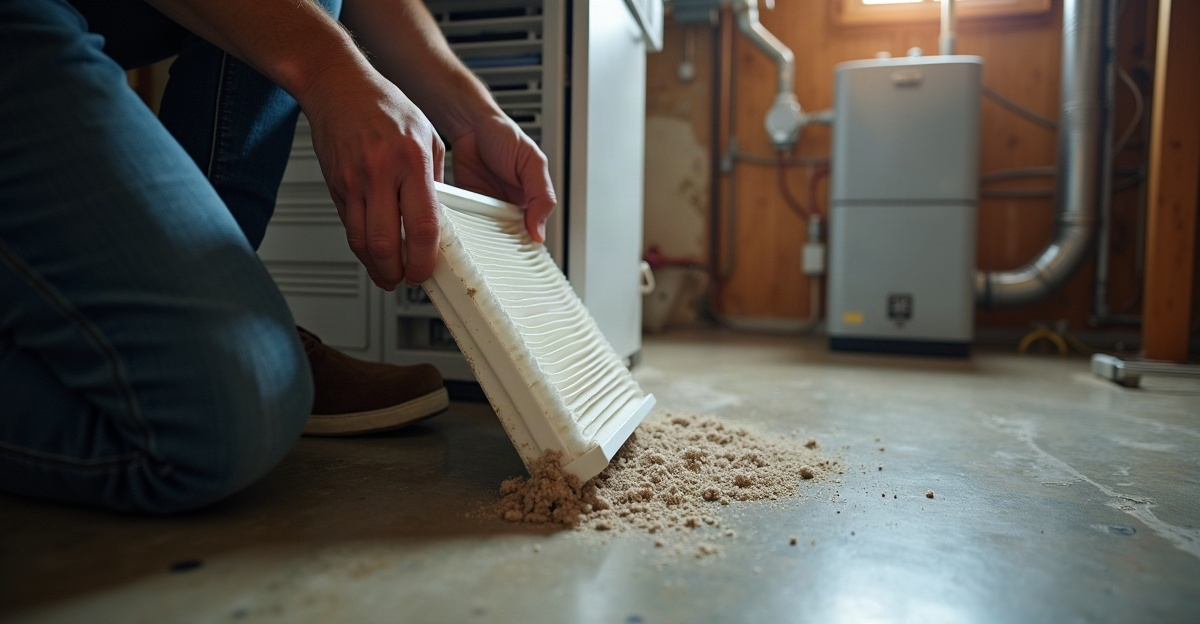
HVAC filter replacement frequency depends on filter thickness, manufacturer guidance, system runtime, and conditions such as pets, dust, allergies, or heavy seasonal use. We should check filters monthly. We should replace most 1-inch filters every 30–90 days as needed. We should follow approved intervals for deeper media filters, which often last 6–12 months.
Key Takeaways
- We should inspect our HVAC filter every month. We should replace it if it looks clogged, blocks light, or reaches the manufacturer’s recommended service interval.
- Standard 1-inch filters often need replacement every 30–90 days. Four-inch and 5-inch media filters may last 6–12 months.
- Pets, smoking, allergies, renovation dust, high occupancy, and long heating or cooling cycles can shorten filter life.
- We should use the filter size and MERV rating approved for our furnace, air handler, or heat pump. An overly restrictive filter can reduce airflow.
- If weak airflow, frozen AC coils, short cycling, unusual odors, or other issues continue after we install a clean filter, we should arrange professional HVAC service promptly.
The Quick Answer: Check Monthly, Replace as Needed
Most homes need an HVAC filter check every month and a replacement about every one to three months. A monthly check does not mean every filter requires monthly replacement. Replace the filter when visible buildup covers the media, light no longer passes through easily, or it reaches the service interval listed by its manufacturer.
For anyone asking how often they should change HVAC filters, HVAC air filters, or furnace and AC filters, the right answer depends on the filter and the home. Filter packaging, HVAC equipment manuals, and installer or manufacturer instructions should always take priority over general schedules.
Quick-Reference Replacement Intervals
| Filter Type or Condition | Common Replacement Interval |
|---|---|
| Standard 1-inch filter | Every 30–90 days |
| 4-inch or 5-inch media filter | Every 6–12 months, based on manufacturer guidance and home conditions |
| Homes with pets, allergies, smoking, high occupancy, or heavy dust | Inspect more often and expect shorter intervals |
| Vacant or lightly occupied homes | May last longer, but still require routine inspection |
A clean filter supports steady airflow, reliable comfort, and efficient system operation. Keeping a spare filter at home makes this simple, especially before severe winter cold or summer heat arrives.
What Changes Your HVAC Filter Replacement Schedule
There is no single filter schedule that fits every property. Filter thickness matters first. A 1-inch filter has less surface area and usually needs replacement sooner than a 4-inch or 5-inch media filter.
MERV rating also affects the schedule. MERV is a rating that shows how effectively a filter captures airborne particles. Higher MERV filters can capture smaller particles, but the highest rating is not automatically the right choice. A filter that is too restrictive for the HVAC system can limit airflow and create performance concerns.
Use the MERV range approved for the specific furnace, air handler, or heat pump. The system manual, filter cabinet label, or a qualified technician can confirm the right option.
Runtime also matters. Heating and cooling systems pull more air through the filter during long operating periods, so filters collect dust faster. Pets, allergies, smoking, renovation debris, frequent cooking, high occupancy, and general indoor air quality needs can all shorten the replacement interval. A fast-dirtying furnace filter can also point to heavy household dust or an airflow concern worth checking.
In Methuen, the Merrimack Valley, the North Shore, and Southern New Hampshire, extended winter heating and humid summer cooling periods make monthly inspections especially important. During peak seasons, restricted airflow is often connected to an overdue filter. Still, a dirty filter does not explain every HVAC problem.
Signs Your Filter Is Dirty or Overdue
A filter needs attention when airflow from vents feels weaker, rooms heat or cool unevenly, or the system runs longer than usual. Rising utility bills and extra dust on furniture can also signal that the filter is loaded.
Visual inspection remains the quickest test. A filter that looks gray, clogged, or heavily coated should be replaced. Hold it up to a light source. If little or no light passes through the media, it is likely time for a new filter.
Leaving a filter in place too long can reduce airflow, lower efficiency, create comfort problems, and place unnecessary strain on equipment. A clogged filter can contribute to weak airflow, short cycling, frozen AC coils, furnace overheating, and higher energy costs. These are possible results, not guaranteed diagnoses. Regular changes help reduce avoidable restrictions, but they cannot prevent every repair.
Seasonal upkeep helps catch small concerns before peak weather arrives. Use this seasonal HVAC maintenance checklist alongside monthly filter inspections.
How to Inspect and Change an HVAC Filter Correctly
Start by locating the filter. It may sit behind a return-air grille, inside the furnace cabinet, or in the air handler. Check the existing filter frame for the exact dimensions, filter type, and MERV rating. Match those details to the system’s approved requirements before buying replacements.
Turn the system off if practical or if the manufacturer recommends it. Slide out the old filter and inspect both sides for dirt and discoloration. Check whether light passes through the media. Then install the new filter securely, with the airflow arrow pointing in the direction of airflow, usually toward the furnace or air handler.
Write the installation date on the filter frame and set a monthly calendar reminder. Disposable filters should never be cleaned and reused. They lose their intended performance after cleaning and can become damaged.
Proper fit matters as much as filter condition. A filter that is too small, loose, or installed backward can allow unfiltered air and dust to bypass the media. Keep several of the correct filters on hand before summer and winter weather place heavier demand on the system. For added protection, follow these furnace maintenance tips during heating season.
When a Filter Change Is Not Enough
A new filter may improve airflow quickly, but it cannot repair a refrigerant leak, electrical fault, failed igniter, blower motor problem, thermostat issue, or another mechanical failure. If normal operation does not return after replacement, the system needs a professional inspection.
Call an HVAC Professional
Arrange service promptly if any of these conditions continue after a clean filter is installed:
- The system still has weak or no airflow.
- The air conditioner freezes repeatedly.
- The furnace or air handler shuts down or short-cycles.
- There is a burning smell, loud or unusual noise, water leakage, or repeated breaker trips.
- The system will not start or cannot maintain a safe indoor temperature.
We provide clear, practical answers without assuming the filter is the only cause. If clean filters do not restore normal airflow or the heating and cooling system is still struggling, schedule a professional HVAC inspection. Our technicians can determine whether the concern involves airflow or a larger system issue and explain the appropriate repair clearly.
For urgent loss of heating or cooling, unusual odors, or safety concerns, use our emergency HVAC service. Fast help matters, especially during extreme weather.
Filter Management for Landlords, Property Managers, and Small Businesses
Landlords, property managers handling one to twenty residential units, and small business owners need a consistent filter process. Assign responsibility for filter changes in the lease, move-in materials, or maintenance plan. Clear responsibility prevents missed changes and avoids confusion during service calls.
Confirm the correct filter size and approved MERV rating for every unit before ordering supplies. Keep a simple record with the installation date, filter size, MERV rating, and unit address. This creates a reliable maintenance history and makes replacement ordering easier.
Providing simple written instructions can help tenants install filters correctly. Scheduled filter delivery is another practical option for properties with multiple units. A consistent process helps reduce avoidable airflow restrictions, supports tenant comfort, and makes it easier to spot concerns that need professional service.
Frequently Asked Questions About HVAC Filter Changes
How often should a 1-inch HVAC filter be changed?
Most 1-inch filters need replacement every 30–90 days. Homes with pets, allergies, smoking, or heavy dust often need shorter intervals.
How often should a 4-inch or 5-inch HVAC filter be changed?
These deeper media filters commonly last 6–12 months. Check monthly and follow the manufacturer’s recommended interval.
Should an HVAC filter be changed every month?
Inspect it monthly, but replace it only when it is dirty, restricts light through the media, or reaches the stated service interval.
Do homes with pets need more frequent filter changes?
Usually, yes. Pet hair and dander can load a filter faster, so monthly checks are especially important.
Is a higher MERV rating always better?
No. Use the MERV rating approved for the equipment. An overly restrictive filter can reduce airflow and affect system performance.
Can a dirty HVAC filter cause an AC unit to freeze?
Restricted airflow from a clogged filter can contribute to frozen AC coils. Repeated freezing needs professional diagnosis because other system issues may also be involved.
What happens if a furnace or AC filter is not changed?
The system may develop weak airflow, uneven comfort, longer cycles, higher energy use, and unnecessary strain. Regular checks remain one of the simplest ways to support dependable operation.
For long-term reliability, schedule heating service at the right interval with guidance on furnace service frequency and air conditioner service timing. We are ready to help keep each system operating safely and comfortably through every season.