
Furnace Leaking Water: Causes, Warning Signs, and Solutions
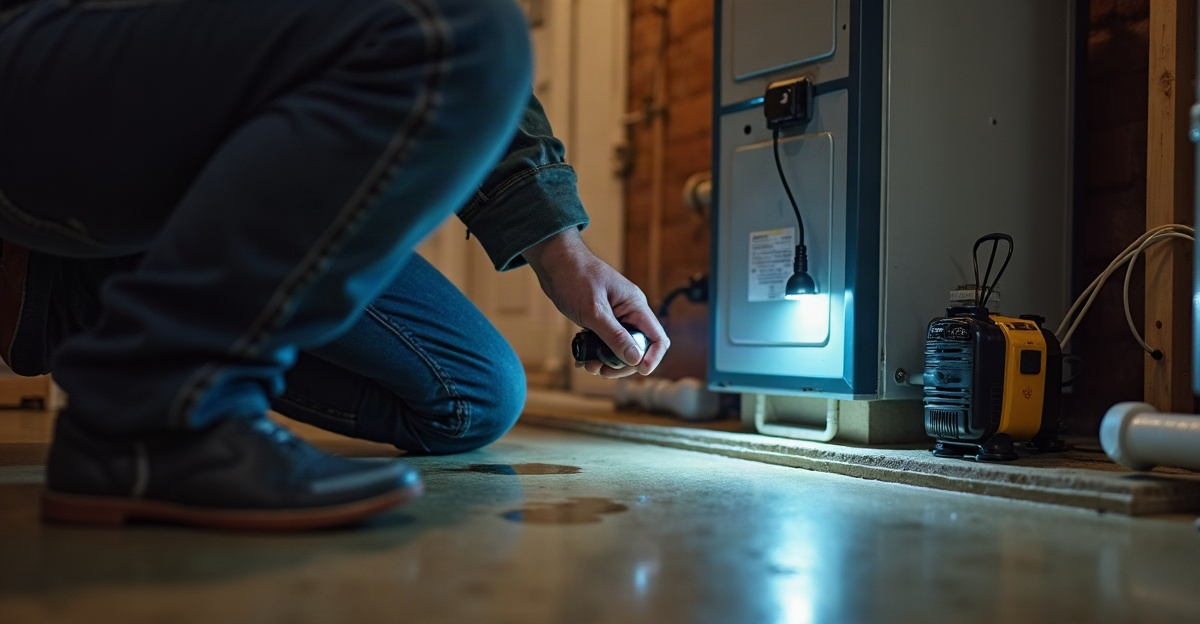
A leaking furnace can point to a blocked condensate drain, failed pump, humidifier issue, AC drain problem, nearby plumbing leak, or venting fault. High-efficiency furnaces produce condensation during normal operation. However, pooling water, electrical hazards, repeated shutdowns, or water near venting demand prompt professional service.
Key Takeaways
- We recommend turning the system off if water pools, reaches electrical components, causes repeated shutdowns, or comes from an unclear source.
- We should leave the area and follow emergency instructions if we smell gas or a carbon monoxide alarm activates.
- High-efficiency furnaces route normal condensation through a trap, pump, and drain line. Clogs, freezing, damage, or poor drainage can cause leaks.
- Water near a conventional furnace may come from the air conditioner, whole-home humidifier, or nearby plumbing instead of the furnace.
- We should not alter sealed panels, gas lines, electrical connections, or vent pipes. We should document the leak and arrange an inspection for an accurate diagnosis and repair.
What to Do Right Now If We Find Water Near a Furnace
Water near a furnace isn’t always a furnace failure, but it needs prompt attention. The source may be a drain, humidifier, air conditioner, plumbing line, or the furnace itself.
If the water is minor and the area is safe, place towels or a shallow container around it to limit damage. Keep water away from electrical connections, and never stand in water near the unit.
Turn the system off at the thermostat if there is significant pooling, water near electrical components, repeated shutdowns, or an unclear active leak. Take photos and note where the water appears, when it occurs, and whether heating is still working. Those details help us locate the cause faster.
We should never remove sealed panels, disconnect gas lines, alter vent piping, bypass safety switches, or attempt electrical repairs. A gas smell or a carbon monoxide alarm is an immediate safety issue, not standard HVAC troubleshooting. Leave the area and follow utility or emergency guidance.
Shut the heating system down and arrange prompt service if water is pooling, heat has stopped during cold weather, error codes keep appearing, or water is coming from venting or combustion-related areas. For urgent conditions, our emergency HVAC service team can help determine the safest next step.
Is Water From a Furnace Normal? Start With the Furnace Type and Season
High-efficiency condensing furnaces often create condensation during normal heating operation. These systems extract more heat from exhaust gases, which creates moisture that must drain away through a condensate drain system. Many have PVC vent pipes and a condensate drain, trap, pump, and drain line.
Water should move through that system and out of the home safely. A blocked drain, failed pump, damaged trap, or poorly routed line may cause water to collect near the unit.
Conventional furnaces generally do not produce water as part of normal operation. Water near a conventional furnace may come from an AC system, whole-home humidifier, nearby plumbing, or another issue that needs inspection. Water near the furnace does not always originate in the furnace.
Season often provides a useful clue. During winter heating, a leak may point to a condensing furnace drainage issue, humidifier leak, venting concern, or nearby plumbing. During summer, or whenever cooling is running, an AC coil, drain pan, or AC condensate line may be the source.
If we’re wondering, “Why is my furnace leaking water?” the answer depends on when the water appears and what equipment is operating. A technician can confirm the actual source without guesswork.
Common Reasons a Furnace Is Leaking Water
The following quick-reference guide covers the most common reasons a furnace is leaking water and the safest response.
| Possible Cause | What We May Notice | Safe Next Step | When to Call a Professional |
|---|---|---|---|
| Clogged condensate drain or condensate trap | Dripping, a small puddle, or furnace shutdowns | Look for visible water around the drain area without opening sealed panels | Call if drainage is blocked, unclear, or keeps returning |
| Failed or overflowing condensate pump | Water around a small pump reservoir, overflow, or intermittent shutdowns | Confirm the pump has power only when it can be done safely | Call for pump testing or replacement; don’t attempt electrical repairs |
| Frozen, kinked, disconnected, or blocked drain line | A leak during cold weather or water that returns after cleanup | Don’t force, cut, or modify drain piping | Arrange an inspection promptly |
| Humidifier leak or overflow | Water near the furnace during winter heating | Check for obvious moisture around the humidifier | Call if the source isn’t clear or the drain is overflowing |
| AC condensate line or coil issue | Water appears while the AC is running | Replace a dirty air filter if safe and use the correct size | Call if water continues, pools, or the AC performance changes |
| Venting or exhaust issue | Moisture around PVC vent pipes or venting-related areas | Leave vent pipes unchanged | Call promptly for HVAC service |
| Poor drainage slope or installation | Slow drainage and leaks that return repeatedly | Clean up water and document the pattern | Schedule an inspection |
| Equipment concern requiring diagnosis | Heating problems, recurring shutdowns, or unexplained water | Turn the system off if safety concerns exist | A technician can confirm the cause |
A condensate trap is a small drain component that helps move water out while keeping exhaust gases contained. If the trap is blocked, water may back up and cause a furnace shutdown.
A dirty air filter can also contribute to an AC coil freezing and later overflowing as it thaws. This is more likely during cooling operation than during winter heating. A fresh filter can help airflow, but it won’t solve a damaged AC condensate line, clogged drain, or overflowing pan.
Water from PVC exhaust vent piping or combustion-related areas needs prompt professional attention. We should not change the pipe slope, detach fittings, or try to seal a suspected vent issue. Some furnace problems may look similar from outside the unit, so a technician can confirm whether drainage, venting, installation, or a serious equipment concern is involved.
Warning Signs That Mean We Should Shut It Down and Call for Help
A minor, contained drip with no electrical risk may allow continued operation for a short time while service is scheduled. Continued operation is only reasonable when there is no active pooling, no electrical risk, no gas or carbon monoxide concern, and the issue appears minor.
Shut the heating system down and seek prompt HVAC service when there is substantial pooling, water near electrical components, repeated error codes, short cycling, or no heat during cold weather. Water coming from venting or combustion-related areas also needs immediate attention.
A persistent leak with no clear source should not be ignored. Rust, visible water damage, mold-like odors, damaged flooring, or wet walls can mean moisture has been present longer than expected.
Is a furnace water leak an emergency? It can be. Gas odors, a carbon monoxide alarm, significant water near electrical parts, major pooling, loss of heat in cold weather, and venting-area water are urgent conditions. For a clearer guide to urgency, review urgent HVAC warning signs.
Avoid operating equipment with water near electrical parts. Fast, accurate inspection can identify whether the problem involves drainage, a humidifier, AC equipment, venting, installation, or a failed component.
What an HVAC Technician May Check and Why an Inspection Matters
The right furnace repair depends on the source of the water, equipment age and type, access to the system, part availability, and any water damage. We inspect the system before recommending a repair so the work addresses the actual cause.
During an HVAC inspection, we may check the condensate drain and condensate trap, pump operation, drain-line blockages, freezing, routing, slope, kinks, and disconnected fittings. We may also inspect the whole-home humidifier and its drain, the AC condensate system, evaporator coil, drain pan, and AC condensate line.
For high-efficiency systems, we also assess furnace venting, PVC exhaust vent piping, pressure switches, and related safety controls. Installation and drainage setup matter because a poor slope or routing issue can create repeat leaks even after water is cleaned up.
Qualified diagnosis is especially important when the source is unclear, the leak returns after cleanup, or heating performance has changed. Our heating services cover furnace concerns, while our HVAC maintenance services can help prevent drainage and airflow problems from becoming larger repairs.
We serve Methuen, the Merrimack Valley, North Shore, and Southern New Hampshire. For persistent leaks, loss of heat, condensate pump concerns, AC repair needs, or humidifier issues, we can schedule an inspection with transparent pricing and clear explanations. Contact us through our HVAC service contact page to arrange service.
Quick Answers About Furnace Water Leaks
Is it normal for a high-efficiency furnace to produce water?
Yes. High-efficiency condensing furnaces often create condensation while heating. That water should drain through the condensate system instead of pooling around the unit.
A furnace leaking water in winter may have a clogged condensate drain, condensate pump problem, frozen or blocked drain line, humidifier leak, venting concern, or nearby plumbing issue. A technician can confirm the source.
Water around a furnace while the AC is running may come from the evaporator coil, condensate pan, or AC condensate line. In that situation, the furnace may not be the source of the leak.
Should we turn a furnace off if it is leaking water?
Turn it off if there is significant pooling, water near electrical components, repeated shutdowns, an unclear active leak, a gas smell, or a carbon monoxide alarm. A dirty air filter can contribute to AC coil freezing and later overflow, especially during cooling operation, but it is less likely to directly cause a winter furnace leak.
If my furnace is leaking water but the source appears minor, we should still arrange service if it persists or returns. Regular service helps catch drainage, airflow, and ignition concerns before they disrupt heat. Learn how often to service a furnace and what technicians review during a furnace inspection.
Updated: September 21, 2026. Reviewed by a qualified HVAC professional before publication.