
Why Does My Furnace Smell Like Burning? Common Causes
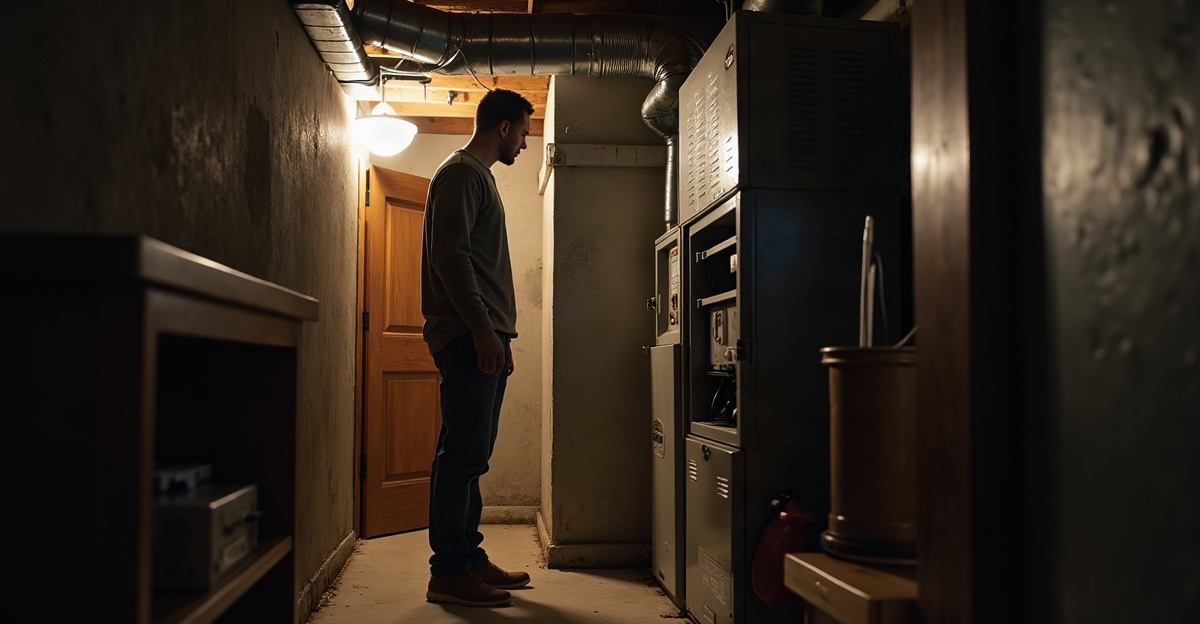
A furnace can smell like it’s burning for several reasons. Dust may burn off during the first heating cycle of the season. Restricted airflow, overheating parts, and electrical faults can also cause these odors and need prompt service. A mild dusty smell should fade quickly. Persistent odors, smoke, sparks, or plastic-like smells mean we should turn the system off if it’s safe and contact a qualified technician.
Key Takeaways
- Dust on heating components can cause a brief, mild burning smell when the furnace starts after a long inactive period.
- A dirty filter, blocked vents, or stored items near the furnace can restrict airflow and create overheating or fire hazards.
- Burning plastic, rubber, or electrical smells can signal overheating wires or components. These issues require a professional inspection.
- We should turn off the furnace if the smell persists, worsens, returns often, or occurs with weak airflow, uneven heating, buzzing, or popping sounds.
- We should leave the building and call 911 if we notice smoke, fire, a carbon monoxide alarm, or a rotten-egg gas smell. Carbon monoxide has no smell.
What to Do When Your Furnace Smells Like Burning
A furnace may smell like burning for several reasons, ranging from harmless dust burning away to an overheating component that needs prompt repair. We recommend treating the odor seriously until it fades or a qualified technician identifies the cause.
A brief, mild dusty odor with no smoke may occur during the first heating cycle after months of inactivity. Monitor it for a short time, confirm the air filter is clean, and make sure airflow remains normal.
A persistent burning smell, reduced airflow, or weak heat calls for action. Turn the system off if the odor does not fade, then arrange professional furnace service.
Smoke, visible sparks, a burning plastic or electrical smell, buzzing, popping, or a fire alarm are urgent warning signs. Turn the furnace off only if it is safe to do so. Leave the area or building as needed and call 911 for a fire or immediate danger. If carbon monoxide exposure is suspected, leave immediately and call emergency services from outside.
When a Furnace Smells Like Burning for the First Time
A furnace may smell like burning during its first seasonal startup because dust has settled on heating components while the system was unused. Once heat begins circulating, that dust can burn off and create a dry, dusty, or slightly smoky odor.
This is common across Massachusetts and Southern New Hampshire after a long off-season. A normal dust-burning odor should lessen within a short period rather than continue through repeated heating cycles.
Is it normal for a furnace to smell like burning when we turn it on? A mild odor may be normal if it fades quickly and there is no smoke, reduced airflow, unusual sound, or heating problem. Check or replace the filter according to the manufacturer’s guidance, and keep supply and return vents open and clear.
How long should a dust-burning smell from a furnace last? It should fade after a brief initial run. A technician can confirm the source if the odor persists, returns often, or becomes sharper.
Routine service helps identify buildup and airflow concerns before heating season. Our guide on furnace service timing explains why regular care matters.
Common Causes of a Burning Furnace Smell
Dust burning off is one of the most common reasons a furnace smells like it is burning after a long period without use. The odor should remain mild and temporary.
A dirty furnace filter can restrict airflow and contribute to an overheating furnace. Restricted airflow can also make the system work harder, raise operating temperatures, and reduce comfort. Replace the filter according to the furnace manufacturer’s recommendations.
Clutter near the furnace can create a serious risk. Boxes, paper, chemicals, paint products, and other flammable materials should never sit near heating equipment. Foreign objects near registers, ducts, or the furnace can also warm up and produce an odor.
Overheating blower or motor components may create a stronger, recurring burning smell. These issues often require furnace repair because motors, belts, controls, and electrical connections need safe testing.
Why does a furnace smell like burning plastic? Plastic, rubber, or electrical insulation odors may point to overheating wiring, a failing electrical component, or material contacting a hot surface. An electrical burning smell needs prompt professional attention.
Smells can offer useful clues, but they cannot confirm the exact problem from a distance. A qualified technician must inspect the equipment safely. For other performance warnings, review these signs of furnace failure.
Warning Signs That Mean We Should Turn the Furnace Off
Turn the furnace off if the smell is persistent, worsening, or does not fade after a brief first-use period. Shut it down and arrange qualified HVAC service if airflow drops, heating becomes uneven, or the burning odor returns repeatedly.
A burning electrical smell, burning plastic or rubber odor, visible smoke, sparks, buzzing, popping, or a fire alarm requires urgent action. Do not assume every odor means the furnace needs replacement, but do not continue operating equipment with these warning signs.
Turn the unit off only if it is safe to reach the controls. We should never open electrical panels, inspect wiring, access burners, repair motors, clean internal components, or reset breakers repeatedly. These steps can increase the risk of shock, fire, or equipment damage.
If smoke is coming from the furnace, a fire is visible, or a fire alarm activates, leave the area or building as needed and call 911. For fast help with serious system concerns that do not involve immediate danger, our emergency HVAC service can assess the equipment promptly. It also helps to understand what counts as an HVAC emergency.
Gas and Carbon Monoxide Safety: What a Burning Smell Does and Does Not Mean
A burning furnace smell does not indicate carbon monoxide. Carbon monoxide is odorless, which is why working carbon monoxide detectors are essential in any home or business with fuel-burning equipment.
Natural gas commonly smells like rotten eggs or sulfur, not like a typical burning odor. We should never dismiss a rotten-egg or sulfur smell as a normal furnace smell. Leave the building, avoid switches, flames, and electrical devices, and follow local emergency guidance.
If a carbon monoxide alarm sounds, everyone should leave immediately and call 911 or local emergency services from outside. Test smoke and carbon monoxide alarms regularly, and replace batteries or entire units according to the manufacturer’s instructions.
For additional guidance on time-sensitive heating problems, see urgent HVAC repair signs.
Safe Steps We Can Take and When to Call a Local HVAC Professional
We can take a few safe steps before arranging service. These actions do not require opening the furnace cabinet or handling electrical or gas components.
Safe Checks Before Service
Use these basic checks to reduce common airflow and storage hazards:
- Check or replace the air filter according to the manufacturer’s guidance.
- Remove boxes, paper, chemicals, and other flammable clutter from around the furnace.
- Confirm supply and return vents are open and free of furniture, rugs, or other obstructions.
- Test smoke and carbon monoxide alarms.
Persistent odors, electrical smells, smoke, reduced airflow, and recurring heating trouble need evaluation by a qualified HVAC technician. A professional can inspect the system, explain the findings clearly, and discuss repair or furnace maintenance options with transparent pricing. Our overview of a furnace inspection explains the type of checks involved.
We provide responsive furnace repair in Methuen, MA, the Merrimack Valley, the North Shore, and Southern New Hampshire. Contact us for dependable heating services when a burning smell persists or warning signs appear. For immediate danger, fire, a gas smell, or a sounding carbon monoxide alarm, call 911 rather than a service company.