
How Often Should You Service Your Furnace?
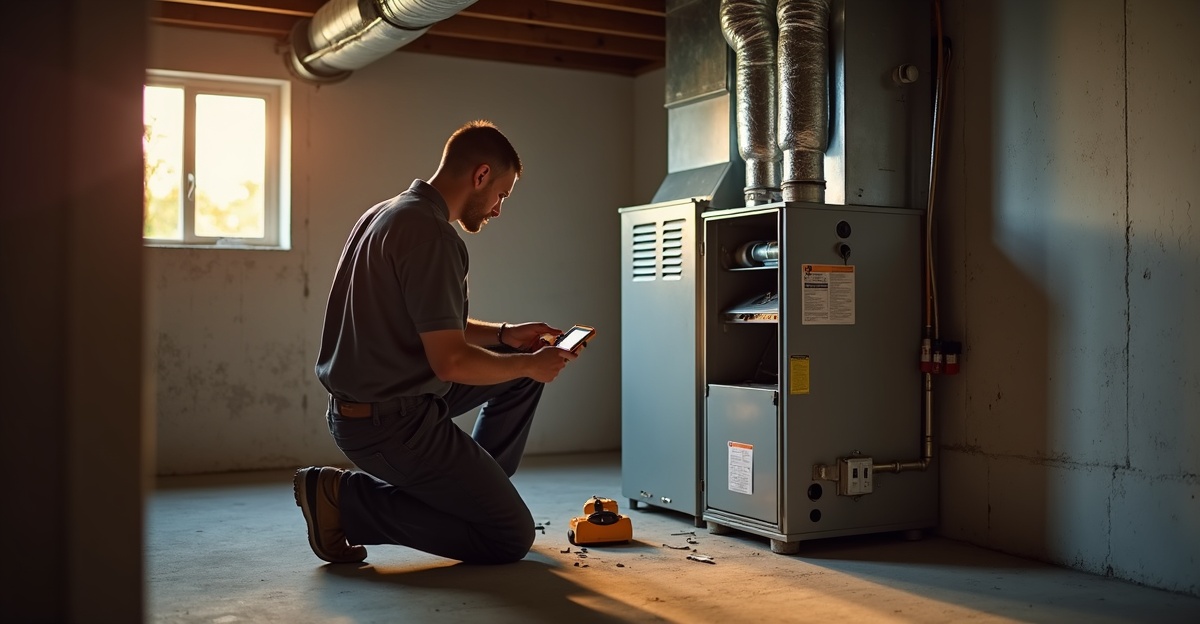
Knowing how often to service furnace systems is essential in Massachusetts and Southern New Hampshire, where long, freezing winters push equipment to run for hours at a time. We see systems operate nonstop during peak cold snaps. Most homes need professional furnace service once a year—ideally in early fall—to protect safety, maintain efficiency, and reduce the risk of mid-winter breakdowns when demand and wait times rise.
Key Takeaways
- Most furnaces should be professionally serviced once per year, with early fall being the best time before heavy winter use begins.
- Homes with older systems (12–15+ years), high usage, pets, allergies, or prior breakdowns may benefit from more frequent inspections.
- Warning signs like uneven heating, strange noises, frequent cycling, rising energy bills, or a yellow pilot flame require prompt service.
- Professional maintenance includes safety checks, carbon monoxide testing, cleaning, airflow verification, and thermostat calibration; we should replace filters every 1–3 months.
- Skipping annual service increases the risk of emergency breakdowns, higher energy bills, shortened equipment life, and possible warranty issues.
Service Your Furnace Once a Year—Here’s When and Why It Matters Most
Most furnaces should be professionally serviced once per year. Early fall is the best time to schedule it, before heavy winter use begins.
Homeowners often ask how often to service a furnace, how often do you need to service your furnace, or simply how often to service furnace systems in general. The clear answer for most homes is once annually. A single professional tune-up each year keeps the system safe, efficient, and ready for long heating cycles.
In Massachusetts and Southern New Hampshire, furnaces work harder than in milder climates. Winters here are long. January mornings in Methuen, the North Shore, Merrimack Valley, and New Hampshire can put serious strain on heating systems. During cold snaps, units may run for hours at a time without shutting off. That extended runtime increases wear on burners, blowers, and ignition components.
We see it every year. Temperatures drop. Systems are pushed to their limits. Contractors book quickly during freezing stretches, and wait times grow longer. Annual maintenance in early fall reduces the chance of ending up without heat during peak demand.
Scheduling before winter isn’t complicated. It’s a simple, practical step that protects comfort and helps avoid emergency calls when everyone else is calling too.
When Once a Year Isn’t Enough: Situations That Require More Frequent Service
Annual maintenance works for most homes. Some systems need closer attention.
Furnaces that are 12 to 15 years old or older often benefit from inspections more than once a year. Parts begin to wear down. Sensors get dirty faster. Ignition systems can become less reliable. Monitoring them closely helps prevent surprise failures. If there’s uncertainty about aging equipment, our guide on how long a furnace usually lasts can help set expectations.
High-use properties also put added demand on heating systems. Large families, multi-unit buildings, and small businesses with extended operating hours run heat more often. Longer daily cycles increase stress on internal components.
Homes with pets tend to collect more hair and dust inside ductwork and around blower assemblies. That buildup restricts airflow and can cause overheating or short cycling. Allergy-sensitive households also benefit from cleaner internal components and filters, which help support healthier indoor air.
Furnaces with a history of breakdowns deserve extra attention. A past issue increases the likelihood of related problems returning, especially during cold weather.
None of this means something is wrong. More frequent service simply protects comfort and reliability. In a region where winter workloads exceed national averages, proactive care is a smart move.
Signs Your Furnace May Need Service Sooner Than Scheduled
Even with annual maintenance, systems can develop issues between visits. Certain warning signs should never be ignored.
Common red flags include uneven heating between rooms or floors. If one level feels warm while another stays cold, airflow or control problems may be developing.
Strange noises matter. Banging, rattling, or squealing sounds often signal loose or worn components. Unusual smells, especially burning or musty odors, also deserve attention.
Frequent cycling is another concern. If the furnace turns on and off repeatedly within short periods, something may be restricting airflow or affecting temperature controls.
A sudden rise in energy bills without a rate increase usually points to efficiency loss. The system works harder to produce the same heat.
Gas furnaces should burn with a steady blue flame. A yellow pilot flame may indicate a combustion issue and requires prompt evaluation. Proper servicing includes carbon monoxide testing, which is essential for safety.
When these problems appear, early scheduling is smarter than waiting. Peak winter emergency calls often mean longer wait times and added stress. For urgent concerns, our emergency HVAC services are available to restore heat quickly and safely.
We focus on clear explanations and honest pricing. If a repair is needed, we explain why. If the system is still safe and serviceable, we say so.
What Happens During Professional Furnace Servicing (And What We Should Handle Ourselves)
A professional furnace tune-up covers far more than a quick look inside the cabinet. It’s a full safety and performance check.
Professional service includes:
- Full system inspection
- Cleaning of key internal components
- Safety checks on gas and electrical connections
- Carbon monoxide testing
- Airflow verification
- Thermostat calibration
- Filter inspection
Each of these steps supports safe combustion, steady airflow, and reliable ignition. Anyone curious about the full process can review what happens during a furnace inspection for additional detail.
Homeowners still play an important role. Filters should be replaced every 1 to 3 months, depending on usage, pets, and dust levels. A clogged filter restricts airflow and forces the furnace to work harder. That simple habit alone helps protect the system between professional visits.
Manufacturer warranties often require documented annual maintenance. Skipping service can create problems if a major component fails and warranty coverage is questioned.
Professional servicing goes beyond what can safely be handled without proper tools and combustion testing equipment. Gas pressure, ignition testing, and internal cleaning require training and experience. Safety always comes first.
What Happens If We Skip Maintenance? Real Costs and Risks
Skipping annual service may save money in the short term. It usually costs more over time.
Dust and buildup reduce efficiency. The furnace burns more fuel to deliver the same heat, which increases monthly heating bills.
Neglected systems also wear out faster. Loss of lubrication, airflow restrictions, and minor ignition problems gradually shorten equipment life. For context, understanding expected furnace lifespan helps show how maintenance affects total years of service.
The biggest risk in Massachusetts and New Hampshire is a mid-winter failure. When temperatures drop below freezing, every heating contractor receives a surge of emergency calls. Same-day availability becomes limited. Costs can rise during peak demand.
Warranty documentation is another factor. If annual maintenance records are missing, manufacturers may deny coverage for certain failures.
Maintenance reduces risk but doesn’t guarantee zero breakdowns. Mechanical systems can still fail unexpectedly. Regular service simply stacks the odds in our favor. It improves efficiency, protects safety, and lowers the chance of surprise repairs during the coldest weeks of the year.
Routine maintenance almost always costs less than emergency repair or premature system replacement. Planning ahead keeps budgets predictable and prevents rushed decisions.
Quick Answer for Homeowners in Massachusetts and New Hampshire
Most furnaces should be professionally serviced once per year, ideally in early fall before heating season begins.
Additional service may make sense for systems that are 12–15 years old or older, high-use homes, properties with pets, allergy-sensitive households, or furnaces with prior breakdown history.
Filters should be replaced every 1–3 months as part of regular homeowner care.
Uneven heating, strange noises, frequent cycling, rising energy bills, or a yellow pilot flame all justify scheduling service sooner. Those symptoms often match the signs of a failing furnace and shouldn’t be ignored.
In Methuen, the North Shore, Merrimack Valley, and New Hampshire, winter appointment slots fill quickly once freezing weather arrives. Booking preventive maintenance early helps avoid delays and last-minute stress.
We provide dependable heating services with clear pricing and straightforward recommendations. Scheduling before peak winter bookings keeps heating systems ready for months of steady use. Reliable comfort starts with one simple step taken at the right time.