
Why Won’t My Thermostat Turn On the Heat?
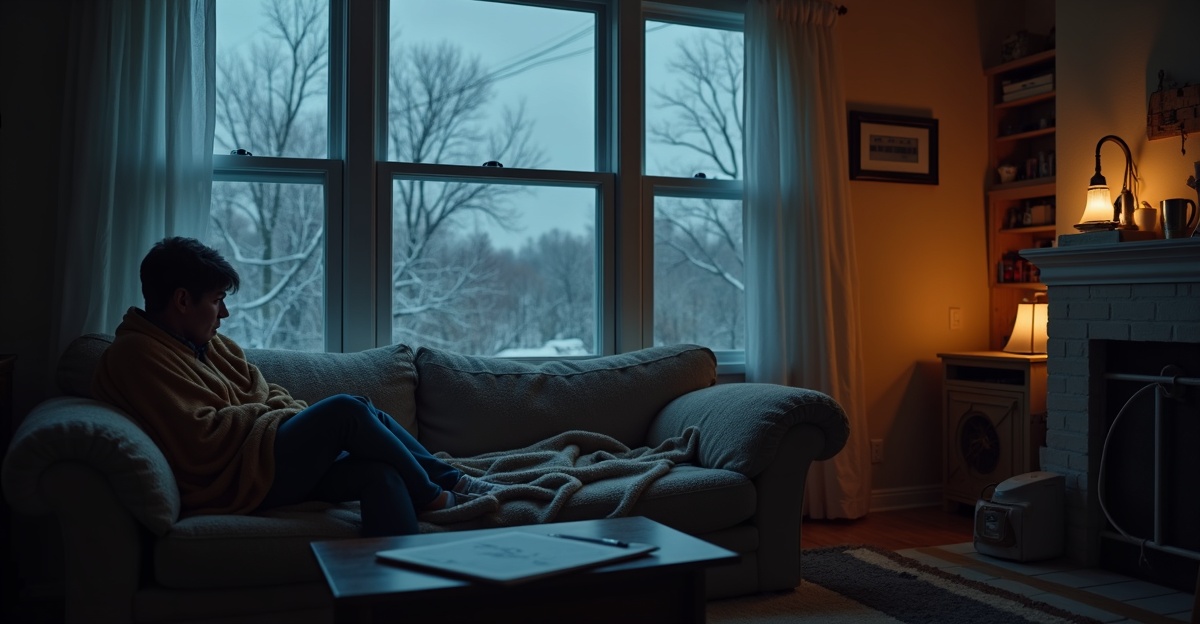
Dealing with a thermostat that won’t kick on the heat during a Northeast winter often leads back to basics. A simple setting, a tripped breaker, or worn-out parts can stop your system cold. Some quick checks at home might bring the warmth back. But if problems stick around—like odd sounds, burning odors, or silence—it’s time to bring in the pros.
Key Takeaways
- Make sure the thermostat is set to HEAT mode and the batteries still have power.
- Look at your breaker panel and furnace safety switch before jumping to bigger concerns.
- Dirty air filters or broken components such as igniters or blower motors can block heat from starting.
- Gas odors, electrical buzzing, or frequent shutdowns need fast help from a qualified technician.
- Local pros know how heating systems behave in Northeastern cold and get things working fast and safely.
It’s Freezing and the Heat Won’t Turn On… Now What?
It’s cold, the house is getting colder, and your thermostat isn’t turning on the heat. This happens more often than you’d think, especially in older Methuen homes during harsh Northeast winters. We know how frustrating it can be—that cold air creeping in while nothing happens when you adjust the settings.
We see this a lot. Whether it’s a forgotten setting or a sudden system fault, you’re not alone. And in many cases, it’s easier to fix than it feels.
At JP Heating & Cooling, we’re your dependable local team, ready to help 24/7 across Methuen, North Andover, Andover, and Southern New Hampshire. When you’re facing a thermostat not turning on heat, you can count on us to get things working—fast.
Quick DIY Fixes You Can Try Safely Right Now
Sometimes, what seems like a breakdown turns out to be a simple oversight. Here are a few safe checks you can handle before making the call:
Simple Checks That Could Save a Service Call
- Make sure the thermostat is on HEAT mode—not just AUTO or OFF.
- Set the temperature several degrees higher than the current indoor temp.
- Replace the thermostat batteries if your model uses them.
- Check the main circuit breaker panel—your heating system may have tripped its breaker.
- Look for a reset or safety switch on the furnace (usually a toggle or button clearly labeled).
- Check that air filters aren’t blocked; the U.S. Department of Energy explains that restricted airflow from clogged filters can cause furnaces to overheat and shut down.
We see it often in Methuen: the furnace not starting up during a deep freeze, only to find a flipped breaker or dead battery in the thermostat. These quick fixes prevent unneeded visits and get the heat going sooner.
If you need more clarity, our full guide to what to do when your heater stops at night walks you through what’s safe to troubleshoot on your own.
When It’s More Than a Setting: Common Equipment Issues
If the basics check out but there’s still no heat, your system may be dealing with one of several common issues like the heater not responding to thermostat signals, which need a technician.
Why the Equipment Is Failing to Respond
Here’s what we often find behind thermostat or system malfunctions:
- Issues with faulty thermostat wiring or wrong system compatibility can prevent proper signaling, and Honeywell’s official thermostat compatibility guidelines explain how mismatched systems can cause startup failures.
- Furnace isn’t receiving the command signal from the thermostat
- Ignition or pilot light failure (common in older gas systems) can prevent heat from starting, and the U.S. Consumer Product Safety Commission outlines safety considerations for gas heating systems.
- Blower motor failure or capacitor burnout—without these, the system won’t blow warm air
Rodents sometimes chew through low-voltage wiring, especially in older attics or unfinished basements. Over time, blocked filters, dust, and age can cause critical parts to fail.
These problems aren’t safe or realistic to fix without proper tools and training—and they might make things worse. An experienced technician can identify the failure quickly and get the heat flowing properly.
If the furnace won’t kick on, but the thermostat seems responsive, check out our post on why your furnace might be blowing cold. It could point to a larger issue.
Warning Signs It’s Time to Call a Professional
We’re all for DIY, but there’s a line that should never be crossed—especially in cold weather when safety matters most.
Know when to stop troubleshooting and bring in help right away if you notice:
- The smell of gas from anywhere near your system should never be ignored, as the National Fire Protection Association advises immediate action when gas odors are detected.
- Burning odors when the system tries to start
- Any electrical crackling, sparking, or popping sounds
- The system repeatedly shuts off after attempting to start, a condition often referred to as short cycling, which Carrier’s official HVAC documentation explains can signal airflow or ignition problems.
If you’re seeing these warning signs or still wondering what causes an HVAC to stop suddenly, shut the system down and call us.
You won’t waste our time—this is what we do. Especially during brutal winters across Essex County and New Hampshire, getting fast help is the smart, safe move.
If you’re unsure or the heat still won’t turn on, don’t wait—our technicians are local and ready to help. We offer 24/7 emergency HVAC service with fast response times and honest answers.
Why Local Matters: Solving Heating Problems Built for the Northeast
Living and working in the Northeast has taught us a lot—especially how heating systems behave under pressure. Our team knows what Methuen, Andover, and North Andover homeowners face year after year when winter sets in.
Heating Solutions That Understand Local Homes
We regularly work on:
- Old colonial homes where ductwork is tight and systems are patched together
- Split-level homes built in the ’70s and ’80s needing system upgrades
- Additions and converted basements that strain aging setups
Cold snaps don’t warn you—they hit fast. That’s why having a trusted heating technician in Methuen or HVAC support in Andover ready to respond matters.
We’ve earned strong local ratings, years of neighborhood trust, and we back it all with 24/7 emergency support—even during ice storms or Nor’easters.
Whether you’re dealing with a heater turning on and off too often or a furnace that simply stays dead, we’ve got the tools and team to fix it.
Get Warm Again — Fast, Fair, and Local
Still no heat? JP Heating & Cooling offers fast, honest, and 24/7 emergency service across Methuen, the North Shore, and New Hampshire.
We believe in clear, upfront pricing. No confusing jargon or upsells—just answers, heat, and comfort. You can call us now or book online in seconds. We also offer a downloadable “No Heat Troubleshooting Checklist” to help you track what’s already been checked before we arrive.
If you’ve been wondering whether your furnace is showing signs of failure or if it’s time for repair or replacement, we can guide you honestly. No pressure.
We’re confident in our work because we stand behind it. At JP Heating & Cooling, we lead with respect, experience, and the kind of local care that shows up in your hour of need.
Need help today? Contact us now. Help is already on the way.
Frequently Asked Questions
If your thermostat lights up but won’t start the heat, it’s often a communication issue. The thermostat may be set incorrectly, wired improperly, or incompatible with your heating system. In other cases, the furnace isn’t responding due to a safety lockout, failed ignition, or internal control problem that prevents heat from starting.
Yes, weak or dead batteries are a common reason a thermostat won’t turn on the heat. Many thermostats need battery power to send a signal to the furnace. When batteries fail, the screen may go blank or stay on while the heat never starts. Replacing batteries is a quick first step to rule out this issue.
Start by confirming the thermostat is set to HEAT mode and the temperature is set higher than the room temperature. Next, check the circuit breaker, furnace power switch, and air filter. A tripped breaker, turned-off switch, or clogged filter can prevent the heating system from turning on even if the thermostat seems fine.
Indirectly, yes. A severely clogged air filter can cause the furnace to overheat and trigger a safety shutdown. When this happens, the thermostat calls for heat, but the system refuses to start to protect itself. Replacing the filter and resetting the system may restore heat if no other damage occurred.
You should call a technician if basic checks don’t restore heat or if you notice gas smells, burning odors, repeated shutdowns, or unusual noises. These symptoms point to mechanical or electrical failures that are unsafe to troubleshoot yourself and require professional tools and expertise to fix properly.