
What Temperature Should I Set My Thermostat in Winter?
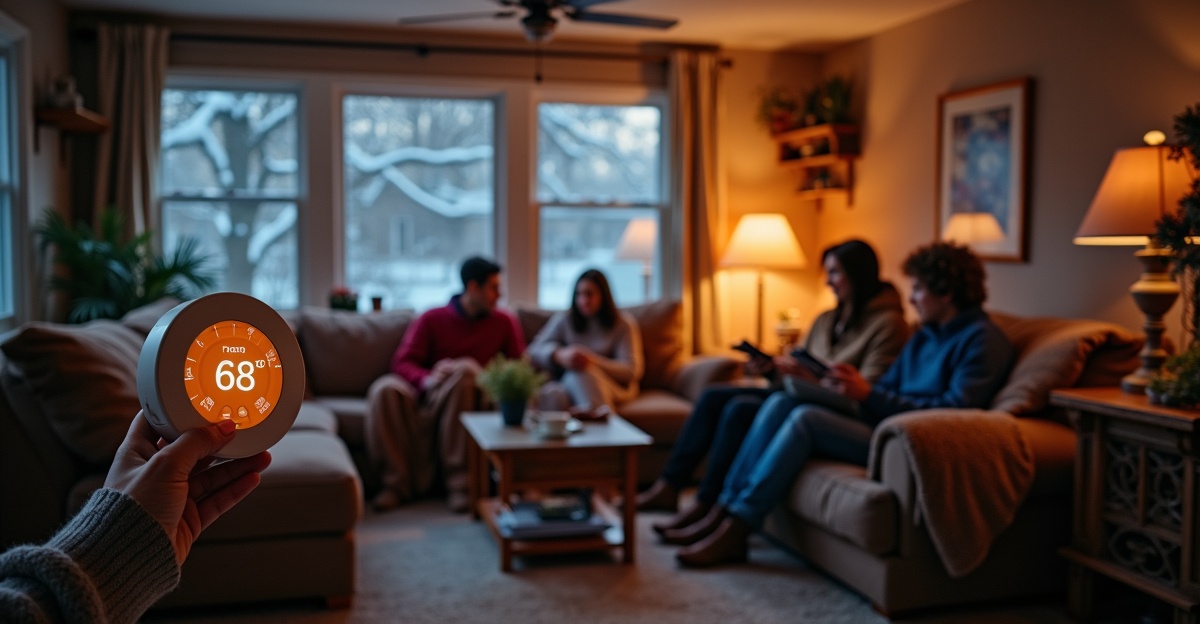
Choosing what temperature to set thermostat in winter in Methuen, MA means finding the right mix of comfort, safety, and energy savings. Freezing nights raise the stakes, so using smart temperature control gives us peace of mind while keeping utility bills in check. We recommend maintaining 68°F while we’re home and staying above 55°F at all times to avoid serious issues like frozen pipes.
Key Takeaways
- Set your thermostat between 68°F and 70°F during the day when you’re home. This keeps living spaces comfortable without overworking your heating system.
- Drop the temperature to 60°F–65°F while sleeping or away from home. This simple change saves energy and lowers utility costs while maintaining an appropriate thermostat setting winter.
- Keep your thermostat above 55°F at all times. Anything lower increases the risk of frozen or burst pipes, especially in older or less insulated houses.
- For long trips, set the thermostat to at least 62°F. Focus on protecting colder parts of the home, like basements or drafty corners.
- Upgrade to a programmable thermostat and block air leaks around doors and windows. These steps improve comfort and cut heating bills.
Best Thermostat Settings for Winter Comfort in Methuen, MA
Winters in Methuen, MA can be harsh. It’s not unusual for temperatures to drop into the single digits, which makes finding the right thermostat setting crucial—both for comfort and for protecting your home. According to ENERGY STAR, the average temp for thermostat in winter is 68°F during the day when you’re at home. At night or while away, lowering it by 7–10°F can improve efficiency without sacrificing comfort.
To stay safe and avoid damage like frozen pipes, never set your thermostat below 55°F. This is especially important in older or drafty homes, which are common across New England.
Here are reliable temperature ranges for winter living:
- When you’re home: 68°F–70°F is considered an ideal winter thermostat temperature.
- While sleeping: 60°F–65°F. Wear warm layers and consider heavier blankets for added warmth.
- When you’re out for work or short trips: keep it at 60°F minimum.
- For longer vacations or if your home is draft-prone: aim for at least 62°F to protect your plumbing and structure.
Curious why your heater might not be keeping up? Explore the possible causes if your furnace is blowing cold air instead of maintaining these temperatures.
How to Adjust Your Thermostat to Save Money Without Sacrificing Comfort
Keeping heating costs down doesn’t mean freezing indoors. Smart adjustments make it possible to reduce your energy bill while staying warm.
Energy Saving Tips That Actually Work
Use these energy saving thermostat tips throughout the colder months:
- Install a programmable or smart thermostat to automate lower temps during sleep or work hours.
- Seal up air leaks. Add weather stripping to windows and doors to stop warm air from escaping.
- Reverse ceiling fans to rotate clockwise. This pushes warm air back down into the room.
- Wear layers indoors and use throw blankets to stay cozy without cranking the heat.
For rental properties or small businesses, governing thermostat use can save money and keep everyone comfortable. Regulating temperatures in shared spaces and offering tenants or staff clear guidance makes a big difference.
In older Methuen homes, insulation varies widely. If you notice uneven heating, adjusting by zones or supplementing with space heaters in safe areas may provide better control.
Landlords and business owners can find useful advice on what constitutes an HVAC emergency and when action is required.
Nighttime and Away Settings: What’s Safe vs. What Saves
Lowering your thermostat at night or while you’re out is a smart way to reduce costs. The U.S. Department of Energy estimates that turning your thermostat down 7–10°F for 8 hours a day can save you up to 10% annually on your heating bill.
Here’s what we recommend:
- When sleeping: set your thermostat between 60°F–65°F.
- Leaving for the day? Don’t go below 60°F.
- On vacation during a cold snap? Set it at 62°F or higher to prevent frozen pipes in basements and along exterior walls.
Knowing how low you can set the thermostat in winter makes all the difference, especially in Methuen homes that may be older or less insulated. Dropping too low can lead to serious risks:
- Frozen pipes, especially in areas like crawl spaces and older basements.
- Moisture damage from condensation, which can harm drywall and wood floors.
- Uncomfortable indoor conditions for people and pets.
For shared properties like apartment buildings or small commercial spaces, be cautious when setting temperatures. The best thermostat temperature for rental property and business sites ensures health, safety, and legal compliance, all while minimizing cost.
Tailored Tips for Landlords and Small Business Owners
If you’re managing a rental or business property, maintaining consistent and safe heating is not just about comfort—it’s part of your responsibility.
Recommended Settings Based on Property Type
Suggestions based on common property uses:
- Rental units: Maintain 66°F–70°F to keep tenants safe and meet local standards.
- Commercial spaces: Keep the thermostat at 68°F during business hours. Lower it to 60°F–62°F after closing.
To simplify control across several zones, consider:
- Thermostats with lockboxes to prevent over-adjusting.
- Clear guidelines posted in shared areas.
- Timed settings to run only during hours of occupancy.
Massachusetts housing codes often require minimum heating levels, especially during winter. These thermostat settings for landlords can protect tenants while minimizing energy waste.
Need help fine-tuning these systems in Methuen, North Andover, or Andover? Our Methuen heating services, including setup and zoning options, are designed with local property owners in mind.
Signs Your Heating System May Need Professional Attention
Even with the best thermostat strategies, things can go wrong. If your heating system isn’t responding the way it should, that’s a signal to bring in help sooner rather than later.
Watch for these red flags:
- The inside temperature is much lower than what the thermostat shows.
- Monthly heating bills rise suddenly without a change in settings.
- Your furnace keeps cycling on and off, or struggles to maintain a set temperature.
These issues might suggest more than just thermostat trouble. They could point to failing equipment or airflow issues. If you’re dealing with these kinds of New England winter heating tips and they’re still not helping, our emergency HVAC services are ready 24/7 to keep you safe and warm.
For more insight, visit our guide on why your heater turns on and off frequently.
Quick Reference Guide: Winter Thermostat Checklist
Winter Thermostat Cheat Sheet
These good rules of thumb will keep you warm and energy-efficient:
- Daytime at home: 68°F–70°F
- Nighttime/sleep: 60°F–65°F
- Away for work or errands: ~60°F
- Longer trips or vacation: 62°F (higher for older homes)
- Never go below: 55°F, especially in uninsulated or vacant spaces
If things still don’t feel right even after adjusting your thermostat, don’t wait. From what to do if your heater stops at night to determining whether it’s time for a repair or replacement, we’ve broken it down to help you take the next step confidently.
When in doubt, reach out. Our experienced techs serve residential and commercial customers with prompt, respectful service. You can always contact us directly—or let our HVAC experts take care of it for you. Whatever the temperature outside, you’re covered with help that’s fast, friendly, and always nearby.
Frequently Asked Questions
The best thermostat setting in winter for saving money is around 68°F when you’re home and awake. Lowering it to 60–65°F while sleeping or away can reduce heating costs without risking comfort or safety. Each degree you lower the thermostat can help cut energy use, especially over long winter months.
You should not set your thermostat below 55°F in winter. Temperatures lower than this increase the risk of frozen pipes, especially in older or poorly insulated homes. Keeping the heat above this minimum protects plumbing, walls, and flooring while still allowing you to conserve energy when you’re away.
A winter thermostat setting of 70°F is not unsafe, but it may increase heating costs. Most energy experts consider 68°F a better balance of comfort and efficiency. If your home feels cold at 68°F, improving insulation or sealing air leaks is more effective than raising the thermostat.
The best thermostat setting in winter at night is typically between 60°F and 65°F. Cooler temperatures support comfortable sleep while reducing energy use. Using warm bedding and pajamas allows you to stay comfortable without running your heating system at higher, more expensive temperatures overnight.
Yes, when leaving for a winter vacation, set your thermostat between 60°F and 62°F. This setting saves energy while keeping your home warm enough to prevent frozen pipes and moisture damage. Homes with older plumbing or drafty areas may benefit from staying closer to 62°F.