
What qualifies as an HVAC emergency?
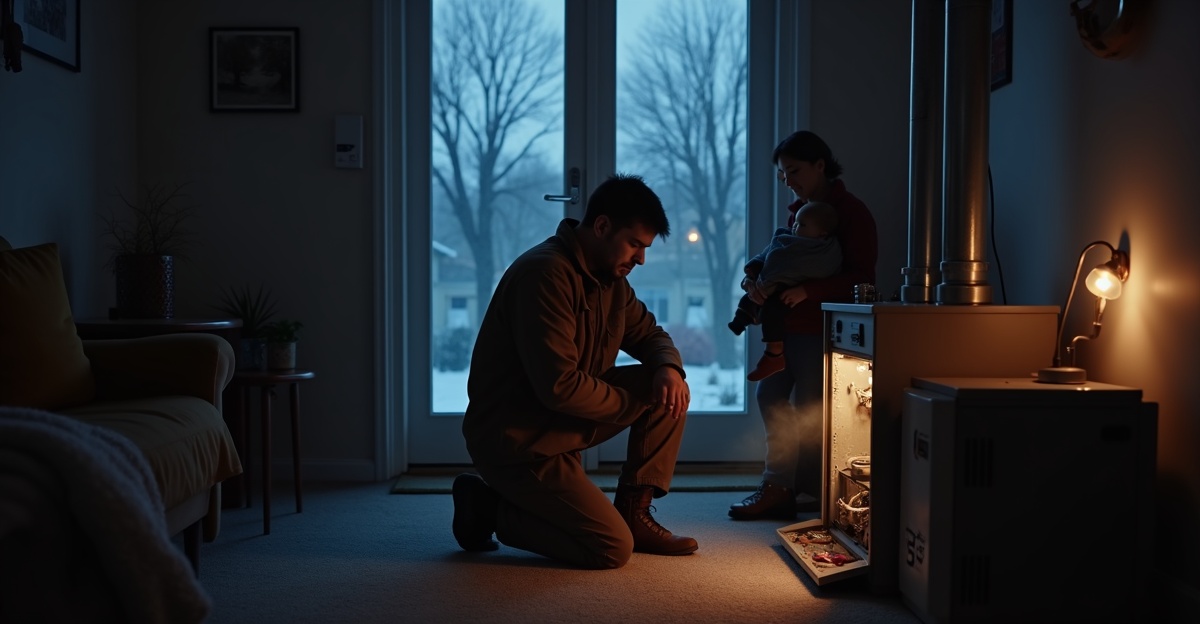
An HVAC emergency definition centers on situations where a system failure creates an immediate safety risk, health concern, threat of property damage, or legal habitability issue. We treat gas leaks, carbon monoxide alerts, loss of heat in freezing temperatures, and conditions that endanger vulnerable occupants or shut down essential operations as true emergencies that demand immediate action.
Key Takeaways
- Safety threats such as gas smells, carbon monoxide alarms, smoke, or electrical hazards always qualify as HVAC emergencies.
- No heat during freezing weather can lead to frozen pipes, serious health risks, and legal violations for landlords.
- Active water leaks or system failures that threaten structural damage require urgent service.
- AC failure becomes an emergency during extreme heat, especially with elderly, young, or medically vulnerable occupants.
- Comfort issues without safety or property risks can usually be scheduled during normal service hours.
What Legally and Practically Counts as an HVAC Emergency
An HVAC emergency definition is simple and direct. It’s a situation where a heating or cooling system failure creates an immediate safety risk, health concern, threat of property damage, or legal habitability issue.
We look at three core criteria.
Safety risk comes first. Gas leaks, carbon monoxide exposure, electrical hazards, smoke, or fire danger always qualify.
Property damage risk is next. Frozen pipes from no heat, active water leaks, or system failures that can damage floors, ceilings, or walls require urgent action.
Legal heat requirements also matter. In Massachusetts, landlords must provide heat during winter months under Massachusetts State Sanitary Code minimum heat requirements. If a rental unit loses heat during freezing conditions, that can quickly become a no heat in winter emergency with legal and financial consequences.
In Methuen, MA, the North Shore, Merrimack Valley, and New Hampshire, winter temperatures regularly fall below freezing. Humid summer heat can also create dangerous indoor conditions. Regional weather changes how we define “urgent.” A broken AC in mild weather may wait. No heat during a January cold snap cannot.
This guide helps homeowners, landlords with 1–20 units, and small business owners decide whether to request emergency HVAC service or schedule a standard repair visit.
True HVAC Emergencies That Require Immediate Service
Some situations are clear-cut HVAC emergencies. These require immediate action before we even arrive.
Gas Smell, Carbon Monoxide, Smoke, or Sparking
A gas smell from a furnace is a serious gas smell furnace emergency. Leave the property immediately and follow Massachusetts emergency gas leak safety procedures by calling the gas company and 911 before contacting us. Do not turn lights or appliances on or off. Avoid using phones inside the building.
If a carbon monoxide detector goes off, treat it as life-threatening, as explained by the Centers for Disease Control and Prevention (CDC) carbon monoxide safety guidance. This is a carbon monoxide HVAC risk. Get everyone outside and call 911. Do not re-enter until emergency responders say it’s safe.
Burning smells, visible sparks, or smoke from HVAC equipment signal a possible electrical fire hazard. If it’s safe, turn off the system at the thermostat or breaker. Then request immediate service.
No Heat, Extreme Heat, and Commercial System Failures
No heat during freezing temperatures is an emergency. Frozen pipes from no heat can burst within hours, a risk widely documented by the Insurance Institute for Business & Home Safety on frozen pipe damage. Water damage costs far more than a fast repair. For elderly residents, infants, or those with medical conditions, the risk increases quickly. Our heating repair services prioritize these cases, especially calls for emergency heating repair Methuen MA area properties depend on.
Multi-unit rentals without heat in winter qualify as a commercial HVAC emergency. Landlords are responsible for safe indoor conditions. Failing systems that impact tenants, ventilation, or essential operations require immediate response.
Air conditioning can also reach emergency level. An AC not working emergency during a heat wave, especially with vulnerable occupants, poses health risks. Heat-related illness is real, particularly during extreme weather events identified by the CDC’s guidance on heat-related illness prevention. In those cases, searching for 24/7 HVAC service near me is the right move.
Situations That Feel Urgent but May Not Be a True Emergency
Discomfort does not always equal danger.
Uneven heating or cooling, while frustrating, is usually a performance issue. Strange noises without smoke or burning smells may signal a failing part, but they rarely require middle-of-the-night service.
Minor thermostat malfunctions, blank screens, or dead batteries often have simple fixes. These can typically wait until regular hours.
An AC not working emergency depends on conditions. If outdoor temperatures are moderate and no one is medically vulnerable, it’s likely urgent but not critical. We would schedule priority service through our AC repair team instead of dispatching overnight.
The difference is clear. Comfort issue equals schedule a repair. Safety or property threat equals call immediately.
If there’s uncertainty between urgent and emergency, we recommend reviewing signs explained in how to know if HVAC repair is urgent. We’re also ready to talk it through honestly. Not every call requires after-hours service, and we’ll say so.
A 30-Second Checklist: Should We Call for Emergency HVAC Service?
Use this quick checklist to decide when to call HVAC emergency service:
- Do we smell gas or see smoke?
- Has a carbon monoxide detector gone off?
- Is the home without heat in freezing temperatures?
- Are pipes at risk of freezing?
- Is anyone elderly, medically vulnerable, or very young inside?
- Is our business unable to operate safely due to HVAC failure?
If the answer is yes to any of these, request immediate HVAC emergency service.
If the issue is comfort-related and none of these apply, schedule service during standard hours. For deeper guidance, review what is considered an HVAC emergency or is not having heat in winter an emergency for winter-specific concerns.
What to Do Right Now Before Help Arrives
Focus on safety first. Avoid attempting complex repairs.
For a gas smell furnace emergency, leave immediately. Call the gas company and emergency services before contacting us.
For a carbon monoxide HVAC risk, get everyone outside and stay out until cleared by professionals.
If there’s no heat in winter, shut the system off if it’s malfunctioning. Use safe temporary heat sources such as approved electric space heaters placed away from flammable materials. Add layers and close unused rooms. If pipe freezing risk becomes severe, consider shutting off the main water supply to limit damage.
For an electrical burning smell, turn off power at the breaker if safe to do so. Do not open panels or attempt internal repairs.
Preparation also helps. We recommend reviewing how to prepare for an HVAC emergency before a failure happens. Knowing where shut-offs and breakers are located saves time.
Help moves quickly once the call is placed. During an emergency visit, technicians focus on safety, stabilization, and restoring basic function. If unsure what that process looks like, we explain it clearly in what to expect during an emergency HVAC call.
Response Times, Emergency HVAC Cost Expectations, and When to Call
24/7 response means nights, weekends, holidays, and severe weather. That’s what people mean when they search for 24/7 HVAC service near me. For details about timing and coverage, we outline it in after-hours HVAC service.
Emergency HVAC cost usually reflects three factors:
- After-hours labor rates
- Immediate dispatch priority
- Parts availability
A standard weekday repair costs less because it’s scheduled during normal hours with flexible routing. An emergency call moves to the front of the line.
Service typically includes immediate system diagnosis, full safety checks, and temporary stabilization if a specialty part must be ordered. We explain pricing upfront before moving forward. No surprises. No pressure.
In Methuen, the North Shore, Merrimack Valley, and New Hampshire, fast action during extreme weather protects health and property. If uncertainty remains about whether a situation meets the HVAC emergency definition, we recommend calling.
If we’re not sure, we call. We’ll tell you honestly whether it’s an emergency and how quickly we need to get there.
Frequently Asked Questions
An HVAC emergency definition refers to a system failure that creates an immediate safety risk, health hazard, property damage threat, or legal habitability violation. This includes gas leaks, carbon monoxide exposure, electrical fire risks, or loss of heat during freezing weather. If the issue endangers occupants or the building structure, it qualifies as an emergency requiring immediate service.
Yes, no heat during freezing temperatures is typically considered an HVAC emergency. Prolonged heat loss can lead to frozen or burst pipes, unsafe indoor conditions, and potential legal issues for landlords. The urgency increases when elderly individuals, young children, or medically vulnerable occupants are present in the home.
Air conditioning failure becomes an HVAC emergency during extreme heat, especially when indoor temperatures pose health risks. Homes with infants, seniors, or individuals with medical conditions may require immediate service. In mild weather, however, AC issues are usually urgent but can often be scheduled during regular service hours.
An HVAC problem is an emergency if it involves gas odors, carbon monoxide alarms, smoke, electrical hazards, or risk of structural damage. Comfort-related issues like uneven temperatures or unusual noises without safety concerns are usually urgent but not emergencies. When in doubt, contacting a professional for guidance helps determine the correct response.
First, prioritize safety. Leave immediately if you smell gas or a carbon monoxide detector activates. Turn off power at the breaker if there is smoke or burning smells and it is safe to do so. Avoid attempting complex repairs. Once occupants are safe, contact an emergency HVAC provider for immediate assistance.