
What Is Considered an HVAC Emergency?
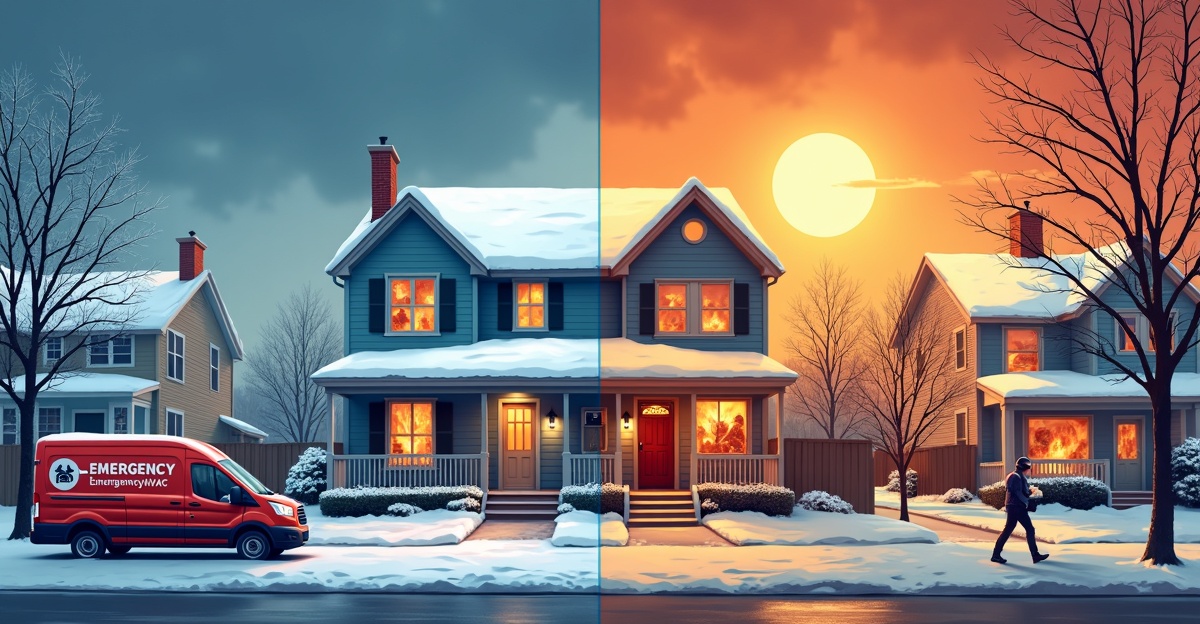
HVAC emergencies demand fast action—they involve situations where health, safety, or property face immediate threats, especially during harsh New England weather. No heat during winter freezes, gas odors, or electrical issues need urgent attention to avoid serious harm or damage.
Key Takeaways
- Emergency HVAC problems include loss of heat in freezing conditions, no cooling during extreme heat, any gas or carbon monoxide leak, and signs of possible electrical fires.
- If the system emits burning odors, throws sparks, or shuts down completely without coming back on, treat that as urgent.
- Any condition putting vulnerable people—like infants, older adults, or those with medical needs—at risk should receive immediate response.
- Less critical issues, such as uneven room temperatures or strange but soft noises, can wait for a scheduled repair.
- If you’re unsure, calling for a quick evaluation helps us confirm whether immediate help is needed—saving time and giving peace of mind.
How to Know It’s an HVAC Emergency: Common Urgent Scenarios
Some HVAC issues are inconvenient. Others are dangerous. So, what is an HVAC emergency? It usually comes down to whether safety, health, or property is at risk. In New England, especially during harsh winters or humid summers, a fast response can make all the difference.
Here’s a quick-reference list of situations that absolutely qualify as HVAC emergencies:
- No heat during sub-freezing temperatures — risk of frozen pipes or hypothermia, which the CDC identifies as a serious cold-weather health risk.
- No air conditioning during a heat advisory — dangerous for elderly residents, infants, or those with medical conditions, especially during National Weather Service–issued heat advisories.
- Smell of gas or possible carbon monoxide leak — evacuate immediately, as the CDC warns that carbon monoxide exposure can become life-threatening within minutes.
- Complete system failure — no power, no air, and no response from unit
- Burning electrical smell or visible sparks from system components
- Furnace emergency signs like loud banging, smoke, or rapid cycling on and off
These situations need immediate attention, especially in places like Methuen, Lawrence, and Haverhill where winter lows regularly dip below freezing. Aging heating units are common across New England, making these risks even more urgent. Delaying action in these cases can cause property damage or serious health issues.
We respond to emergency HVAC services day or night—because waiting can’t always be an option.
When It’s Not an Emergency (And What to Do Instead)
Not every HVAC issue means you need to call at midnight. Some things can wait for a normal service visit—and doing so can save money, reduce stress, and give you more choices around scheduling.
If any of the following applies, you’re likely not dealing with an emergency:
Comfortable But Concerned? These Issues Can Typically Wait
- Your AC is blowing warm air, but the weather is mild and indoor temps are safe
- Furnace filter light is flashing, but heat output is steady and air quality seems fine
- You’ve noticed a small noise increase but no signs of burning, smoke, or smell
- Thermostat shows a few degrees off, but the system is still running and responding
These are common minor annoyances, not risks. If you’re dealing with any of these, check our general HVAC services for a convenient time or contact us directly to ask whether an in-person visit is necessary right away.
Emergencies cost more because they involve off-hours response. If you’re ever unsure about whether to call urgently or wait, we’re happy to walk you through it calmly. Our team wants you safe without spending more than necessary.
So, if you’re thinking “air conditioner not working what to do,” the answer might be: wait until it’s critical or uncomfortable. We’re here when you need us—and happy to help you decide when that is.
What to Do Until the Technician Arrives
Once you’ve called, the next steps depend on the situation. Here’s how to stay safe and help us repair the system more quickly.
Steps to Take Before We Arrive
- Turn off power at the breaker if you see sparks, smell burning, or suspect overheating
- If there’s no heat, and it’s dangerously cold, safely use space heaters—following U.S. Fire Administration safety guidelines and never leaving them unattended.
- Smell gas? Open windows immediately, leave the home, and contact your gas provider or fire department. We’re on standby when it’s safe to proceed
- Take a photo or write down any error codes showing on the thermostat or equipment screen. These help us troubleshoot faster
You’ve done the right thing by checking first. Help is on the way.
We always show up ready—quickly, safely, and equipped to fix serious issues fast. And if you haven’t yet, you can always reach us through our emergency HVAC service line for immediate assistance.
What to Expect from Emergency HVAC Service
You’re calling for a reason. We treat that with full attention and respect—day or night.
Here’s what typically happens next:
- You’ll speak to a real person—our dispatcher will calmly assess the situation
- We’ll confirm whether your issue qualifies for immediate emergency service
- If so, a local technician in Methuen, Lawrence, Andover, Haverhill, or Salem NH will be alerted right away
- We’ll explain after-hours rates clearly—there are no surprise fees
- We prioritize safety and severity, especially during widespread weather events. Response time may vary, but we’ll keep you in the loop
Our emergency HVAC services in Methuen reach across the Merrimack Valley with 24/7 HVAC repair availability. That includes weekends, nights, and holidays. You won’t be left guessing.
Whether it’s a heating repair on a freezing night or a mid-July AC failure, we’re ready for anything.
Special Considerations for Landlords and Business Owners
Property managers have more to think about. If your tenants or patrons lose heat or AC, you’re responsible for more than comfort—you’re obligated by law.
Massachusetts law requires landlords to provide heat from September 15 to June 15, according to the state’s official minimum heat requirements. If you’ve been hit with a no heat in winter landlord Massachusetts situation, it’s legally urgent.
The same applies to:
- Multi-unit buildings where one unit’s issue might affect others
- Small businesses like salons or restaurants where safety or comfort plays into experience and compliance
- Leases that require response windows or emergency protocols
We respect the pressure you’re under to protect tenants, maintain codes, and keep operations running. If you’re unsure whether it’s truly urgent, don’t guess. Call for a quick free assessment. We’d rather take a look than have you worry and risk it.
Why Local Matters in an HVAC Emergency
We’re not some distant dispatch sending out unfamiliar techs. We’re local—based right here in Methuen—and our technicians know the buildings, the weather, and the expectations that come with living and working in New England.
Older homes in Haverhill or Lawrence often have legacy heating systems. Dense neighborhoods like downtown Andover or Salem NH need fast, safe access by people who’ve worked in those environments before.
We show up fast because we’re nearby. And we’re prepared because we’ve handled countless HVAC emergency responses across North Shore MA and Southern New Hampshire. Whether it’s ice-packed flue pipes, short-cycling furnaces during December, or a failing AC on a 90-degree day, we’ve seen it—and fixed it.
Let us bring calm, skilled help when it matters most.
If you’re unsure, give us a call. We’re here 24/7 and always happy to talk it through with no pressure.
Frequently Asked Questions
An HVAC emergency is any heating or cooling problem that puts health, safety, or property at immediate risk. This includes no heat during freezing weather, gas or carbon monoxide odors, electrical burning smells, sparks, smoke, or a complete system shutdown. These situations require urgent professional attention to prevent injury, fire, or serious property damage.
Yes, loss of heat during cold winter temperatures is generally an HVAC emergency. Prolonged exposure to low indoor temperatures can cause frozen pipes, water damage, and health risks like hypothermia. Homes with infants, elderly residents, or medical needs are especially vulnerable, making immediate repair critical.
No air conditioning becomes an HVAC emergency during extreme heat, especially when indoor temperatures rise to unsafe levels. Heat can be dangerous for older adults, young children, and people with medical conditions. During heat advisories or heat waves, a total AC failure should be treated as urgent.
Strange noises or weak airflow are usually not HVAC emergencies if the system is still running safely. Rattling, humming, or uneven temperatures often indicate maintenance issues that can wait for a scheduled repair. However, loud banging, grinding, or noises combined with burning smells should be treated as urgent.
If you’re unsure, it’s best to call an HVAC professional for guidance. Describe the symptoms, odors, sounds, and indoor conditions. A quick evaluation can determine whether immediate service is needed or if the issue can wait, helping you avoid unnecessary risk or higher emergency repair costs.