
What Is a Boiler and How Does It Work?
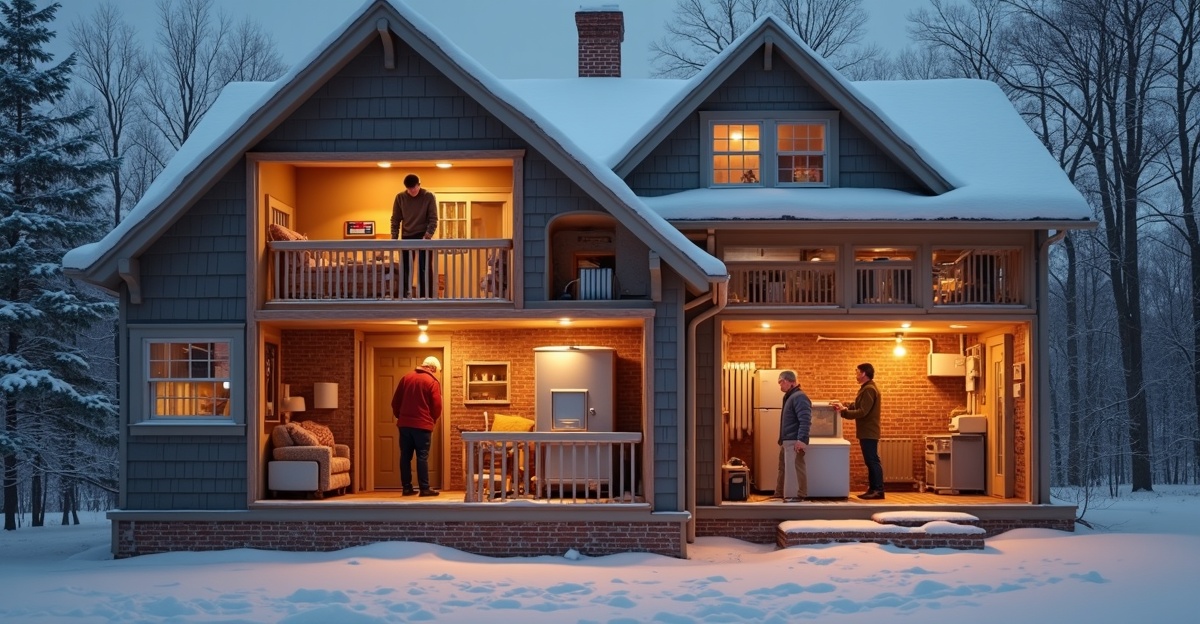
A boiler heats water or turns it into steam, then pushes it through a system of pipes to warm your space. This steady, water-based method keeps temperatures consistent—an advantage in older New England homes that often lose heat quickly.
Key Takeaways
- Boilers heat water or produce steam to warm spaces through radiators or baseboards.
- A thermostat signals the system to turn on or off based on your preferred setting.
- Pumps and piping distribute heat quietly and evenly across the building.
- These systems provide reliable, steady warmth—ideal for homes with drafts or older construction.
- Knowing how boilers work helps us catch small issues early, before they grow into major repairs.
When You’re Suddenly Without Heat: What You Need to Know Right Now
If your home or business in Methuen suddenly feels cold, here’s what might be going on. A boiler failure can feel overwhelming—but most issues are more common than they seem. Don’t panic. We’ll walk you through basic checks first, and if it’s more serious, we’re ready to step in fast.
Start with these quick steps:
- Check your thermostat. Make sure it’s set to “heat” and above room temperature.
- Make sure the boiler’s power switch hasn’t been flipped off.
- Listen for unusual banging or whistling. Strange noises can mean trapped air or limescale buildup.
- Look for any error codes or a pilot light that’s gone out.
If the temperature keeps dropping and nothing’s working, don’t try to tough it out. Reach out to our team for fast, reliable emergency boiler repair in Methuen. We’ll get you warm again—quickly and safely.
What Is a Boiler and How a Boiler Works (Without the Jargon)
A boiler is a heating system that uses water or steam to warm up your home or building. It heats water inside a unit and pushes that heated water or steam through pipes connected to radiators or baseboards. Think of it like a giant tea kettle feeding warmth through your rooms.
Some systems use hot water—called hydronic—others use steam. No matter the type, they all work to deliver steady, even heat exactly where you need it.
Here are the main parts of a residential boiler system:
- The boiler unit heats the water.
- Radiators or baseboards release the heat into the room.
- A thermostat tells the system when to turn on or off.
- Circulating pumps and pipes move the water or steam around the building.
That’s really all you need to know about how a boiler works. Behind the scenes, it’s doing the hard part—but on your end, it should feel simple and reliable.
Boiler vs. Furnace: What’s the Difference?
A lot of people mix these up—and it makes sense. Both provide heat, but they do it in very different ways.
A boiler uses water or steam. A furnace uses air. So while a boiler sends warm water to radiators or baseboards, a furnace pushes heated air through ducts and out of vents.
Boilers heat objects. Furnaces heat air. and Energy.gov explains how radiant heating systems retain warmth longer than forced air systems, which is why boiler heat tends to linger.
And in New England, that matters. Many Methuen homes still rely on boilers because they deliver consistent, even heat that’s perfect for our colder months and drafty old buildings.
Want more background? We explain the full difference between how HVAC systems like boilers and furnaces work in simple terms.
Common Boiler Problems (and What They Sound or Feel Like)
Not every boiler issue starts with a total breakdown—often, small clues show up first. Here are the common boiler problems we run into and how they might appear:
- No heat or hot water: This is the most obvious sign your boiler needs repair.
- Banging or clanging sounds: Air trapped inside pipes or mineral buildup could be causing the noise.
- Leaking water: Could be from inside the boiler or a failing seal.
- Pilot light keeps going out: Often a faulty thermocouple or gas issue.
- Uneven heating: Some radiators are hot, others cold—there may be sludge or air blocking water flow.
During Methuen’s deep freezes or after a storm, these issues can pop up fast. If you’re dealing with something unpredictable, we explain what’s considered an HVAC emergency so you’ll know exactly when to reach out.
How to Know When to DIY vs. Call a Pro
It’s smart to check a few things yourself. But some boiler issues get worse if handled the wrong way. The key is knowing where that line is.
If you’re comfortable, you can try:
- Re-setting the thermostat or adjusting the setting
- Bleeding a radiator if you hear gurgling and feel cold spots
Stop there if:
- Your boiler keeps turning off for no clear reason
- You smell gas or something odd — in that case, follow the Massachusetts official gas leak safety guidelines immediately before attempting anything else.
- You see pooling water anywhere around the unit
- The pilot light won’t stay lit
Gas, electrical, and water components make boilers too risky to fully troubleshoot on your own. If your instincts say something’s off, it probably is.
Need help now? Contact our Emergency HVAC Services team for fast, respectful service. We’ll walk you through your options without pressure, and we’ll never recommend more than you need.
Boilers in New England Homes (And Why They Matter More Here)
From Methuen to Haverhill to Salem, NH, boilers are part of daily life—especially in older homes built with hydronic systems. These setups work well for our long winters but need regular upkeep to stay reliable and compliant with Massachusetts boiler inspection requirements.
Types of Boilers Found in Methuen Homes
- Oil Boilers: Popular in older homes. Strong heat output, but need regular fuel deliveries and maintenance.
- Gas Boilers: Common in homes with gas service. Efficient and cleaner than oil.
- Electric Boilers: Found in homes without gas lines. Lower upfront cost but higher electricity usage.
Each comes with tradeoffs, but all require annual attention to avoid issues mid-winter, which ENERGY STAR recommends as part of routine heating system maintenance. That’s why it’s smart to stay on top of routine boiler service and inspections—especially after the first cold snap.
Our heating service team handles everything from inspections to emergency fixes. Whether it’s a modern gas system or an old cast-iron boiler, we’ll keep it working the way it should.
If something doesn’t feel right, it’s better to be safe than sorry. Let’s take a look and get ahead of it—winter’s not waiting around.
Frequently Asked Questions
A boiler works by heating water or creating steam and circulating it through pipes to radiators or baseboards. As the hot water or steam moves through the system, it releases heat into each room. Once the water cools, it returns to the boiler to be reheated, creating a continuous and efficient heating cycle.
A hot water boiler circulates heated water through pipes, while a steam boiler heats water until it becomes steam. Hot water systems are more common in modern homes because they are quieter and easier to control. Steam boilers are typically found in older buildings and rely on pressure to distribute heat.
No, a boiler does not heat air. A boiler heats water or steam, which warms objects like radiators, baseboards, and floors. These objects then radiate heat into the room. Furnaces, by contrast, heat air and distribute it through ductwork, which can cool faster than radiant heat.
The main parts of a boiler system include the boiler unit, thermostat, circulator pump, pipes, and heat emitters such as radiators or baseboards. The thermostat signals when heat is needed, the boiler heats the water, and the pump moves it through the system to distribute warmth evenly.
Boilers provide more even heat because water retains heat longer than air. Radiant heat warms surfaces and rooms gradually, reducing temperature swings and cold spots. This makes boilers especially effective in older or drafty homes where forced-air systems may struggle to maintain consistent comfort.