
What Causes an AC Unit to Freeze Up?
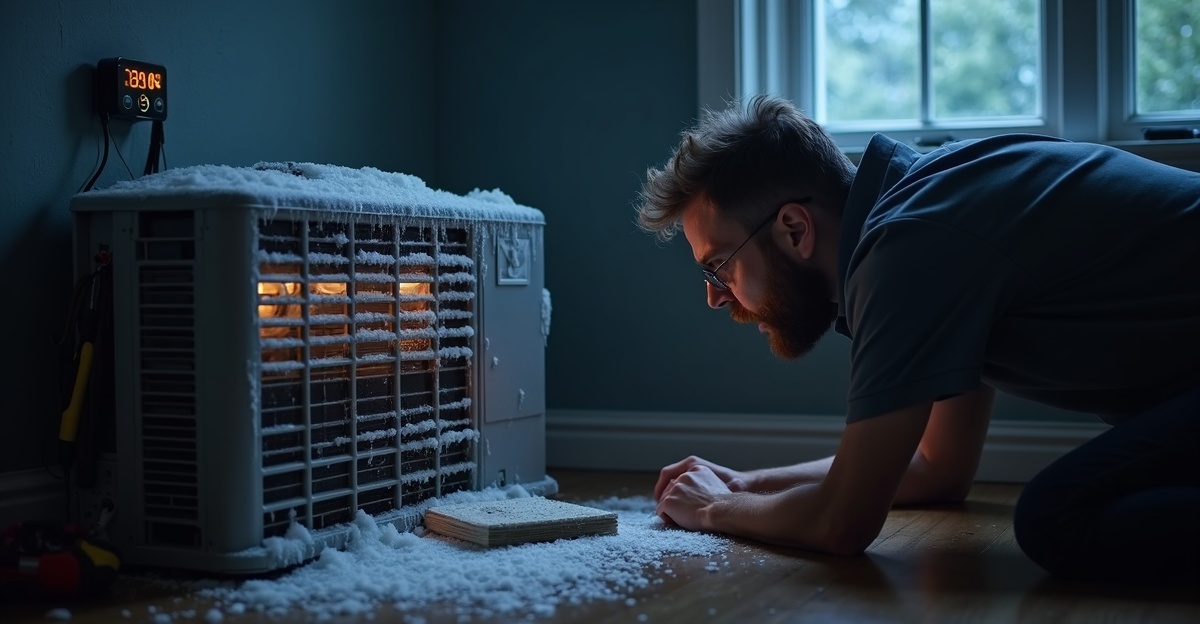
When an air conditioner develops ice buildup, the issue often stems from restricted airflow, insufficient refrigerant, or improper thermostat settings. In places like Methuen and the North Shore, older HVAC systems and humid climates can increase the chance of a freeze, especially during cool nights.
Key Takeaways
- Limited airflow—caused by clogged filters or blocked vents—is one of the leading reasons air conditioners freeze.
- Low refrigerant, often due to leaks, lowers coil temperatures enough to turn moisture into ice.
- Setting the thermostat too low on humid or cooler nights can trigger a freeze.
- As a first step, turn off the system and switch to fan mode to help thaw the ice.
- If frost returns after these checks, bring in a qualified technician to inspect the unit.
What to Do First When Your AC Freezes
If your air conditioner freezes, the first thing to do is shut it down completely. Keep it off to avoid damage to the compressor or internal components. Then, switch the thermostat’s fan setting from “Auto” to “On.” This keeps air moving across the coil and helps begin the thawing process safely.
Common signs your system may be frozen include:
- Warm air blowing from vents when cooling mode is on
- Weak or no airflow
- Visible ice on the indoor unit or refrigerant lines
- A system that suddenly shuts off and doesn’t restart
Quick Troubleshooting Checklist
Start with these steps to identify and potentially resolve the freeze-up:
- Check for visible ice on the evaporator coil or copper refrigerant lines
- Replace the air filter if it’s dirty or clogged
- Open and unblock all vents, especially in high-traffic rooms
- Keep thermostat settings moderate, especially overnight
- Watch for water leakage around the indoor unit or unusual noises
FAQ Snippets:
How do I fix a frozen AC? Turn off the unit, switch to fan mode, clean or replace the air filter, and monitor. If ice forms again, call a professional.
Is a frozen AC dangerous? Yes. A freeze-up can signal deeper issues like refrigerant leaks or airflow problems and should be checked by a technician.
How long does it take to thaw? Most systems begin to fully thaw in 1 to 3 hours with the fan running steadily.
If the ice buildup is thick or the system won’t restart afterward, call JB Heating & Cooling for emergency HVAC repair. We’ll get someone out quickly.
Most Common Reasons Your AC is Freezing Up
Poor Airflow Over the Evaporator Coil
Restricted airflow is one of the top causes of frozen AC systems, as explained in the U.S. Department of Energy’s guidance on how air conditioners work and common airflow issues. When enough air doesn’t move over the evaporator coil, moisture sits and turns to ice.
Causes can include:
- Clogged air filters
- Blocked or closed supply/return vents
- Crushed or collapsed ductwork
- Blower fan issues
You might spot frost buildup on the indoor coil or refrigerant lines. Airflow may also feel weak or stop completely. First, change the filter and open all vents. If ice returns afterward, it’s time to have the system inspected.
Low Refrigerant Levels
Low refrigerant causes pressure drops, turning the coil extremely cold, which aligns with EPA guidance on how refrigerant levels affect HVAC system performance. As moist air passes over it, it freezes moisture instantly.
Common signs include:
- Warm air output
- Hissing from refrigerant lines
- Ice on copper tubing
A refrigerant issue usually means there’s a leak, and these require a licensed technician to diagnose and repair in accordance with EPA Section 608 refrigerant handling requirements. If you suspect this, request emergency AC repair immediately—this can’t be safely handled without the right tools and certifications.
Thermostat or Setting Issues
Overuse or incorrect thermostat behavior—especially during cool, damp nights—can lead to your unit freezing. Running your AC on a very low target temp during high humidity evenings strains the system. Check that the thermostat is away from heat sources like sunlight or lamps, which may throw off readings.
Why Humidity and Local Climate Matter in the Northeast
Our Methuen and North Shore climate brings high humidity during summer, and National Weather Service data on regional humidity patterns shows how moisture levels can increase cooling strain. That moist air puts your system at higher risk of freezing, especially in the early hours when temperatures drop.
Older homes in the area tend to have uneven airflow or outdated systems. These setups often lack the efficiency needed to manage airflow and moisture control.
Even a newer system can freeze during a humid July night if the air filter’s clogged or vents are blocked. The key is managing airflow and moisture before it builds up and freezes on the coils.
What You Can Fix On Your Own—and When to Call
DIY Solutions
There are a few simple actions that go a long way in preventing and managing freeze-ups:
- Change the air filter every 1–2 months in heavy cooling seasons
- Keep furniture and curtains away from registers and vents
- Set your thermostat moderately—don’t let it run too low overnight
- Use the thermostat’s Fan mode to help thaw a frozen unit safely
When to Call JP Heating & Cooling
Don’t stress—if your system is still frozen or not blowing cold air, our local techs are nearby and ready to help anytime. Reach out if:
- Ice comes back after thawing and addressing filters or vents
- The system won’t power back up after melting ice
- You hear hissing, see puddles, or suspect a leak
- You need a same-day fix to restore comfort fast
You can count on our cooling services for reliable, fast help with repairs, diagnostics, and long-term solutions.
How to Prevent Future Freeze-Ups
Keeping your AC healthy is mostly about airflow and routine checks.
- Schedule seasonal maintenance in spring and fall to stay ahead of issues
- Ask about HVAC maintenance plans that make routine service simple
- Vacuum registers and check for duct obstructions when cleaning your home
- Avoid oversizing replacement units—larger isn’t always better
- Be thermostat-smart: don’t set it more than 15°F below the outside temp, consistent with ENERGY STAR’s recommended cooling temperature guidelines.
If your system seems to run nonstop or has trouble managing airflow, one of our techs can assess it for efficiency upgrades that suit your home’s layout.
Trusted Local Help When You Need It Most
Still seeing ice or system won’t restart? It might be time to call in local experts who won’t waste your time. At JP Heating & Cooling, we deliver fast, honest support to homeowners across Methuen and the North Shore.
Whether it’s a sudden issue or something you’ve seen coming, we’re ready to answer with:
- Emergency HVAC repair that meets you where you are
- Straight pricing with no surprises
- Friendly, certified techs familiar with New England homes old and new
We’re here in your neighborhood and already on the way if you need us—because no one should have to sweat it out while waiting for help.
To schedule service or request urgent help, contact us directly.
Frequently Asked Questions
A clean filter helps, but AC freeze-ups can still happen if airflow is restricted elsewhere. Closed or blocked vents, dirty evaporator coils, ductwork issues, or a failing blower motor can all reduce airflow. When warm air doesn’t move properly over the coil, moisture freezes and ice builds up.
Yes, low refrigerant is a common cause of AC freezing. When refrigerant levels drop due to a leak, system pressure falls and the evaporator coil becomes too cold. Moisture in the air then freezes on the coil, leading to ice buildup and reduced cooling performance.
Running an AC during cool or damp conditions can cause freezing. Low outdoor temperatures reduce heat load, and combined with high humidity, this can drop coil temperatures too far. Thermostats set too low overnight often contribute to this issue.
Most air conditioners need one to three hours to fully thaw after shutting down. Switching the thermostat fan to “On” helps speed the process by moving warm air across the coil. Restarting the system too soon can cause repeated freezing or compressor damage.
High humidity increases the amount of moisture passing over the evaporator coil. If airflow or refrigerant levels are off, that moisture can freeze quickly. Humid climates and older systems with airflow issues are especially prone to AC freeze-ups.