
Is not having heat in the winter an emergency?
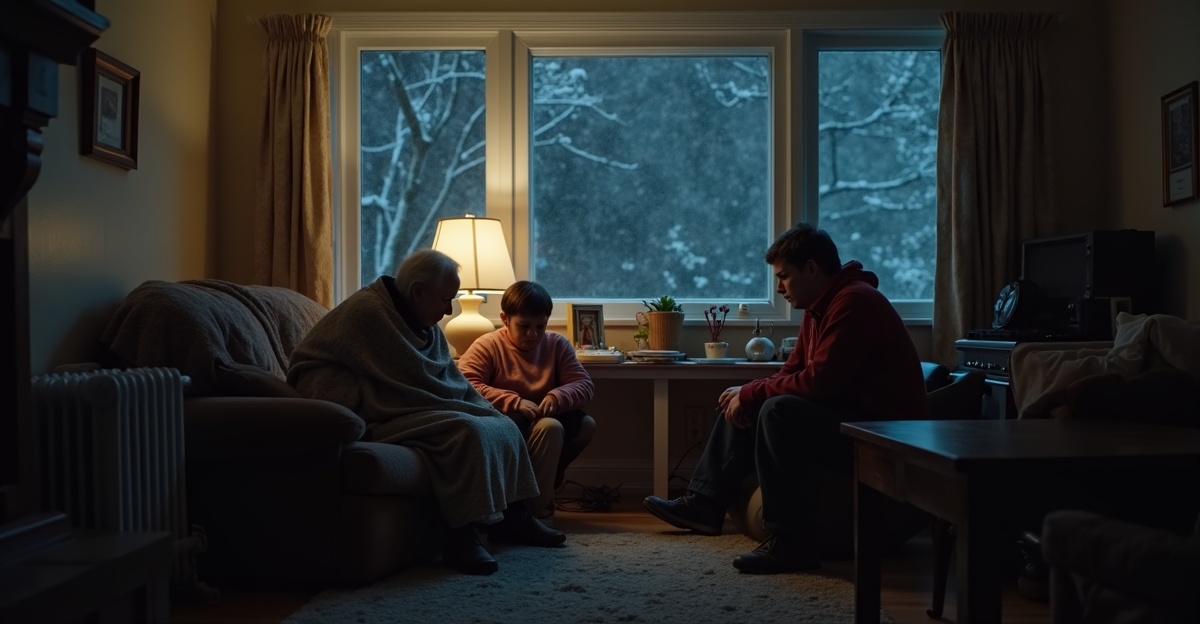
A no heat emergency in a Massachusetts winter goes beyond inconvenience—it turns urgent fast when outdoor temperatures drop below freezing and indoor temperatures slide into unsafe ranges. We treat any rapid heat loss in a home or business, especially during a cold snap or snowstorm, as an emergency to protect people, plumbing, and property.
Key Takeaways
- A total loss of heat during winter, especially below 32°F, can quickly become a serious safety risk.
- Indoor temperatures dropping below 55°F increase the chance of frozen and burst pipes.
- Homes with infants, elderly residents, or medically fragile individuals require immediate attention when heat is lost.
- Warning signs like burning smells, loud metal noises, smoke, or a carbon monoxide alarm demand emergency service right away.
- Simple checks—thermostat settings, breaker panel, fuel levels, and air filter—can rule out minor issues before calling for help.
When No Heat Becomes a Real Emergency in Massachusetts
A no heat emergency in Massachusetts happens when a heating system stops working and indoor temperatures begin dropping into unsafe levels. During winter in the Merrimack Valley and North Shore, that can happen faster than many expect.
A total loss of heat when outdoor temperatures are at or below 32°F is serious. Snowstorms and extended cold snaps increase the risk. If the house feels colder every hour, it likely qualifies as a heating emergency.
Certain situations raise the urgency immediately:
- Infants or young children in the home
- Elderly residents
- Medically fragile individuals
- Anyone with health conditions affected by cold exposure
Indoor temperatures falling below 55°F also create a frozen pipe risk. Once pipes freeze, they can burst and cause major water damage, as explained in FEMA’s guidance on preventing frozen pipe damage. In Massachusetts winters, we see this often.
A furnace not working in winter is never something to ignore when it’s freezing outside. Businesses face similar risks. Lack of heat can create safety hazards for employees and customers and may affect Massachusetts workplace safety and building compliance standards during heating season.
If a home or business has no heat in winter and temperatures are dropping quickly, that is a no heat emergency. Emergency HVAC service exists for situations exactly like this. Help is available, and fast response matters in our climate.
Is No Heat Considered an Emergency in Massachusetts?
In Massachusetts, heat is required during heating season under Massachusetts sanitary code heating requirements (105 CMR 410.201), typically September 15 through June 15, with minimum indoor temperature standards of 68°F during the day and 64°F at night. Requirements may vary by municipality; tenants should confirm with local housing authorities.
For renters, no heat landlord responsibility in Massachusetts is clear during heating season. Landlords are generally required to provide and maintain working heat. If a rental property has no heat in winter, that often qualifies as an emergency repair issue.
For homeowners, the decision depends on safety risk. We look at three main factors:
- Outdoor temperature (especially below 32°F)
- How fast indoor temperatures are dropping
- Risk of frozen pipes or property damage
When to call HVAC emergency for a no heat issue depends on temperature, occupants, and duration. If the house is cooling rapidly or vulnerable people are inside, treat it seriously.
For more detail on what qualifies as urgent, we’ve outlined common scenarios in our guide on what is considered an HVAC emergency. Every situation is different, but safety always comes first.
Is This an Emergency or Can It Wait Until Morning?
Not every furnace issue at 8 p.m. requires a middle-of-the-night visit. Some situations can safely wait a few hours. Others cannot.
If it’s 10°F outside and the furnace is not working in winter, call for emergency furnace repair right away. At that temperature, indoor heat loss is rapid and frozen pipe risk increases quickly.
If it’s 45°F outside and indoor temperature is stable between 60–65°F, it may be safe to schedule next-day service. Monitor the thermostat closely and avoid letting the temperature drop further.
Treat the following as a heating emergency:
- Loud banging or metal-on-metal noises
- Strong burning smells
- Smoke
- Carbon monoxide alarm sounding
If the carbon monoxide alarm goes off, leave the home immediately and call emergency services.
If only certain rooms feel cold but the system is running, the issue may involve airflow or ductwork rather than a full shutdown. In that case, schedule prompt repair rather than assuming total failure.
Business owners in Methuen, the Merrimack Valley, and New Hampshire need to consider employee safety and customer comfort. Losing heat during business hours may require fast Merrimack Valley heating repair or New Hampshire emergency heating service to avoid operational shutdown.
When to call HVAC emergency depends on outside temperature, how cold it has become indoors, and whether there are warning signs. If there is uncertainty, review common red flags in our article on how to know if HVAC repair is urgent.
Safe Steps to Take Before Calling
Before scheduling service, take a few simple checks. These steps can help determine whether you are dealing with a no heat emergency or a minor issue.
- Check the thermostat. Make sure it is set to “Heat” and the temperature is above the current room temperature. Replace batteries if needed.
- Inspect the breaker panel. Look for a tripped breaker labeled furnace or heating. Reset it once. If it trips again, stop and call for service.
- Confirm fuel levels. If the system runs on oil or propane, verify there is fuel in the tank. Empty tanks are a common cause of no heat in winter.
- Look at the air filter. If it is heavily clogged and easily accessible, replace it. Restricted airflow can cause shutdowns.
- Check the emergency shut-off switch. Ensure it is in the “on” position. It often looks like a regular light switch.
Do not attempt repairs. Do not open furnace panels unless trained. Do not relight gas systems unless completely confident in how to do so safely.
If the heater stops working at night, additional guidance is available in our article on what to do if the heater stops at night. Preparation also reduces stress during extreme weather, and we explain more in how to prepare for an HVAC emergency.
Warning Signs That Require Immediate Professional Service
Some symptoms require emergency HVAC service without delay.
Burning smells, smoke, or visible sparks from a furnace should never be ignored. Shut the system off and call immediately.
If the carbon monoxide alarm sounds, leave the home and contact emergency services first. Carbon monoxide is a colorless, odorless gas that can be deadly according to the CDC.
Loud banging, grinding, or screeching noises often point to mechanical failure. Continued operation can cause further damage.
Water pooling around a furnace or boiler may signal a cracked heat exchanger, leaking components, or frozen pipes beginning to thaw.
A complete system shutdown during freezing weather in Massachusetts significantly increases frozen pipe risk. Visible frost forming on plumbing is a clear warning sign.
Massachusetts winters regularly drop well below freezing. No heat emergency calls increase every year during cold snaps. If the house is losing warmth quickly, calling for emergency furnace repair or 24/7 heating repair in Methuen MA is the right move.
It is always okay to ask for help. Emergency heating service exists for these exact moments.
What to Expect When You Call for Emergency Heating Help
When calling for emergency HVAC services, a real person answers the phone. We explain what to do next and assess the urgency of the no heat emergency clearly and calmly.
We review symptoms, outdoor temperatures, and occupant safety. Based on that information, we prioritize scheduling. Homes with no heat in winter during freezing conditions move to the top of the list.
We explain pricing upfront and keep it transparent. If you are concerned about cost, we break that down in how much an emergency HVAC repair costs. There are no surprises and no vague answers.
During the visit, we diagnose the issue, explain the repair in plain terms, and review options before moving forward. For a detailed overview, see what to expect during an emergency HVAC call.
We provide heating services across Methuen, MA, the Merrimack Valley, North Shore, and New Hampshire. Service availability throughout these areas is listed on our service areas page.
If your home is losing heat or you are unsure whether it is a heating emergency, reach out through our contact page. We respond quickly, explain options clearly, and treat every home with respect. Help is ready when it is needed most.
Frequently Asked Questions
A no heat emergency is typically considered when outdoor temperatures are at or below 32°F and indoor temperatures begin falling toward 55°F or lower. At that point, health risks and frozen pipe damage become serious concerns. The faster the indoor temperature drops, the more urgent the situation becomes, especially during extended cold snaps or snowstorms.
Yes, frozen pipes can begin forming when indoor temperatures fall below 55°F, particularly in uninsulated areas like basements, attics, or exterior walls. Prolonged exposure to cold increases the risk of bursting, which can cause significant water damage. Keeping the thermostat set consistently and addressing a no heat emergency quickly helps prevent costly plumbing repairs.
You should call for emergency furnace repair at night if outdoor temperatures are freezing and indoor heat is dropping quickly. Immediate service is especially important if infants, elderly residents, or medically vulnerable individuals are present. However, if temperatures are mild and the home remains above 60°F, scheduling next-day service may be reasonable.
Yes, no heat in a rental during heating season is generally considered an emergency in Massachusetts. Landlords are required to provide and maintain adequate heat, typically between September 15 and June 15. If a heating system fails and indoor temperatures fall below required minimums, it usually qualifies as an urgent repair issue requiring prompt action.
Dangerous heating warning signs include burning odors, smoke, loud grinding or banging noises, and a carbon monoxide alarm sounding. These symptoms may indicate electrical problems, mechanical failure, or gas-related hazards. If any of these occur, shut off the system if safe to do so and seek immediate professional or emergency assistance.