
Is It Better to Repair or Replace an AC Unit?
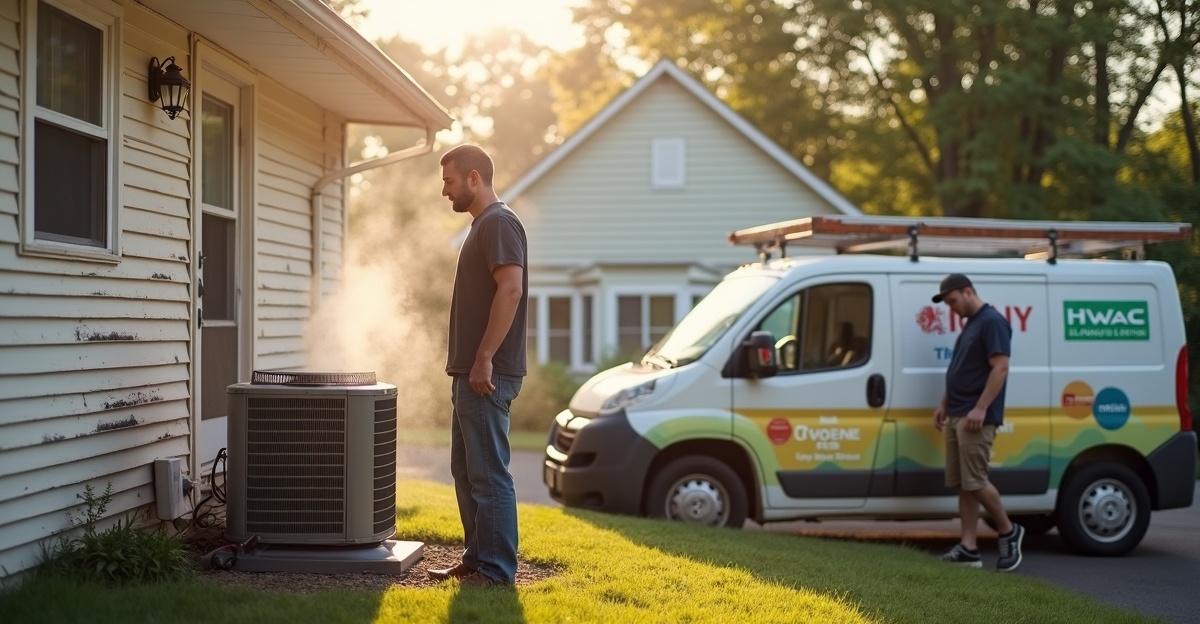
Deciding between AC repair or replacement comes down to a few key factors: the system’s age, how often it breaks down, and the projected cost of fixing it. If your unit is over 12 years old and repair costs keep adding up, replacing it often makes more financial sense.
Key Takeaways
- An AC unit between 10 and 15 years old with repeated problems often makes a better candidate for replacement than repair.
- If the system’s under 10 years old and repair costs come in at less than half the price of a new unit, fixing it usually makes more sense.
- Older systems still using outdated refrigerants like R-22 may not justify further investments.
- Newer AC models run far more efficiently and can cut your cooling expenses by 20 to 40%.
- If you’re dealing with rising energy bills or calling for service regularly, it’s probably time to upgrade.
Should You Fix It Now or Replace It for Good? Here’s How to Know
If your air conditioner stops working during a hot, sticky day in Methuen or North Andover, you’re not alone. Humid summers across the Merrimack Valley — as reflected in regional climate data from the National Weather Service — put extra pressure on older AC systems. When temperatures rise fast, so does the chance your unit will stop cooling without warning.
In these moments, deciding whether to repair or replace your air conditioner becomes urgent. Common emergency calls we respond to include:
- Complete system failure during a heatwave
- AC running but not cooling properly
- Refrigerant leaks or moisture around the unit
- Uneven airflow between rooms
- Spikes in energy bills with no clear reason
The typical cost to repair an AC is between $150 and $1,500. A full system replacement starts around $5,000 and can go higher for larger homes or high-efficiency systems.
When time is short and comfort matters, we move quickly. If you’re worried about what caused your HVAC to stop working suddenly, we’ll figure it out fast—and help you decide what’s best based on cost, age, and urgency.
Common Signs Your AC May Be Near the End
Some symptoms signal a system that may not make it through another summer. Our techs see these often, especially during peak heat or right after a power surge:
- AC blowing warm air even after you’ve changed filters or checked the thermostat
- Loud rattling, buzzing, or musty odors near vents
- Uneven cooling—certain rooms always hotter than others
- Short cycles or poor airflow from some registers
- Moisture or condensation around the unit
- Growing energy bills without changing usage
The average lifespan of an AC unit is 10 to 15 years, according to guidance from the U.S. Department of Energy. If yours is already past that mark, these symptoms deserve a second look. That doesn’t mean replacement is your only option—we’ll find the real issue, and fast. No pressure. No guesswork.
If you’re curious whether your system is acting up for the last time, see our full guide on how to tell if your HVAC needs repair or replacement.
When a Quick Repair is All You Need
Not every cooling problem points to a total breakdown. In many cases, a simple, affordable fix can get things back to normal fast—especially if your AC is under 10 years old.
Here’s when a repair makes sense:
- The issue is tied to one part—like a relay switch, capacitor, or fan motor
- Your system was reliable before this and has had regular maintenance
- The cost to repair is less than 50% of the cost of a new unit
- The system doesn’t use outdated refrigerant
A good rule of thumb: if the fix is under a few hundred dollars and your unit isn’t too old, it’s worth doing. We always provide exact quotes before we lift a tool, and we’ll never push you toward replacement if a reliable fix is possible.
If you’re searching for AC repair near you in Methuen or nearby towns, our licensed pros will give you honest answers and same-day solutions.
When It’s Wiser to Replace Than Keep Patching
There comes a point where repeated repairs and breakdowns mean your AC is no longer worth saving. When that happens, choosing to replace provides long-term peace of mind—and lower bills.
Here’s when we recommend making the switch:
- Your system is between 12 and 15+ years old
- You’ve needed service several times in the past two years
- The unit uses R-22 refrigerant, which is costly and no longer produced under U.S. Environmental Protection Agency regulations.
- Your energy bills have climbed sharply in summer
- Your AC’s SEER rating is under 13 and doesn’t meet current federal efficiency standards set by the U.S. Department of Energy.
Newer, energy efficient air conditioners use less power and maintain even temperature better. According to ENERGY STAR guidance from the U.S. Environmental Protection Agency, modern systems can reduce cooling costs by 20–40%, depending on how inefficient your current AC is.
Replacing your AC isn’t always a necessity—but it can be the smarter, more cost-effective route if breakdowns are becoming routine.
Your Quick-Check Guide: 5 Questions to Help You Decide
Ask Yourself:
- Is your current AC unit older than 10–15 years?
- Are repair bills adding up to more than half the cost of a new system?
- Are you calling for service more than once a season?
- Are summer utility bills getting consistently higher?
- Would a new system warranty and energy savings give you peace of mind?
Still unsure? Don’t guess—reach out for a second opinion. Our team gives fast, pressure-free assessments to help you make the right call.
Here’s a simplified breakdown to weigh your options:
| Repair | Replace | |
|---|---|---|
| Cost | $150–$1,500 average | $5,000+ upfront |
| Time | Few hours to 1 day | 1–2 days full install |
| Energy Efficiency | No change | 20–40% savings possible |
| Warranty | Short (part-specific) | Full system coverage |
| Urgency | Good for newer systems with manageable issues | Best for aging units or repeated failures |
You don’t have to figure this out by yourself—we’re standing by to help. Whether the job is small or big, we respond fast and treat your home with care.
Local Temperatures, Energy Costs & What That Means for Your AC
Living in Methuen, Andover, or New Hampshire means facing both steamy summers and cold, ice-heavy winters. That kind of weather cycle puts extra wear on older AC systems—especially ones exposed to outdoor elements year-round.
Summers in the North Shore and Merrimack Valley strain older cooling units. Humidity leads to clogged coils, frozen lines early in the season, and condensation damage as summer progresses. Winters can impact performance, too. Ice buildup or windblown debris may block exhaust vents or damage outdoor units—leading to unexpected issues come spring.
In areas like ours, energy bills tend to spike during extended hot periods. That’s where emergency AC service can really make a difference. We’re local and we’re ready—same day or next morning when it matters most.
If you’re looking to lower your utility costs without sacrificing comfort, talk to us about your replacement options. And if your system just needs a quick fix? We’ll tell you that too. Expect fast service, upfront quotes, and no pressure to spend more than makes sense.
To see if you’re in our service area, visit our coverage map. We handle everything from heating services in the cold months to full HVAC repair in Methuen MA year-round. Whatever your system needs, we’re ready.
Frequently Asked Questions
Repairing an AC unit is usually cheaper in the short term, especially if the system is under 10 years old and the repair cost is less than half the price of a replacement. However, frequent repairs, rising energy bills, and poor efficiency can make replacement more cost-effective over time.
You should consider replacing your AC if it’s over 12–15 years old, breaks down often, or uses outdated refrigerant like R-22. If the unit is newer, has had regular maintenance, and needs a single, affordable fix, repair is often the better option.
Most air conditioners last between 10 and 15 years. Replacement is usually recommended once a system approaches the upper end of that range, especially if performance drops or repair costs increase. Newer systems offer significantly better efficiency and reliability.
Yes, replacing an older AC with a modern, high-efficiency system can reduce cooling costs by 20–40%. New units use less electricity, cool more evenly, and meet updated efficiency standards, making them more economical for long-term use.
In most cases, no. R-22 refrigerant is no longer produced and is expensive to source. If an AC using R-22 develops a refrigerant leak or major issue, replacement is often the smarter choice rather than investing in a costly, outdated system.