
How to Prepare for an HVAC Emergency
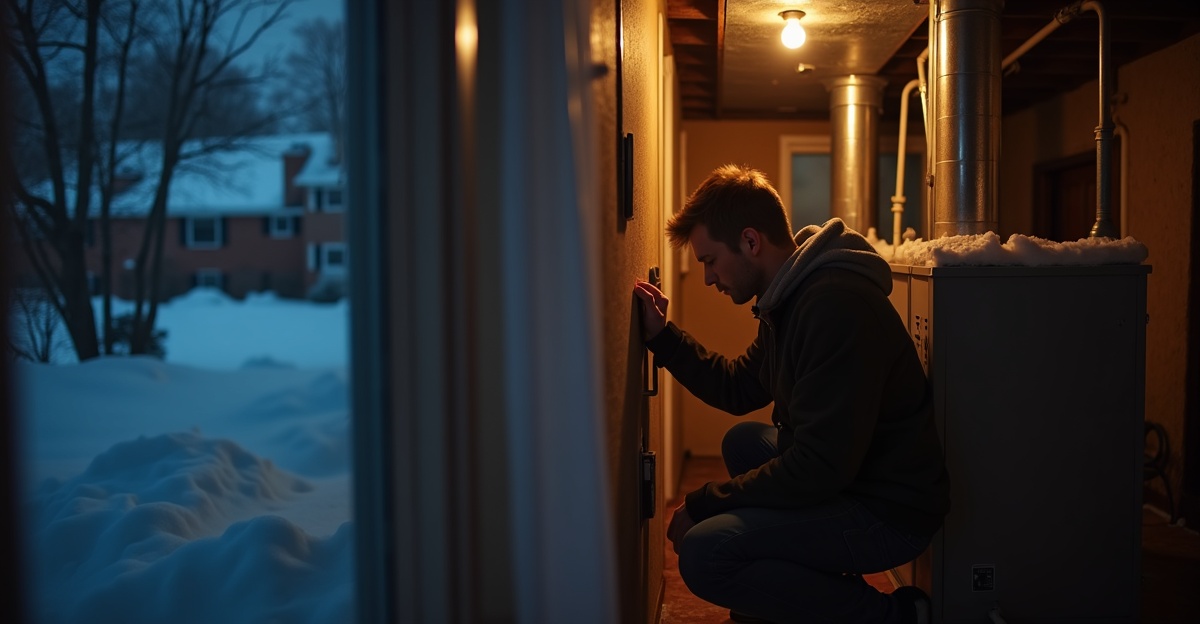
HVAC emergency preparation helps us act fast when heat or AC fails during freezing New England winters or humid summer heat waves. We reduce safety risks, prevent damage like frozen pipes, and shorten repair time when we know what counts as urgent, what steps to take right away, and how to prepare in advance.
Key Takeaways
- An HVAC issue becomes an emergency when it threatens safety, health, or property. Examples include no heat near freezing temperatures, burning smells, loud noises, or carbon monoxide concerns.
- Before calling, we safely check the thermostat, circuit breaker, power switch, air filter, and vents to rule out simple causes.
- We turn the system off if we notice banging, grinding, smoke, or burning odors to prevent further damage.
- We prepare in advance with seasonal maintenance, regular filter changes, snow and debris removal, and a visible emergency checklist with system details.
- When we call for emergency service, we share our system type, approximate age, thermostat reading, and a clear description of symptoms to speed up response and repair.
Do not modify or enhance the wording; the text must remain identical except for the HTML markup. Do not convert the first sentence or introductory text into a heading — it must remain a normal paragraph (<p>).
When an HVAC Problem Becomes an Emergency in New England
An HVAC issue becomes an emergency when it threatens safety, health, or property. Some problems can wait until regular business hours. Others cannot.
In New England, emergencies often include:
- No heat during winter when outdoor temperatures are near or below freezing
- No air conditioning during a heat wave, especially with elderly family members, young children, or medical conditions in the home
- Burning smells, electrical odors, smoke, or loud banging or clanking sounds
- Suspected carbon monoxide risk (CDC guidance on carbon monoxide poisoning and prevention recommends functioning CO detectors at all times)
- No heat situations that increase the risk of frozen pipes during extreme cold
During a polar vortex or heavy snow in Methuen, the Merrimack Valley, the North Shore, or Southern New Hampshire, a lack of heat can quickly turn serious. Frozen pipes can burst, especially during extreme cold conditions outlined by the National Weather Service winter weather safety guidance. Living spaces can become unsafe fast. In humid summer heat waves, indoor temperatures can climb to dangerous levels, especially for vulnerable occupants.
Understanding what qualifies as urgent is a key part of HVAC emergency preparation. For a deeper breakdown of urgent versus non-urgent issues, see what is considered an HVAC emergency.
Not every issue requires after-hours service. A minor performance problem may safely wait until morning. If there is uncertainty about timing, after-hours HVAC service explains when calling right away makes sense.
When the situation is truly urgent, help is available. Our emergency HVAC services are built for these moments. We respond quickly, communicate clearly, and focus on restoring comfort and safety without confusion or pressure. No one has to handle a heating or cooling emergency alone.
What to Do Immediately If Your Heat or AC Stops Working
Before calling for service, take a few safe and simple steps. These checks will not fix major mechanical problems, but they can rule out common causes.
Start with the basics:
- Check thermostat settings and replace batteries if needed
- Confirm the system power switch is on
- Inspect the circuit breaker for a tripped switch
- Look at the air filter and replace it if severely blocked
- Make sure vents and returns are not blocked by furniture, rugs, or snow
If we are dealing with what to do if heat stops working in winter, safety comes first. Keep cabinet doors open under sinks along exterior walls. Allow faucets to drip slightly to reduce the risk of frozen pipes. Use approved supplemental heat only, following National Fire Protection Association home heating safety recommendations, and never use ovens or grills indoors.
For an air conditioner not working in a heat wave, close blinds to reduce heat gain. Avoid using heat-producing appliances. Hydrate and monitor indoor temperatures closely, especially for children and elderly residents.
If the system is making loud banging, grinding, or unusual noises, or if a burning smell is present, turn it off. Running a failing system can cause more damage. For insight into sudden shutdowns, review what causes an HVAC system to stop working suddenly.
If heat fails overnight, follow guidance from what to do if a heater stops working at night. Those early hours can feel stressful, but there are safe steps we can take while waiting for service.
During peak cold snaps or heat waves, demand increases across the Merrimack Valley and North Shore. Response times may extend slightly. We stay in contact and provide clear updates. Once onsite, we assess the issue first, explain findings in plain language, and outline next steps before starting any work.
How to Prepare Before an Emergency Happens
The best way to prevent HVAC breakdowns is routine maintenance and early seasonal checks. Preparation lowers stress and reduces the risk of property damage.
For heating system failure winter preparation in New England, act before the first deep freeze. Schedule a pre-winter inspection through our heating services page. Test the system early in the season. Replace air filters every one to three months, depending on usage and pets. Clear snow and debris from outdoor units, especially after storms.
Summer readiness matters just as much. During humid conditions in Massachusetts and Southern New Hampshire:
- Check drainage lines for clogs
- Keep outdoor units clear for proper airflow
- Replace filters regularly
An HVAC emergency checklist should be kept in a visible place. Include:
- Service provider phone number
- System type (furnace, boiler, heat pump, central AC)
- Model and approximate age, if known
Preparation reduces the chance of a midnight surprise. It also protects tenants, employees, and family members.
Fast response, straightforward communication, and transparent pricing matter. We explain costs clearly before proceeding. Questions about pricing differences can be reviewed under is emergency HVAC service more expensive so expectations stay realistic.
Warning Signs Your HVAC System Is About to Fail
Systems rarely fail without warning. Subtle performance changes often show up first.
Watch for these signs your HVAC system is about to fail:
- Uneven heating or cooling across rooms
- Short cycling, where the system turns on and off frequently
- Rising utility bills without clear explanation, as noted in U.S. Department of Energy guidance on HVAC efficiency and energy costs, may indicate underlying system problems.
- Strange smells or new noises
- Weak airflow from vents
Catching these issues early can prevent a full breakdown and avoid the need for urgent service. Scheduling maintenance through our HVAC general services page can address small repairs before they grow.
Small property owners and landlords with one to twenty residential units should respond quickly to tenant complaints during winter cold and summer heat waves. A delayed response can increase liability and repair costs.
Local systems in the Merrimack Valley and Southern New Hampshire face temperature swings, heavy humidity, and winter extremes. That strain speeds up wear and tear. If there is uncertainty about a sound or performance change, it is always okay to call and ask. Clear answers help prevent bigger issues.
What Information to Have Ready When You Call for Emergency Service
Having details ready helps speed diagnosis and dispatch for 24/7 HVAC repair in the Merrimack Valley.
Be prepared with:
- System type (gas furnace, oil furnace, boiler, heat pump, central AC)
- Approximate age of the system
- Thermostat reading and current indoor temperature
- Any recent repairs or recurring issues
- Description of noises, smells, or error codes
These details help us determine urgency and bring the right tools and parts when possible. They also shorten time to resolution. For expected turnaround times, see how fast HVAC repairs can be done.
Our process stays straightforward. A technician assesses the issue first. We explain repair options clearly. We confirm approval before beginning work. Respect and transparency guide every visit.
If immediate help is needed, use our contact page to reach us quickly. Support is local, reliable, and focused on solving the problem without pressure.
Quick Answers to Common Emergency Questions
Is no heat always an emergency?
During winter near freezing in New England, it usually is. The risk of frozen pipes and unsafe indoor temperatures rises fast, especially for vulnerable occupants.
Can we stay in a home without heat overnight?
That depends on outdoor temperatures and insulation quality. Extreme cold increases the danger of frozen plumbing and unsafe conditions. If temperatures are dropping and heat is out, call.
Should the system be turned off if it is making loud noises?
Yes. Banging, grinding, or burning smells signal potential mechanical or electrical trouble. Turn the system off and request service.
What if a power outage caused the issue?
Wait for stable power restoration. Then check the breaker and thermostat. If the system still does not run, schedule service.
HVAC emergency preparation helps us stay calm, act quickly, and protect homes and businesses during harsh New England winters and humid summers. If an urgent issue is happening in Methuen, the Merrimack Valley, or the North Shore, emergency support is available, and no one has to manage it alone.
Frequently Asked Questions
An HVAC emergency preparation checklist should include your service provider’s phone number, system type, model, approximate age, and recent repair history. It should also list basic troubleshooting steps like checking the thermostat, breaker, and air filter. Keeping this information visible helps speed up emergency service and reduces confusion during stressful situations.
You can prevent many winter HVAC emergencies by scheduling seasonal maintenance before freezing temperatures arrive. Replace air filters regularly, test the heating system early, and keep outdoor components clear of snow and debris. Preventive care reduces strain on the system and lowers the risk of frozen pipes and sudden heating failure.
Yes, summer HVAC emergency preparation focuses on preventing overheating and airflow restrictions. Keep outdoor condenser units clear, check condensate drain lines for clogs, and replace filters frequently. During heat waves, reducing indoor heat gain and monitoring system performance can help avoid sudden air conditioning breakdowns.
Call for emergency HVAC repair when there is no heat in near-freezing temperatures, burning smells, smoke, loud mechanical noises, or carbon monoxide concerns. These issues can threaten safety or cause property damage. Minor performance problems without safety risks can often wait until regular business hours.
Yes, regular HVAC maintenance significantly reduces the risk of emergency repairs, consistent with U.S. Department of Energy recommendations on HVAC maintenance and system longevity. Routine inspections identify worn components, airflow issues, and electrical problems before they cause system failure. Preventive service improves efficiency, extends equipment lifespan, and helps homeowners avoid costly after-hours repair calls.