
How Long Does a Furnace Usually Last?
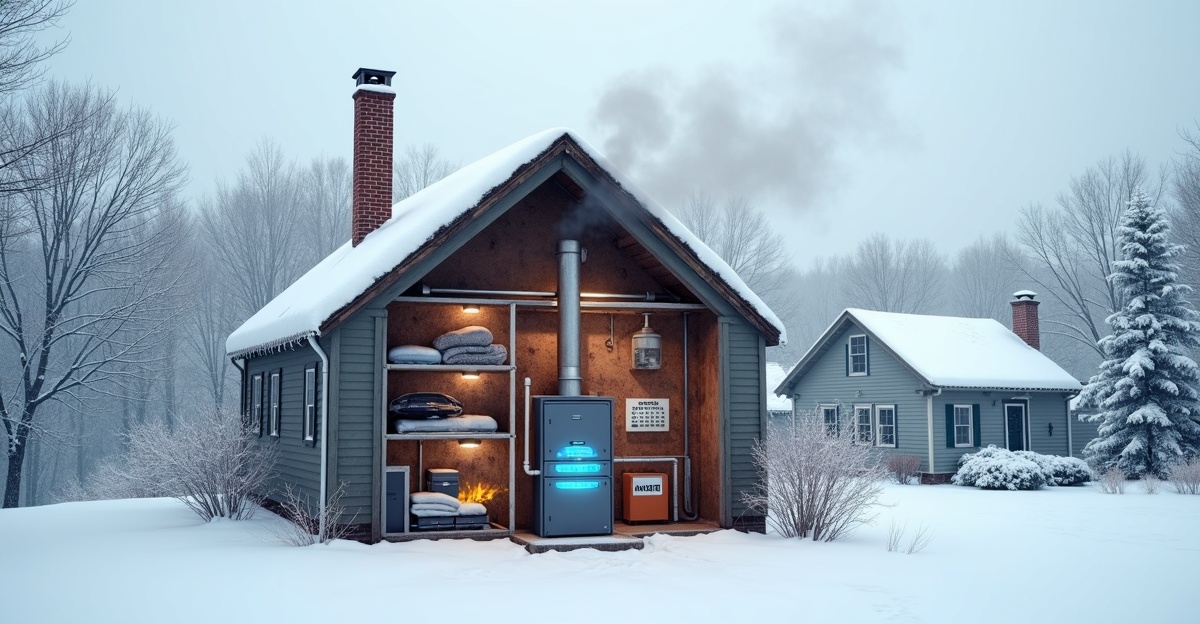
In New England, where winters stretch long and bring intense cold, furnace performance becomes critical. On average, furnaces here last 15 to 20 years. That lifespan depends on fuel type, how heavily the system runs, and how well we maintain it.
Key Takeaways
- Gas furnaces can run smoothly for up to 20 years with consistent upkeep. Oil models usually hold out around 15 years.
- Long winters increase furnace workload, adding stress to internal parts and cutting years off the unit’s life.
- Preventative care—like yearly inspections and routine filter changes—helps keep the system efficient and operating longer.
- Warning signs such as uneven heat or higher utility bills could mean our furnace’s days are numbered.
- If the system nears 15 years and breaks down often, replacement may save more money than frequent repairs.
How Long Furnaces Typically Last in New England Homes and Businesses
In places like Methuen, MA and across Southern New Hampshire, furnaces work harder than in many other parts of the country. With long, cold winters, heating systems here typically last between 15 and 20 years. Still, heavy seasonal use can shorten that timeline—especially without regular upkeep.
Gas furnaces tend to reach closer to the 20-year mark with proper maintenance, while oil furnaces usually max out around 15 years. Oil systems require more frequent cleaning due to soot buildup, which can drag down performance and add wear over time.
ENERGY STAR recommends thinking about replacement once a furnace reaches 15 years. While some units may last longer, efficiency and reliability usually start to decline right around that point.
Curious about the average furnace lifespan in Massachusetts? It’s safe to say that climate, system type, and upkeep all play a role. If your unit is hitting the 15-year mark, it may be time to take a closer look.
What Impacts Furnace Lifespan in Harsh Northeast Winters
New England’s winters are cold, damp, and long. That puts furnaces to the test. Higher usage means more wear on components and a shorter overall lifespan, especially if the system isn’t maintained well.
Key factors that influence furnace lifespan in the Northeast include:
- Frequency of use: More hours of operation increases wear.
- Age & model: Older or budget-grade units may not last as long.
- Fuel type: Gas systems generally outlast oil systems.
- Install quality & airflow: Poor setup harms efficiency and heats unevenly.
- Routine maintenance: Skipping cleanings or filter changes can shorten life.
One of the best heating system maintenance tips for New England homeowners is routine care. Changing filters every few months and getting annual inspections before winter strikes can extend your furnace’s life by years.
We’ve worked on homes across the region—from Methuen to North Andover—and see time and again that well-maintained systems outlive the rest.
Warning Signs Your Furnace May Be Nearing the End
Older furnaces rarely fail without warning. Most show clear signs as they begin to wear down. Catching these early can help you avoid surprise breakdowns during a cold snap.
Keep an eye (and ear) out for these aging furnace symptoms:
- Uneven or insufficient heating
- Unusual noises—banging, screeching, or rattling
- Rising energy bills with no change in usage
- System turning on and off repeatedly (short cycling)
- Yellow furnace flame instead of steady blue
Each of these could be a sign your furnace is dying. While some issues are fixable, others signal deeper wear—especially if the furnace is over 15 years old.
If your furnace isn’t heating well or seems to need constant attention, now’s a good time to get a professional opinion. We never push replacements that aren’t necessary. In fact, we offer free second looks when there’s any uncertainty.
Repair vs. Replace: How to Decide What’s Best
Sometimes it makes sense to repair a furnace. Other times, replacement brings greater peace of mind and long-term savings. Here’s how to weigh the options.
If your furnace is under 12 years old and the issue is low-cost—like a bad ignitor or sensor—repair is often the smarter choice.
But consider replacement if:
- The system is over 15 years old
- You’re making frequent repair calls
- Repairs cost over 30% of the price of a new unit
- The furnace struggles during extreme cold
We believe in honest guidance when it comes to furnace repair vs. replacement. We’re happy to look things over and talk through your best next step—without pressure.
When to Call a Pro: Local Help Is Ready 24/7
If your furnace starts making odd noises or doesn’t keep your home warm when temps drop, don’t wait. Quick action often prevents bigger issues.
We provide emergency HVAC service across Methuen, the North Shore, Merrimack Valley, and New Hampshire. Whether it’s late at night or early morning, we’ll show up fast and keep you informed every step of the way.
You can count on:
- Free furnace inspections
- Full system diagnostics with upfront estimates
- Same-day service when possible
If you’re uncertain whether your system can make it through this winter, let’s take a look. Call us anytime. We’re available 24/7, and someone will pick up.
Planning Ahead: Maintenance Tips & Budget-Friendly Advice
Good habits now can spare you from costly emergencies later. Staying ahead of wear and tear is the best way to keep your furnace running right and lasting longer.
To extend your furnace’s lifespan:
- Book annual tune-ups every fall before winter hits
- Replace air filters every 1–3 months
- Make sure vents and thermostats are in good working order
We offer affordable maintenance plans that can catch problems early and help stretch your furnace’s life span. They’re built with real homes and budgets in mind—not cookie-cutter service packages.
If replacement is on the horizon, we can walk you through cost ranges and timing. A new gas furnace generally runs between $4,000 and $7,000 installed. We’re glad to offer a second opinion if you’re already weighing quotes.
Whether you need regular maintenance or a complete furnace replacement, our heating services are here to help—honest, responsive, and ready when you need us.
Frequently Asked Questions
A furnace typically lasts 15 to 20 years in colder regions like New England. Long, harsh winters force systems to run more often, which accelerates wear on internal components. Gas furnaces tend to reach the higher end of that range, while oil furnaces often wear out sooner due to heavier maintenance needs and soot buildup.
Yes, furnace type plays a major role in lifespan. Gas furnaces commonly last up to 20 years with proper care, while oil furnaces average closer to 15 years. Oil systems require more frequent cleaning and maintenance, which can impact longevity. Electric furnaces may last longer mechanically but often cost more to operate.
Regular maintenance can significantly extend how long a furnace lasts. Annual professional inspections, timely filter changes, and cleaning critical components reduce strain and prevent small issues from becoming major failures. Well-maintained furnaces often last several years longer than neglected systems and operate more efficiently over time.
Common signs include uneven heating, rising energy bills, frequent repairs, strange noises, and short cycling. A yellow burner flame in gas furnaces can also indicate aging or safety issues. These symptoms often appear after 15 years and suggest declining efficiency or failing components.
Replacement is usually the better option when a furnace is over 15 years old and needs frequent or expensive repairs. If a single repair costs more than 30% of a new system’s price, replacement often saves money long term through improved efficiency, reliability, and lower energy bills.