
Why Is My AC Making a Buzzing Noise?
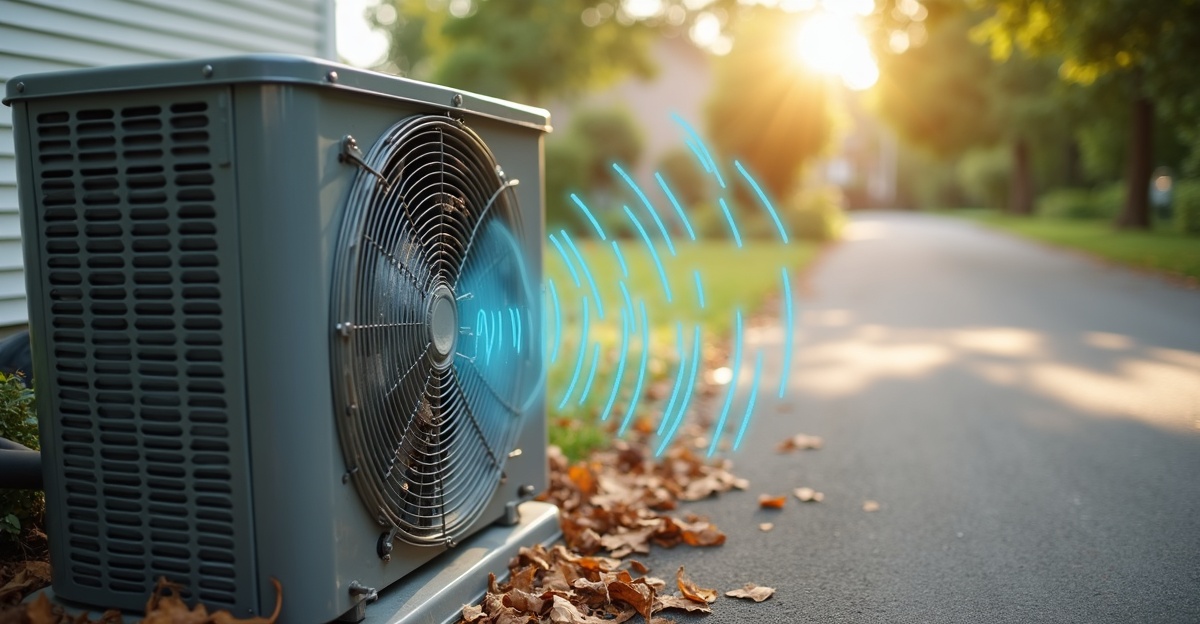
Strange sounds coming from the air conditioner usually mean something’s wrong, and a buzzing noise often points to loose hardware or failing parts. In many homes around Methuen, especially during extreme heat, buzzing can signal that the system needs quick attention to avoid a full breakdown.
Key Takeaways
- Typical reasons for AC buzzing include loose screws, electrical faults, frozen coils, or blocked outdoor units.
- If buzzing happens with warm air or a burning smell, switch off your system immediately and request emergency service.
- Noisy ACs are more common in older homes and rooftop systems due to aging parts, outdated wiring, and exposure to weather.
- Fast checks—like clearing the outdoor unit or confirming the system is level—can help find the source of the problem.
- Ignoring buzzing can cause more damage, especially to major components like the motor, compressor, or electrical circuit.
What That Buzzing Noise Might Mean: Common Causes You Should Know
If your AC is suddenly making a strange buzzing noise, you’re not alone — and you’re right to look into it. We get calls like this often, especially during Methuen’s heatwaves when systems are running nonstop — a pattern that aligns with increasing extreme heat events reported by NOAA. Buzzing means something isn’t right, and hearing it means it’s time to pay attention.
Here are the most common reasons homeowners in our area hear buzzing from their air conditioning system:
What Might Be Causing the Buzzing?
Several things might be behind the sound, from loose screws to deeper system issues. Here’s what we often find:
- Loose or unbalanced parts: Over time, screws can shake loose or fan blades can shift. That vibration creates a sharp, repetitive buzz. It’s more common in systems that are older or work extra hard during hot days.
- Electrical issues: Buzzing from your AC might mean electrical trouble, such as a failing capacitor or contactor. These are small, internal parts that help your unit start up and keep running. If one slips or wears out, it can create a buzzing sound before the part fails completely.
- Debris in the outdoor unit: We’ve seen everything from twigs and leaves to bird nests stuck in outdoor units. Any of that can cause vibrations or buzzing while the fan turns.
- Frozen parts: A coil or refrigerant line starting to freeze may hum or buzz, especially just before the system shuts off. It’s a warning signal that shouldn’t be ignored.
- Compressor issues: When the compressor is struggling or failing — especially in older or overworked AC systems — it may buzz loudly during operation, a symptom commonly outlined in major HVAC manufacturer troubleshooting guides. This type of problem usually needs professional support fast.
- Failing motor: A motor straining to do its job can make buzzing or humming noises. Often, it’s a sign that it’s running on worn bearings or low power.
- Low refrigerant: Low coolant can force your unit to work harder and cause strange noises as the pressure shifts inside the system — a problem the U.S. Department of Energy explains can reduce efficiency and damage components over time.
These issues can show up more often in older homes with aged wiring — a common factor around North Shore and the Merrimack Valley. We also see this a lot in flat-roof commercial buildings with older AC units exposed to weather for years.
When to Call for Emergency AC Repair (and When You’re Probably OK)
Some sounds mean you need help right away. Others are less urgent. Our goal is to help you feel confident knowing the difference.
Call us right away if:
- You hear buzzing plus smell burning, see smoke, or notice sparks — shut off the unit immediately and contact a technician.
- Your AC is buzzing but blowing warm air, or not cooling at all while it’s extremely hot outside. This can become dangerous during heatwaves.
- The unit buzzes, then turns off — this could be a capacitor, compressor, or motor getting ready to fail.
For less urgent issues:
- A slight buzz right as the system turns on might just be aging parts starting up.
- A single buzz followed by normal operation could point to a loose panel or minor debris vibration.
- If the noise disappears quickly and doesn’t return, it’s safe to monitor for now — but keep an eye (and ear) on it.
For round-the-clock help, our emergency AC repair crews cover Methuen, Lawrence, North Andover, and beyond. We’re equipped to respond day or night.
Quick Self-Checks You Can Do Now (No Tools Needed)
Before calling, there are a few safe things we recommend checking. These quick steps can help give us a head start when you call:
- Look at the outside AC unit. Is anything visibly shaky or off-center, like a fan blade or panel?
- Check for yard debris: sticks, leaves, or clogs around the fan grill or inside near the motor.
- Walk around your unit. Does it sit flat, or has it shifted or tilted? A lopsided AC can cause all kinds of noise.
If you’re unsure, don’t push it. Always remember—if something’s buzzing and electric parts are involved, it’s best to turn off the power and wait for a technician. No AC fix is worth risking your safety.
And no, doing this doesn’t slow us down. On the contrary, you’re helping us figure things out faster once we’re on site.
Why Waiting Could Cost You: What Happens If Buzzing Is Ignored
We’ve seen firsthand how putting off what sounds like “just a little noise” can lead to major system damage.
Here’s what can happen if buzzing continues unchecked:
- A loose part might rattle until it breaks something more important — like a screw that damages a fan blade or housing unit.
- Electrical faults can get dangerous — according to the U.S. Consumer Product Safety Commission, electrical failures are a leading cause of residential fires. That failed contactor or capacitor? It won’t fix itself.
- A worn compressor or motor under stress will eventually burn out. Replacing them is far more expensive than catching small wear early.
- An intermittent buzzing noise that suddenly goes quiet doesn’t always mean the problem went away. Often, broken parts stop moving — and that silence could come just before complete failure.
If your system isn’t cooling as it should but keeps buzzing, take a look at this breakdown of what might be going on.
Buzzing in Context: Why It Happens More Here in the North Shore & Merrimack Valley
AC problems tend to show up in clusters around here. That’s not a coincidence.
Older homes around Methuen, Haverhill, and Lawrence often still rely on wiring installed decades ago — a known safety concern addressed in National Fire Protection Association electrical safety standards. Combined with aging equipment, this makes buzzing noises more likely and more dangerous.
We also have to factor in our weather. Winter snow, rain, and spring humidity take a toll on outdoor systems. Leaves and moisture get into parts that should stay dry. In summer, the jump from 60°F evenings to 95°F afternoons pushes faulty motors, low refrigerant levels, and freezing coils right to the edge.
Just last week, we responded to a call from a Lawrence homeowner who reported loud buzzing. It was a 20-year-old rooftop unit. The fan motor had seized, likely from being overworked on one of the first 90-degree days of the year. We replaced the motor and gave the unit a full inspection on the spot. The system was running cold again by late afternoon.
For homes in Methuen, we recommend regular HVAC services in Methuen during the spring. That helps avoid stress breakdowns during the hottest part of July.
We’re Here When You Need Us – Even in the Middle of the Night
If an unusual sound from your AC has you feeling anxious, stop and take a breath. We’re already on standby and ready to help.
At JP Heating & Cooling, we’re proud to be the local HVAC company North Shore families call when things go sideways. We provide straight answers, honest pricing, and 24/7 availability — because things don’t just break Monday through Friday.
Whether your system needs a fast fix or a full checkup, our HVAC technicians are ready. That includes emergency calls overnight when heat, buzzing, or lack of airflow becomes urgent.
We’re familiar with all the reasons an HVAC system might suddenly stop working — and we know how to get things running again fast.
If you’re hearing a buzzing noise and your system is running but not cooling right, don’t wait too long. And if you’re unsure whether your situation qualifies as urgent, here’s what counts as an HVAC emergency and when to call immediately.
We’re proud to serve customers across Essex County, with service coverage from Methuen to HVAC services in North Andover and the surrounding cities. Every home, every call — we treat it like it’s our own.
Help is already on the way. And if you’d like to speak with someone now, just reach out through our contact page.
Frequently Asked Questions
A buzzing noise from an AC is usually caused by loose components, electrical problems, debris in the outdoor unit, or failing parts like a capacitor or motor. The sound comes from vibration or electrical current struggling to flow properly. While some causes are minor, others can signal a problem that may worsen if ignored.
An AC buzzing noise can be dangerous if it’s linked to electrical issues, such as a failing capacitor, contactor, or damaged wiring. Buzzing combined with burning smells, sparks, or the system shutting off is especially serious. In these cases, the unit should be turned off immediately to reduce fire or equipment damage risks.
Some buzzing issues can be reduced by homeowners, such as removing debris from the outdoor unit or tightening a loose access panel. However, internal electrical components and motors should not be handled without training. If the buzzing continues or affects cooling performance, professional inspection is the safest option.
An AC can buzz and still cool if the issue is minor, such as a loose part, aging electrical component, or slight vibration during startup. Even if cooling continues, the noise often means a part is wearing down. Addressing it early can prevent sudden breakdowns during peak heat.
You should call for AC repair if buzzing is loud, constant, or paired with warm air, frequent shutdowns, or unusual smells. Buzzing that gets worse over time or appears during extreme heat often points to stressed components. Early service helps avoid expensive repairs to motors, compressors, or electrical systems.