
Should I Repair a 15-Year-Old Furnace?
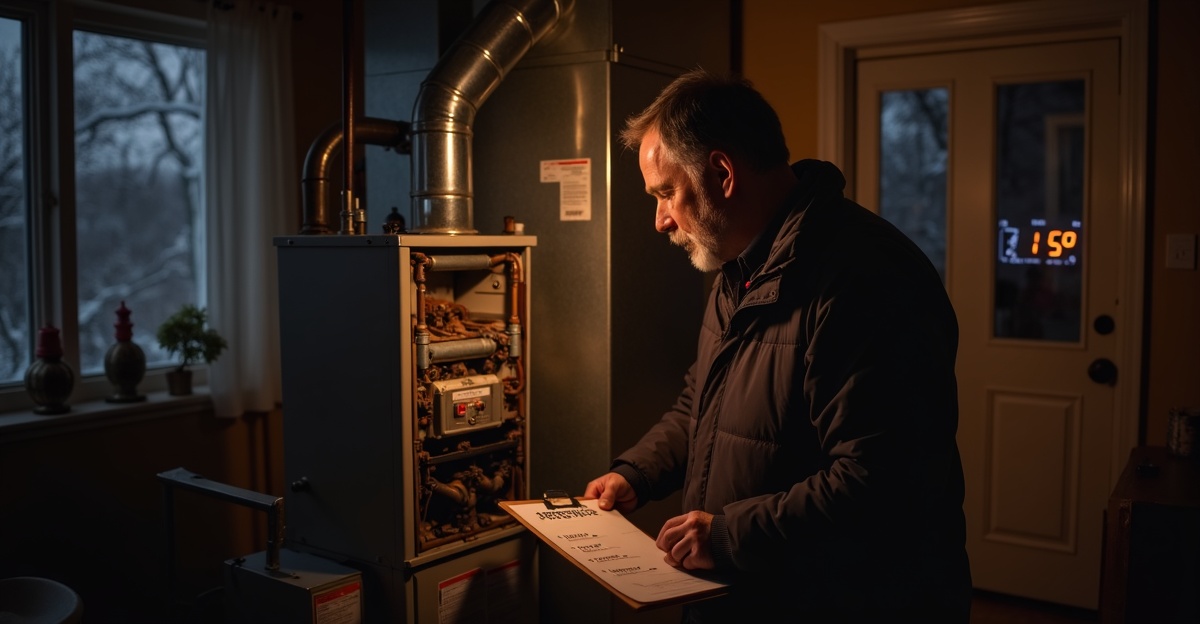
Deciding what to do with a 15-year-old furnace requires a clear look at safety, repair history, and energy efficiency. At this stage, the likelihood of system-wide issues increases. While maintenance can stretch the life of a unit, repeated problems often point to a better option: replacement.
Key Takeaways
- At 15 years, most furnaces begin showing age-related decline in safety and performance.
- If one repair costs nearly 50% of what a new unit runs, replacement usually offers more value over time.
- Recurring malfunctions and higher energy bills often mean the furnace is close to failing completely.
- Repairs remain a smart option when the unit has performed consistently and received regular care.
- A qualified technician can help us determine if the current issue stands alone or signals broader system failure.
How to Know When Furnace Repair Is Worth It (and When It’s Not)
If you’re staring down a cold Methuen night and wondering, “Is it worth repairing a 15-year-old furnace?”, you’re not alone. Winter in the North Shore doesn’t forgive a faulty furnace—and decisions feel urgent when your home’s losing heat.
The truth is, many systems push through to 20 years with steady maintenance. According to the U.S. Department of Energy, the average furnace lifespan falls between 15 and 20 years.
. That makes 15 years a key moment to assess next steps.
But the answer isn’t just about the age on the label. Comfort, ongoing costs, safety risks, and recent repair history all matter. You don’t have to figure it out alone. We’re here to help you make the right call—based on facts, not pressure.
If you’re already dealing with furnace trouble, peek at these signs of a failing furnace to learn what your system might be telling you.
Checklist: Repair or Replace? 6 Factors Every Homeowner Should Weigh
How to Evaluate Your Furnace
Use this list to get a clearer picture of what makes sense for your home:
- Age: At 15 years, your furnace is at a turning point. If you’ve kept up with maintenance, it may have a few years left. If not, wear could shorten its life.
- Repair Costs: A single repair approaching half the cost of a new furnace? That often means replacement is smarter, a guideline also supported by ENERGY STAR’s replacement recommendations.
- Breakdown History: More than one major repair in the past two years? It’s likely more are coming.
- Comfort & Efficiency: Cold spots, weak airflow, or rising bills can mean the furnace isn’t running efficiently anymore.
- Air Quality Issues: Extra dust, musty smells, or dry air might be linked to older furnace parts losing function.
- Safety Risks: Cracks in a heat exchanger may release carbon monoxide, a serious indoor air hazard explained by the Centers for Disease Control and Prevention. If there’s any sign of this, shut the system down and call us immediately.
We break this down further in our guide on how to know if a furnace needs repair or replacement—a good next step if you’re weighing both sides right now.
What a 15-Year-Old Furnace Is Telling You
Once a furnace reaches its 15th year, it’s normal to see signs of wear that impact efficiency and reliability. Parts like the heat exchanger, blower motor, and ignition system start to age out of useful condition, as explained in this overview of how furnaces operate from the U.S. Department of Energy. That wear doesn’t just mean repairs—it also means higher bills and uneven heating.
In a winter like ours, even a small failure can leave the house uncomfortable fast. If your furnace is blowing cold air or cutting out frequently, have a look at this page on why your furnace might blow cold air.
Older systems work harder just to maintain the same indoor temperature. That effort adds strain—and expense—to every hour of run time. If parts are failing one after another, it’s a signal this system might be nearing the end.
We always recommend having a licensed tech assess the issue. They’ll let you know whether the problem’s contained or if it points to bigger trouble coming. For homeowners around here, our heating services are built to answer those questions quickly and clearly.
Pros and Cons of Fixing an Older Furnace
There’s value in taking a pause before jumping to a full replacement. Short-term fixes can buy time—especially if you’re budgeting or still researching new units.
What You Should Consider
Pros of Repairing:
- Often lower up-front cost than replacement
- Keeps familiar equipment running
- Buys time for researching and planning your upgrade
Cons of Repairing:
- May be a short-term fix—future repairs could add up fast
- Breakdowns often happen at the worst times (mid-winter, nights)
- Doesn’t improve efficiency or lower energy bills
For example, spending $600 on a single repair may seem like the easier move—but if it’s followed by another $700 repair next month, replacement starts to look more sensible. That’s why we’re upfront about all your options before doing any work.
You can also explore more about the importance of regular servicing, which can sometimes extend the useful life of an older unit.
What Repairs Typically Cost—and When They Tip the Scale
Common Repair Costs vs. Replacement
Here’s what you can expect to pay for some of the most frequent issues:
- Igniter repair: $150–$300
- Blower motor replacement: $400–$700
- Heat exchanger repair or replacement: $1,000 or more
When you compare that to total furnace replacement cost, which ranges from $3,500 to over $8,500 depending on system size and type, the 50% rule starts to matter. If a repair’s cost reaches half or more of a full replacement’s price, replacement offers better long-term value.
On top of that, newer high-efficiency systems can reduce your heating costs by up to 30% a year, according to ENERGY STAR efficiency data.
On top of that, newer high-efficiency systems can reduce your heating costs by up to 30% a year, according to ENERGY STAR efficiency data.
On top of that, newer high-efficiency systems can reduce your heating costs by up to 30% a year, according to ENERGY STAR efficiency data.
On top of that, newer high-efficiency systems can reduce your heating costs by up to 30% a year, according to ENERGY STAR efficiency data. That savings adds up fast over just a few winters.
If your heating bills keep getting higher and you aren’t sure why, check out this post on what can cause costly heating bills.
Need a Hand Deciding? We’re Here 24/7 with Honest Guidance
Not ready to decide right this minute? That’s completely fine. These choices can take time—and sometimes you just need to talk it through with someone who knows what they’re doing.
We’ve served Methuen, Massachusetts, and surrounding Merrimack Valley towns since 1985. We’re proud to be the local team that picks up the phone—day or night—when your furnace quits working. You can count on us for clear, straight answers with 24/7 emergency furnace service in Merrimack Valley.
Our licensed technicians walk through every option with you. No surprises. No pressure. Just honest guidance, fast response, and transparent pricing.
Take a minute to check our furnace repair Methuen MA homeowners rely on when it’s freezing outside. Or head over to our overview on furnace life expectancy to get a better handle on where your unit stands.
Still unsure? Let’s talk it through. Our local experts are here 24/7—no pressure, just answers you can trust.
Frequently Asked Questions
Repairing an old furnace can be worth it if the unit has been well maintained and the repair cost is relatively low. If the furnace still heats evenly, hasn’t needed frequent repairs, and the issue is isolated, a repair may extend its life a few more years. However, repeated failures often signal diminishing value.
A common rule is that a furnace repair should not exceed 50% of the cost of replacement. If repairs approach that threshold, replacement usually makes more financial sense. Older furnaces are more likely to need additional repairs soon, increasing long-term costs beyond the initial fix.
The main risks include recurring breakdowns, rising energy bills, and potential safety issues. Older furnaces may develop cracked heat exchangers, which can leak carbon monoxide. Even when repaired, aging components often fail again, making the system less reliable during cold weather.
Most repairs restore basic function but do not significantly improve efficiency. Older furnaces generally operate at lower efficiency than modern models, even after repairs. While fixing a faulty part may reduce wasted energy, it will not deliver the long-term savings of a newer high-efficiency furnace.
You should stop repairing an old furnace when breakdowns become frequent, repair costs keep increasing, or comfort and heating performance decline. If the system struggles to maintain temperature or causes rising utility bills, replacement is usually the more practical and cost-effective choice.