
How Fast Can HVAC Repairs Be Done?
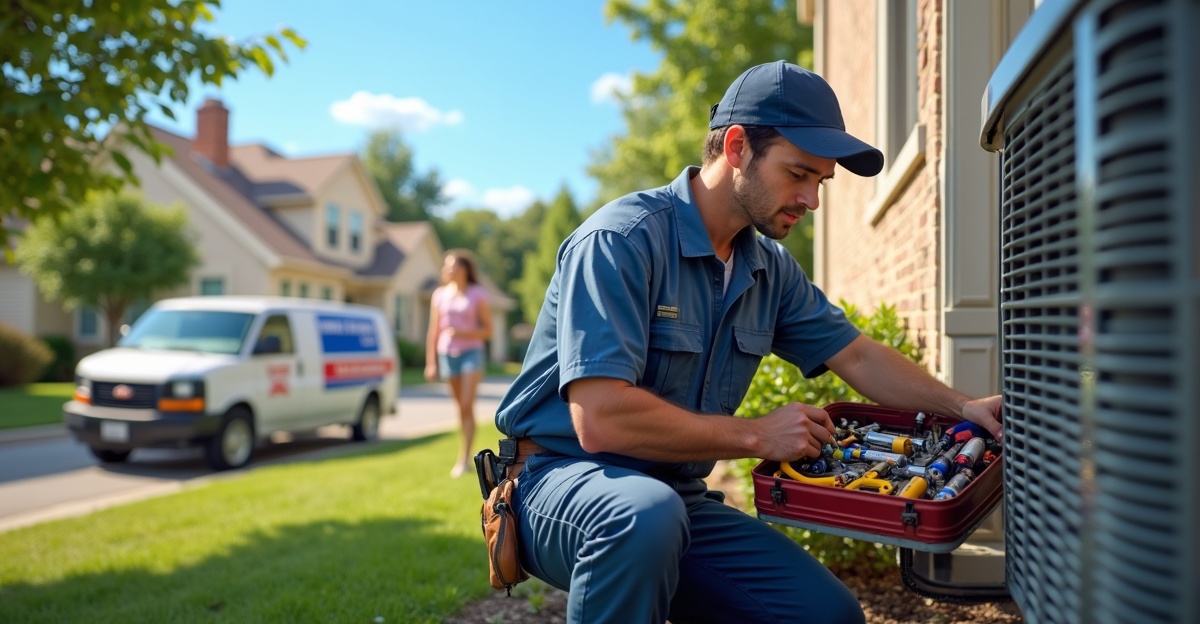
HVAC repair times vary based on the issue, parts availability, and urgency. Quick fixes like replacing a thermostat or a fuse often wrap up in under an hour. More involved work—such as replacing a compressor—can stretch across several hours, especially during peak seasons or when parts need to be sourced.
Key Takeaways
- Most basic HVAC repairs, like swapping a thermostat or capacitor, finish in an hour or less.
- More involved tasks, such as replacing a motor or compressor, may take 4–8 hours depending on system design and space limitations.
- For urgent cases, we respond within 2 hours. If parts are on hand and safety allows, we complete the repair the same day.
- During extreme weather, repair schedules can stretch due to the surge of service calls.
- Our technicians focus on clear updates, safety-first methods, and dependable turnaround times.
What You Can Expect: Common HVAC Repairs and How Long They Take
When you’re without heat or cooling, time matters. Most repairs are completed quickly, but the exact time depends on the issue. Here’s what we typically see for common repairs:
- Thermostat replacement: 30 to 60 minutes. This fix is often fast, especially with standard models.
- Blown fuse or breaker reset: Around 30 minutes. Simple and usually straightforward—if there’s no deeper issue.
- Refrigerant recharge: 1 to 2 hours, and because refrigerants are regulated under EPA Section 608 guidelines, leak detection and proper handling are essential.
- Capacitor or contactor replacement: About 1 hour. These parts often fail in older systems but are usually quick to swap.
- Ignition system problems in heating units: 1 to 2 hours. This may involve flame sensors, pilot systems, or ignition modules.
- Motor or compressor replacement: 4 to 8 hours, sometimes more. These complex, labor-intensive repairs might also require special parts.
We always aim for same-day solutions, but not every problem allows fast fixes. Waiting on parts or ensuring safe operation sometimes means longer repair times. We believe in transparent timelines. We’ll always explain what’s possible—and what’s needed to do the job right.
What Makes HVAC Repairs Faster or Slower?
Several practical factors shape how quickly we can complete a repair.
Factors that affect HVAC repair speeds:
Understanding these can help set clear expectations:
- Time of year: Summer and winter bring the highest demand, especially during extreme weather events documented by the National Weather Service in Massachusetts.
- Part availability: Modern or high-efficiency systems sometimes require special-order parts.
- Repair complexity: A fast diagnosis doesn’t always mean a fast fix if the failed component is buried in the system.
- Scheduling and demand: In peak seasons, areas like Methuen and North Andover experience service backlogs. During a cold snap last January, our Methuen team received twice the usual call volume, and repairs took up to six hours longer.
- System age: Older units often take longer to diagnose and repair due to rust, worn parts, or discontinued components.
Our team works efficiently and communicates clearly. If delays happen, we’ll keep you informed and provide backup options when possible.
Emergency vs. Scheduled Repairs: What’s the Difference?
Emergency and scheduled service differ by urgency, scope, and availability.
Emergency situations include:
- No heat in freezing weather
- No cooling during high heat (especially if health risks are involved)
- Burning smells, smoke, or strange electrical noises
When these conditions happen, we treat them as urgent.
We offer 24/7 HVAC service in the Methuen area, and most emergency calls are triaged within 2 hours. Our goal is same-day resolution when safety and parts permit.
For non-urgent issues—like tune-ups, uneven airflow, or minor noises—we offer appointment scheduling within 1–2 business days based on technician availability.
If you’re unsure whether your issue is urgent, read more on when a problem becomes an emergency. We’ll help you decide what’s needed.
What to Do Right Now If Your HVAC Isn’t Working
Here’s how to stay calm and take useful next steps while you wait:
- Review your thermostat: Make sure it’s on, set correctly, and has fresh batteries.
- Check the breaker panel and safety switches: Sometimes it’s just a tripped breaker.
- Watch and listen: Note any blinking codes on your system, strange sounds, or smells.
- Skip DIY fixes: Opening panels or rewiring components can worsen the issue and create fire risks highlighted by the National Fire Protection Association’s home electrical safety guidance.
- Call us for emergency HVAC help today.
While waiting for your technician:
- Clear the area around your indoor unit or furnace.
- Find your system’s model number if possible.
- Write down when the issue started and what you’ve observed.
Even small steps like uncluttering your utility area help us work faster once we arrive.
Real Stories from Service Calls in Methuen
Here’s how experience and local access make a difference.
Last summer, a business owner in downtown Methuen lost A/C during a humid 85-degree week. Our crew responded within three hours. We diagnosed a faulty contactor and had it replaced within that same visit—limiting interruptions and avoiding weekend downtime.
Another time, during a fierce winter storm, a family in the Merrimack Valley lost all heating. With road conditions rough, we rerouted a nearby tech who found a failed ignition control module. Using parts we carry for common systems, we got their heat restored overnight.
Situations like these highlight why choosing a local HVAC company familiar with the climate and housing patterns in Methuen, Massachusetts makes a measurable difference. Familiarity with local homes, infrastructure, and climate helps us serve faster and more reliably.
Questions We Hear the Most
Common HVAC repair concerns, answered:
- “What if my system can’t be repaired right away?”
Some parts require 1–3 days for delivery. When needed, we provide temporary aid—like loaner heaters or portable A/C units—until your system is fixed. - “Can I wait until tomorrow?”
Possibly. If weather is mild and the issue isn’t causing further system damage, a brief delay can be safe. We’ll give honest guidance so you’re not left guessing. - “When does a problem become an emergency?”
If there’s no functional heating or cooling during extreme temps, or if you smell burning, hear loud banging, or see smoke—it’s time to call immediately.
To get ready for our visit, we’ve created a quick-reference HVAC Technician Prep Checklist. It includes what to gather and how to make the repair go more smoothly.
Whether it’s emergency fixes or general service, we’re here for same-day HVAC repair that’s honest and dependable. Let us know what your system needs—we’re ready.
Frequently Asked Questions
Most HVAC repairs take between 30 minutes and 2 hours. Simple issues like thermostat replacements, blown fuses, or capacitor failures are usually resolved quickly. More time is needed if diagnostics uncover additional problems or if system access is limited, but many common repairs are completed during a single service visit.
Major component failures take the longest to repair. Compressor, blower motor, or heat exchanger replacements can require 4–8 hours or more. These jobs involve system disassembly, refrigerant handling, testing, and sometimes electrical work. Repair time also increases if parts must be ordered or the unit is difficult to access.
Yes, many HVAC repairs can be completed the same day if parts are available and conditions are safe. Same-day service is common for minor electrical or mechanical issues. During peak summer or winter demand, timelines may extend due to scheduling volume or delayed part availability.
Yes, HVAC repairs often take longer during extreme weather seasons. Heatwaves and cold snaps create high service demand, which can delay scheduling. Additionally, certain parts may be harder to source during peak periods, increasing overall repair time compared to off-season service calls.
It depends on the issue and weather conditions. Minor problems can sometimes wait without causing damage. However, no heat in freezing temperatures, no cooling during extreme heat, or signs like burning smells or loud electrical noises should be addressed immediately to avoid safety risks or system damage.