
Why Is My Furnace Making a Loud Noise?
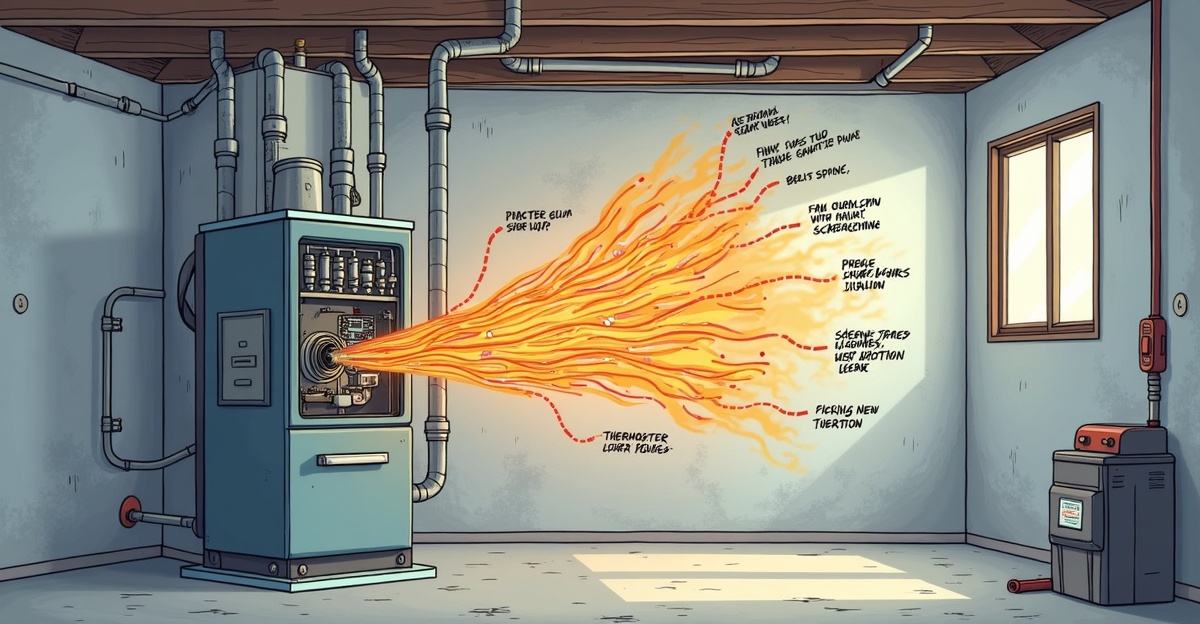
If your furnace starts making loud noises either at startup or during operation, chances are there’s an underlying issue—from something as minor as a loose panel to something more critical like ignition failure. Identifying the type of noise—banging, rattling, clicking, or high-pitched squealing—helps us determine whether we should fix it ourselves or bring in a professional.
Key Takeaways
- Banging or booming sounds usually come from delayed ignition. This can pose a safety hazard and needs immediate expert attention.
- Rattling often points to a loose screw or panel. Fix it quickly to avoid damaging other components.
- A loud hum or whirring noise may mean the blower motor or capacitor is wearing out. This can reduce airflow and shorten system life.
- Screeching or squealing noises often come from a slipping belt or motor issue. If left alone, they can force the system to shut down.
- Repeated clicking during startup—especially if the furnace doesn’t fire up—can mean the ignition system has failed and needs professional inspection.
Common Furnace Noises and What They Usually Mean
Loud furnace noises can signal anything from a loose screw to a serious safety risk. Here’s what different sounds typically mean and what they might be trying to tell us.
Banging or Booming
A furnace banging sound—especially at startup—is often caused by delayed ignition. When gas builds up before igniting, it creates a small explosion that results in that booming noise — a known combustion hazard outlined by the National Fire Protection Association. This isn’t just loud; it’s dangerous. Delayed ignition can lead to cracked heat exchangers and gas leaks, which may increase the risk of carbon monoxide exposure according to the CDC. If we hear this, we’re looking at an issue that needs a professional fix right away.
Rattling
If the furnace is making a rattling noise, it usually means something is loose—most often a panel or screw. While it might not seem serious at first, this sound can get worse over time. Ignoring it may lead to further damage. It’s an easy issue to inspect and tighten, but should still be addressed before bigger problems develop.
Humming or Whirring
A steady hum or light whirring can suggest that the fan motor or capacitor is under stress. If the noise is unusually loud, it’s likely something’s wearing out. Even small changes in humming volume deserve attention, since the motor keeps airflow consistent throughout your home.
Screeching or Squealing
High-pitched squeals or screeching often point to a damaged blower motor or a slipping belt. These parts help drive airflow. If they go, so does your heat. Catching these problems early can prevent a full system shutdown.
Clicking
Repeated clicking during startup—especially if the furnace fails to ignite—may indicate an issue with the ignition system or control board relays. Clicking on its own might not be a red flag, but when it’s paired with no heat or startup failure, it’s time to have things checked.
For more detailed support with loud furnace noises or if your system is acting up, explore our full spectrum of HVAC repair services for fast, expert help.
Is It Serious? How to Tell If the Noise Needs Immediate Attention
Not every noise means a major emergency—but some do. The key is knowing which sounds are just annoying and which need immediate attention from a trained technician.
Emergency Sounds to Watch For
- Repeated banging or booming: This could be flammable gas not igniting properly. That’s a serious risk.
- Screeching, squealing, or grinding: Likely motor or belt issues that can lead to system failure or fire risk if left unchecked.
- Clicking with failure to start: Often ignition trouble. If the furnace won’t turn on, don’t keep trying—this needs a pro.
Other Warning Signs
- The furnace won’t turn on or keeps shutting off quickly (short cycling)
- Strange smells, especially burning or gas odors
- Cold air blowing from the vents
- Sudden rise in utility bills without a known cause
If we catch any of these along with loud furnace noises, the safest move is to call a trustworthy team. For urgent support, our emergency HVAC repair service is ready 24/7.
Still wondering “why is my furnace so loud?” There’s no need to guess. If you’re unsure, it’s always safest to call.
What You Can Do Right Now: Safe Checks Before You Call
If the furnace is making noise but seems to be running otherwise fine, there are a few basic checks we can safely try before calling in a technician.
Quick, Safe Troubleshooting Steps
Only do what feels safe and comfortable. Do not attempt to open the furnace or touch internal parts. Here are steps worth taking:
- Replace the air filter: A dirty filter puts strain on the whole system and can cause whistling or humming, as the U.S. Department of Energy explains in its guidance on furnace maintenance.
- Check the thermostat: Make sure settings are correct, batteries are fresh, and it’s set to “heat.”
- Secure the access panels: If the furnace is making a rattling noise, loose screws or panels may be the culprit.
- Observe when the noise happens: Does it start when heating begins? When it stops? Patterns help narrow down the issue.
If you’re still unsure, our local team is here around the clock. For trusted HVAC troubleshooting and honest advice, contact us any time.
When to Call a Local HVAC Professional
Sometimes the safest and fastest solution is professional help. If you’re dealing with a noisy furnace and any of these signs, it’s time to call:
- Loud banging, screeching, or clicking and no heat
- Smell of gas or signs of electrical burning should never be ignored, as heating equipment is a leading cause of home fires according to FEMA.
- Furnace won’t start or keeps turning on and off quickly
- Visible damage or age-related wear
- Noise that’s disturbing daily life or sleep
A licensed local furnace technician can diagnose the issue and prevent long-term problems. We provide clear pricing, fast response, and work that stands up to New England winters.
We’re always here if the question is “when to call HVAC professional.” Our advice: when in doubt, call early. It prevents bigger problems and protects your home’s safety.
Trusted Help in Your Neighborhood—Fast, Honest, and Reliable
We serve Methuen, North Shore, and the broader Merrimack Valley with furnace repair and emergency HVAC help—day or night. When your home’s heat is on the line, we treat your problem like it’s our own.
We know these winters. That’s why we keep stocked service trucks, licensed techs, and a 24/7 response team ready for real emergencies. Whether you’re hearing banging in Lowell or a clicking ignition in Dracut, we’re close by and ready to help.
We’re proud to be the go-to team for emergency HVAC repair in Methuen MA, and trusted service throughout Andover, Dracut, and Lowell. If you need reliable help in Lowell or beyond, we’ve got you covered with experienced faces who show up fast and explain the fix in plain language.
Reach out today for true peace of mind. We’ll fix your noisy furnace and leave your heat running strong.
Furnace Sound Quick Diagnostic
Use this simple chart to understand the most common furnace noises and what steps to take:
- Sound: Banging or booming
Possible cause: Delayed ignition
Action: Call now – potential safety risk - Sound: Rattling
Possible cause: Loose panel or screw
Action: Tighten if safe, or call for help - Sound: Humming or whirring
Possible cause: Blower motor or capacitor strain
Action: Schedule inspection - Sound: Screeching or squealing
Possible cause: Worn belt or motor issue
Action: Book repair to avoid full breakdown - Sound: Clicking
Possible cause: Ignition or control board problem
Action: Watch for startup failure, then call
Still hearing strange noises? You don’t have to solve it alone. Learn more by visiting our guide to HVAC services in Andover, or reach out for local furnace repair help anytime. We’ll be there when you need us.
Frequently Asked Questions
A loud noise at startup usually means delayed ignition, loose components, or ignition system strain. When gas ignites late, it can create a booming sound, while rattling may come from unsecured panels. Startup noises should never be ignored because they can signal safety risks or mechanical wear that worsens with continued use.
Yes, a clogged air filter can restrict airflow and force the furnace to work harder, leading to humming, whistling, or vibrating sounds. Reduced airflow stresses the blower motor and other components. Replacing the filter regularly is a simple way to reduce noise, improve efficiency, and prevent premature system damage.
Some noises are harmless, but others can be dangerous. Banging, booming, or repeated clicking may indicate gas ignition problems or electrical faults. Screeching or grinding can point to failing motors. If the noise is sudden, very loud, or paired with no heat or strange smells, it should be treated as a safety concern.
Minor rattling from loose panels or screws is often safe to address by tightening accessible fasteners. Replacing a dirty air filter is also safe and recommended. However, homeowners should never open sealed furnace components or work on motors, gas lines, or ignition parts, as these require professional training.
You should call a professional if the noise is banging, screeching, grinding, or repeated clicking with no heat. Persistent loud sounds, short cycling, burning smells, or gas odors all require expert inspection. Early professional repair prevents breakdowns, improves safety, and avoids higher repair costs later.