
HVAC Smells Musty? When Should You Call a Professional?
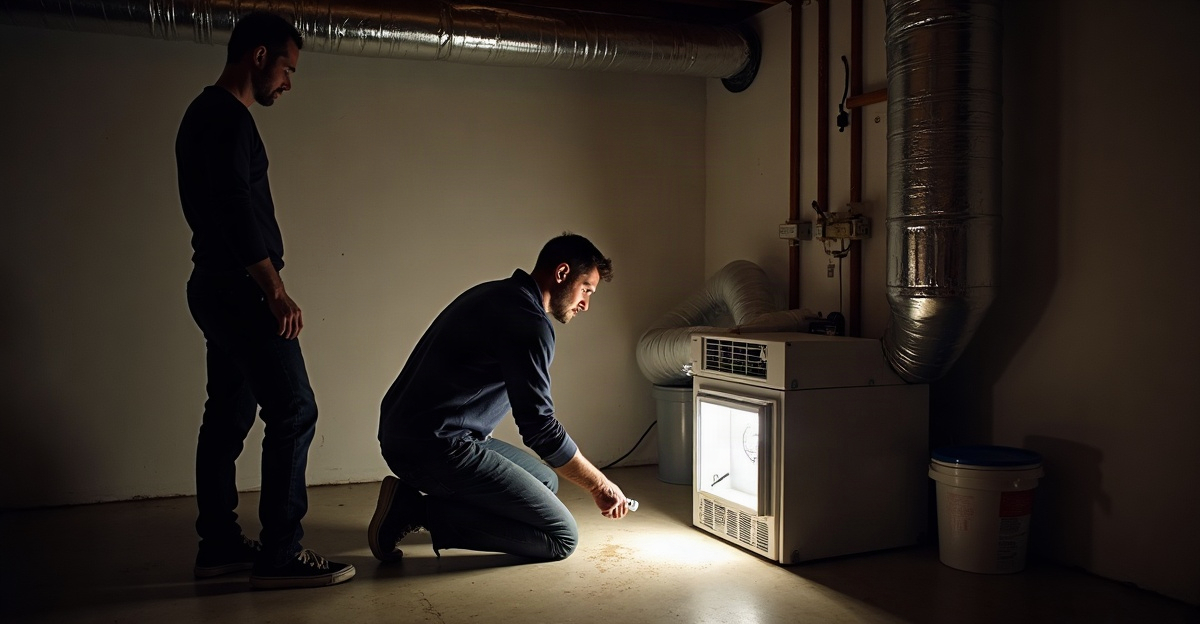
A musty HVAC smell often points to trapped moisture, poor drainage, dirty filters, damp ducts, or odors from nearby areas. We recommend replacing dirty filters and checking for visible water. Contact an HVAC professional if the smell persists, returns, spreads, or appears with leaks, weak airflow, or lower system performance.
Key Takeaways
- A musty HVAC odor doesn’t confirm mold. The source may include the air handler, ducts, condensate drain, or a damp basement, crawlspace, attic, or utility area.
- Clogged condensate drains, standing water, wet insulation, and dirty or poorly fitted filters often cause musty airflow.
- Track when the odor appears. Note whether it occurs during AC startup, heating, after rain, or while the system is off. These details help identify the source.
- Schedule an inspection for recurring odors, visible water or staining, drain clogs, mold-like growth, high humidity, or changes in comfort and airflow.
- Treat gas, burning, electrical, chemical, or exhaust-like odors as urgent safety issues. Don’t treat them as routine musty-smell concerns.
What a Musty HVAC Smell Usually Means—and When It Needs Attention
If an HVAC system smells musty, moisture or buildup is often involved. However, the cause should be identified rather than guessed. A musty smell can be associated with moisture, mold, or mildew, but a professional inspection may be needed to locate the true source.
An odor alone cannot confirm mold, and the HVAC equipment may not be the source. A basement, crawlspace, attic, utility room, drain, or hidden water leak can send odors into the return air and distribute them through the system.
Many causes of musty HVAC odors can be corrected without replacing the equipment. Maintenance, cleaning, condensate drainage repair, duct repairs, and moisture control often solve the problem. Persistent moisture deserves prompt attention, especially when household members, tenants, or employees have allergies, asthma, or respiratory sensitivities.
In Methuen, Massachusetts, the Merrimack Valley, North Shore, and Southern New Hampshire, humid summers, damp basements, long heating seasons, and seasonal startup periods can all contribute to indoor odors. We can inspect the system, explain what we find clearly, and recommend practical repairs with transparent pricing.
Common Reasons an HVAC System Smells Musty
Moisture near indoor HVAC components is a common cause of musty airflow. During cooling, the evaporator coil removes humidity from the air. That moisture must drain correctly. If it remains in the system or around nearby materials, odors can develop and spread through the vents.
Common sources include moisture on the evaporator coil, a clogged condensate drain or drain trap, water in the drain pan, and standing water near the air handler. A dirty air filter, or a filter that does not fit correctly, can restrict airflow and contribute to stale, musty air. Wet insulation near equipment or ducts may also retain odors.
Mold or mildew in ductwork, the air handler, or the blower compartment can lead to an HVAC musty-smell complaint. Damaged duct connections can also pull damp air or odors from an attic, basement, crawlspace, or utility area into the system.
It helps to note whether the odor appears only while the HVAC system runs or remains present while it is off. An odor that occurs only during operation may point to airflow, drainage, or indoor equipment components. A smell that remains when the system is off may be coming from a nearby moisture source instead.
Recurring drain clogs, wet insulation, visible staining, or water around the equipment can point to an ongoing issue. These signs call for a professional diagnosis rather than repeated filter changes alone.
Why the Smell May Happen When the AC or Heat Turns On
Musty Smells During Cooling
Many homeowners ask, “Why does my HVAC smell musty when the AC turns on?” Cooling creates condensation at the evaporator coil. Normally, the system directs that water through the condensate drainage line and away from the equipment. A blocked drain, trap, or HVAC drain pan can allow water to collect and produce a musty odor.
Dirty filters, wet insulation, standing water, and damp indoor components can make the smell stronger. The odor may be most noticeable at startup because the system pushes accumulated air through the ducts after sitting idle. Regular AC maintenance visits can help identify drainage and airflow concerns before they become recurring odor problems.
Musty Smells During Heating
If an HVAC system smells musty when the heat is on, the cause may differ from an AC-related odor. Seasonal heating startup can move dust and damp air through ducts and indoor components. A heat pump, air-handler issue, or damp ductwork can also contribute.
An odor that appears after rain or during humid weather may indicate moisture near the equipment rather than a direct system failure. Basements, crawlspaces, attics, and water-damaged areas deserve inspection if the smell changes with weather conditions. A sudden loss of heating or cooling along with an odor needs faster attention; review sudden HVAC failure causes and arrange service.
What You Can Safely Check Before Scheduling Service
Homeowners, landlords, property managers, and small business owners can take a few safe first steps. Start by replacing a visibly dirty filter with the correct size and type. Check for obvious water near the indoor unit, HVAC drain pan, and nearby floor. Keep supply vents and return vents open and clear of furniture, boxes, or other obstructions.
Also note the pattern of the musty smell from the vents. Record whether it occurs at startup, only with AC, only with heat, after rain, or all the time. Check nearby basements, crawlspaces, utility rooms, drains, attics, and known water-damaged areas for obvious moisture.
If replacing the HVAC filter eliminates the odor, monitor the system. If the smell returns, schedule HVAC maintenance or an inspection. A returning odor can signal a drainage, duct, airflow, or moisture issue that needs correction.
Leave internal equipment work to a trained technician. Do not remove access panels, clean coils with chemicals, pour unapproved cleaners into drains, or attempt electrical, refrigerant, or internal repairs. These steps can damage equipment, create safety risks, and hide the actual source of the problem.
When to Call an HVAC Professional—and When to Act Urgently
Schedule an HVAC inspection if the odor persists after a filter replacement, returns repeatedly, or worsens over time. We also recommend service for visible water, active leaking, standing water, recurring condensate drain clogs, wet insulation, mold-like growth, or significant staining near equipment or ducts.
Weak airflow, uneven room temperatures, unusually high humidity, frequent cycling, strange noises, freezing, or declining performance also warrant a professional visit. If the smell spreads through several rooms or creates concerns for residents, tenants, employees, or customers with respiratory sensitivities, do not wait for routine seasonal service.
A musty smell is different from a gas, burning, electrical, chemical, or exhaust-like odor. If you smell gas, leave the area, avoid switches or flames, contact the gas utility or emergency services as appropriate, and seek qualified help. Do not treat a gas smell, burning electrical smell, chemical odor, or exhaust-like odor as a routine musty-smell issue.
For active leaks, serious HVAC airflow problems, or a system that stops operating, we offer responsive emergency HVAC service. We will communicate honestly about what needs immediate action, what can wait, and what each repair costs before work begins. For help deciding how quickly a concern needs service, see urgent HVAC repair signs.
What a Technician Can Inspect, Repair, and Rule Out
An HVAC technician starts by locating the source rather than assuming mold or recommending replacement. We inspect the air handler, evaporator coil, condensate drain and trap, drain pan, blower compartment, filter fit, and airflow. We also check duct connections, ductwork condition, insulation around equipment and ducts, humidity levels, and possible non-HVAC moisture sources.
After the inspection, HVAC repair may involve cleaning, drainage repair, maintenance, ductwork repair, moisture control, or correction of an equipment problem. Equipment replacement should only enter the discussion if we find severe damage, repeated reliability concerns, advanced equipment age, or repair costs that no longer make financial sense.
Musty HVAC Smell Questions
Why does my HVAC smell musty when the AC turns on?
Condensation at the evaporator coil, poor condensate drainage, a wet drain pan, or damp components can release odors as cooling starts.
Why does my HVAC smell musty when the heat is on?
Seasonal heating startup can circulate dust and damp air. Damp ductwork, air-handler concerns, or heat pump operation may also play a role.
Is a musty HVAC smell dangerous?
It is not automatically an emergency, but persistent moisture and suspected mold or mildew deserve timely inspection. Gas, burning, electrical, chemical, and exhaust-like smells require urgent action.
Can a dirty air filter cause a musty smell?
Yes. A dirty air filter can contribute to stale airflow, although it may not be the only cause.
Can a clogged condensate drain cause a musty smell?
Yes. A clogged condensate drain can leave standing water near the indoor equipment and create odors.
Should I turn off the HVAC system if it smells musty?
If there is active leaking, extensive standing water, unusual noises, or declining operation, turn the system off and call for service. Otherwise, an inspection can determine the best next step.
Can mold grow in HVAC ducts?
Mold or mildew can develop where moisture and organic buildup are present. An inspection is needed to confirm the source rather than relying on odor alone.
How do HVAC technicians find the source of a musty smell?
We inspect drainage, airflow, coils, ducts, insulation, indoor components, and nearby moisture sources to rule out likely causes.
For persistent odors, visible moisture, drainage issues, or reduced performance, schedule an HVAC inspection in Methuen, MA, the Merrimack Valley, North Shore, and Southern New Hampshire. For gas, burning, electrical, chemical, or exhaust-like odors, leave the area if needed and contact emergency services, the gas utility, or qualified emergency help immediately.